15 Frosted Highlight Ideas: Cool, Luminous Hair Color for Every Style
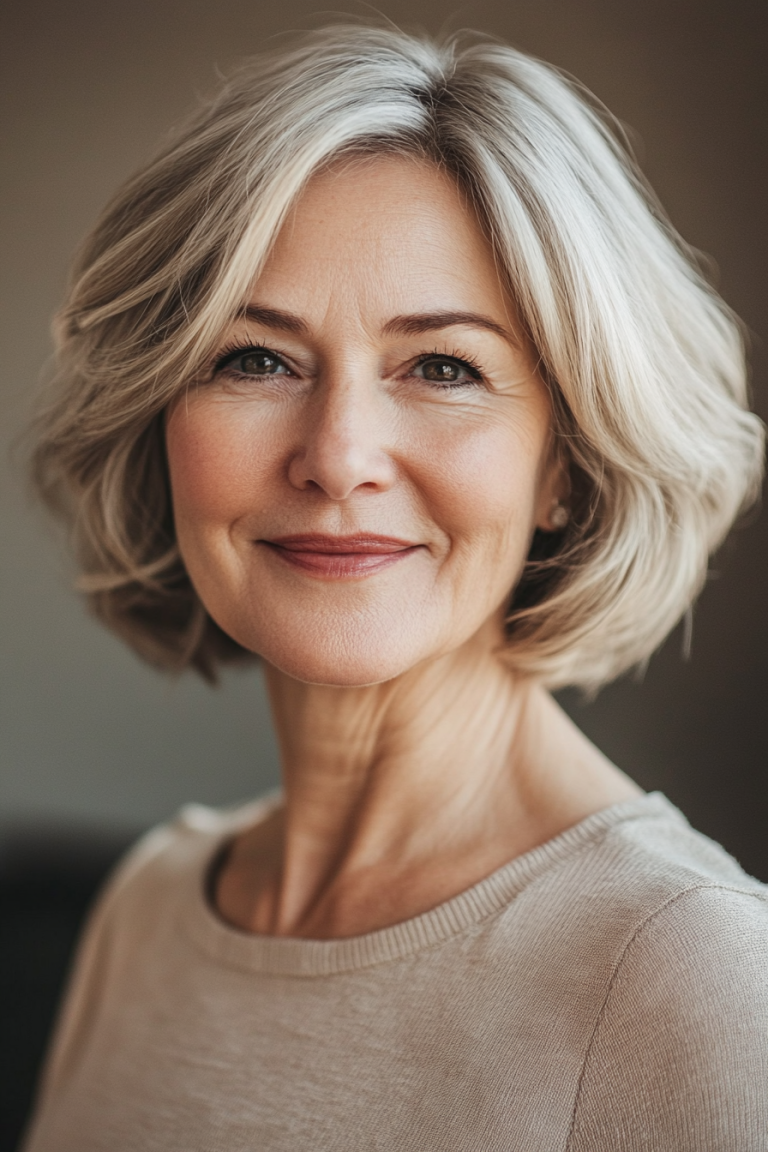
Frosted highlights are one of the most quietly distinctive techniques in the contemporary hair color repertoire — a method that creates a cool, luminous quality in the hair that reads as both naturally beautiful and deliberately sophisticated. Unlike warmer highlighting approaches that chase the sun-kissed, golden look of summer-lightened hair, frosted highlights deliberately court the opposite aesthetic: a cool, almost wintry luminosity that references ice, frost, and the specific quality of very pale, very clear light. The technique typically involves lightening sections to a very pale blonde, platinum, or cool ash tone, then toning them to achieve the specific cool quality that defines the frosted effect.
What makes frosted highlights distinct from other cool-toned highlighting approaches is a quality of restraint and precision — the frosted sections are placed with intention, creating a look that reads as refined and considered rather than all-over vivid. The coolness of the tones gives the finished result a crispness that warmer highlights lack, and this crispness is particularly effective on certain hair types and in certain styling contexts. These 15 frosted highlight ideas demonstrate the full range of the technique — from pure icy blonde to unexpected fashion-tinted interpretations.
15 Frosted Highlight Ideas
1. Icy Blonde with Ash Tones

Icy blonde with ash tones is the purest and most classic expression of the frosted highlight aesthetic — a lightened blonde that has been taken all the way to near-white before being toned with an ash formula to remove any warmth and achieve the specific cool, glassy quality that makes it “icy.” The ash toning step is what separates icy blonde from simply very light blonde: the ash counteracts any yellow or brassiness in the lightened hair, leaving a color that reads as genuinely cold, clear, and luminous rather than warm or golden. The result is highlights with a specific quality of brilliance — they catch light in a way that warm highlights do not, appearing almost reflective at certain angles.
Best for: Cool skin tones where the icy, ash-toned blonde is most flattering. Dark to medium bases where the contrast creates the most striking frosted effect. Those committed to the maintenance required to keep ash tones fresh.
Maintenance tip: Icy blonde with ash tones requires regular purple toning treatments to prevent warmth from returning as the toner fades — a purple shampoo used once or twice weekly significantly extends the life of the cool, icy quality.
2. Frosted Blonde Waves

Frosted blonde highlights on wavy hair create a particularly beautiful interaction between texture and color — the waves cause the frosted sections to alternate between catching light prominently (on the peaks of each wave, where the hair is most exposed) and receding slightly (in the valleys, where the darker base sections are more visible). The result reads as dimensional and movement-rich, the frosted color appearing and disappearing as the waves shift. The blonde quality of the frosting adds warmth to the otherwise cool technique, creating a frosted look that reads as luminous and romantic rather than starkly cold.
Best for: Naturally wavy hair where the texture showcases the frosted highlights most beautifully. Warm to neutral skin tones where a slightly warmer frosted blonde is most flattering. Medium to long hair.
Styling tip: Enhance waves with a curl-defining cream before diffusing to maximize the textural interaction with the frosted color — defined waves showcase the highlights at their most dimensional.
3. Icy Blonde Frost

Icy blonde frost represents a more concentrated, maximally cool version of the frosted highlight technique — the sections are taken to the lightest possible level and toned to achieve a color that reads as genuinely frost-like, almost white rather than simply very pale blonde. The frost quality implies something more extreme than the ash-blonde interpretation of the previous idea: this is the hair equivalent of morning frost on glass, a color so pale and cool that it reads as light itself rather than as a color. Applied in focused sections throughout the hair, icy blonde frost creates areas of near-luminescence against the base color, with the extreme lightness making even moderate contrast bases appear dramatically two-toned.
Best for: Those willing to commit to the most intensive lightening required for truly icy, frost-pale sections. Cool skin tones. Dark bases where the icy frost sections create the most striking contrast.
Color tip: True icy frost requires lifting the hair to a level 10 or higher before toning — at lower levels, the cool toner cannot neutralize enough warmth to achieve the genuinely frosty, pale quality this look requires.
4. Chestnut Brown Frosting

Chestnut brown frosting takes the frosted concept in an unexpected direction — rather than lightening sections to a pale blonde, this interpretation adds lighter chestnut or warm medium brown sections that create a frosted, dimensional effect within the brown color family. The “frosting” quality comes from the distribution of the lighter sections throughout the darker base, creating a look that reads as multi-dimensional and richly beautiful without venturing into the blonde territory of most frosted highlight techniques. Chestnut brown frosting is one of the most naturally beautiful and wearable versions of the approach — the result reads as healthy, dimensional hair rather than explicitly highlighted color.
Best for: Natural brunettes who want dimension without lightening to blonde. Warm skin tones where the chestnut warmth is most flattering. All hair lengths. Those who want a naturalistic, low-maintenance frosted look.
Color tip: Chestnut frosting benefits from a glossing treatment after application — the gloss adds luminosity that makes the dimensional color read as richly beautiful rather than simply lighter-in-places.
5. Frosted Ombre

Frosted ombre combines two distinct color techniques into a single coherent look — the gradual root-to-tip transition of the ombre approach with the cool, luminous toning of the frosted technique. The ombre provides the structural element (hair darkens at the roots and lightens progressively toward the ends), while the frosted toning provides the specific cool quality that elevates the lighter sections from simply “lighter” to genuinely frosted in appearance. The end result is an ombre where the lighter sections have the crisp, cool quality of frost rather than the warm, sun-kissed quality of a standard ombre — a more sophisticated and deliberately cool interpretation of the transitional color technique.
Best for: Those who love the ombre gradient but want a cooler, more sophisticated result than the standard warm interpretation. Cool to neutral skin tones. Long to medium hair where the ombre gradient has room to develop fully.
Styling tip: Frosted ombre reads most beautifully when styled smooth and straight — the clean lines of the gradient are most visible without the interruption of waves or curls, allowing the frosted quality of the ends to be fully appreciated.
6. Espresso and Cream Blend

The espresso and cream blend describes a high-contrast frosted highlight approach where very dark espresso-brown base sections are contrasted with very pale, cream-toned frosted highlights. The espresso and cream naming captures the specific quality of the contrast — the deep, rich darkness of espresso coffee against the pale, delicate neutrality of cream rather than pure white. The cream toning of the highlights gives them a slightly warmer quality than icy or ash-toned frosted sections, making the overall look read as sophisticated and elegant rather than stark or cold. The combination of the very dark base and the cream-frosted sections creates a beautifully dimensional result.
Best for: Dark brunette and near-black bases where the cream-frosted sections create maximum contrast. Warm to neutral skin tones where cream’s slight warmth is most flattering. Long to medium hair.
Color tip: The cream quality is achieved by toning lightened sections with a pale, slightly warm (beige or pearl) toner rather than a pure ash — the warmth prevents the highlights from reading as icy or cold and creates the specific cream quality.
7. Ash Brown Subtle Frost

The ash brown subtle frost approach is the most understated and professional-context-appropriate interpretation of the frosted highlight technique — cool-toned brown highlights applied subtly throughout the hair, creating a dimensional effect that reads as sophisticated and refined rather than bold or fashion-forward. The ash quality gives the highlights a cool, muted quality that’s distinct from both warm brown highlights and dramatically lighter blonde frosting; the brown base of the highlights means they don’t create strong contrast, while the ash toning means they read as cool and deliberate rather than simply lighter. The overall effect is of a hair color with unusual depth and cool dimensionality.
Best for: Professional contexts where dramatic color is inappropriate. Cool skin tones where ash tones are most flattering. Natural brunettes who want subtle, sophisticated enhancement. All hair lengths.
Maintenance note: Ash brown frosted highlights are among the lowest-maintenance of all frosted approaches — the subtle contrast means they grow out gracefully without harsh demarcation.
8. Mulberry Tinted Highlights

Mulberry tinted frosted highlights take the frosted technique into unexpected fashion color territory — mulberry is a deep, rich purple-red with berry and wine undertones that, when applied over lightened sections, creates highlights with a distinctive jewel-toned quality. The frosted element comes from the distribution and technique of application rather than the specific color: the mulberry tint is applied in the same way frosted highlights are placed, creating a cool, considered distribution of color throughout the hair rather than an all-over fashion statement. The result reads as a hair color with surprising depth and a distinctive cooler quality than straightforward warm-red fashion highlights.
Best for: Dark brunette and black bases where the mulberry tint creates a rich, jewel-toned effect. Cool skin tones where the cool-warm balance of mulberry is most flattering. Those who want a fashion color element that reads as sophisticated rather than vivid.
Color tip: Mulberry is best achieved by pre-lightening sections to a medium level (level 7-8) rather than all the way to blonde — at a medium level, the mulberry reads as richly jewel-toned; at a very light level, it can read as too vivid or pink.
9. Frosted Highlights on Light Ginger Hair

Light ginger hair provides an unusual and particularly beautiful base for frosted highlights — the specific warm, copper-gold quality of ginger hair creates an interesting warm-cool tension when cool, frosted sections are added. The frosted sections read differently against ginger than against brown or dark blonde bases: the contrast is not simply light-versus-dark but warm-versus-cool, with the frosted sections creating a cool counterpoint to the ginger’s warmth. The result reads as a hair color with both warmth and brightness, the two qualities existing in a beautiful tension that makes the overall look uniquely dimensional.
Best for: Natural light ginger and strawberry blonde hair. Warm skin tones where the ginger base is most naturally beautiful. Medium to long hair where both the ginger warmth and the frosted cool sections are fully visible.
Color tip: On ginger hair, frosted highlights should be toned to a very pale, cool blonde or even a pale silver rather than simply lifting — without toning, the lifted sections will read as yellow rather than the cool, frosted quality the technique requires.
10. Creamy Frosted Swirls

Creamy frosted swirls describe a placement technique as much as a color — the frosted highlights are applied in a swirling, organic pattern rather than in straight, foil-precise sections. This swirling placement creates a more organic, painterly quality than standard foil highlighting, with the frosted sections appearing to flow and curve through the hair in a way that references the natural movement of the hair itself. The creamy toning — a slightly warm, pale blonde rather than a stark icy or ash shade — gives the frosted sections a luxurious, rich quality that reads as genuinely beautiful rather than simply technically impressive.
Best for: Wavy and curly hair where the swirling placement follows the hair’s natural movement. Warm to neutral skin tones where the creamy tone is most flattering. Medium to long hair. Freehand or balayage application technique.
Application tip: Creamy frosted swirls are best applied freehand with a highlighting brush rather than in foils — the freehand technique naturally creates the organic, swirling distribution that defines this look.
11. Sleek Frosted Look

The sleek frosted look combines the cool highlight technique with smooth, precisely styled hair — the “sleek” styling element is essential to the overall aesthetic, as frosted highlights read most dramatically on hair that has been smoothed and straightened to reveal each highlighted section in its cleanest, most precise form. Waves or curls interrupt the clean lines of frosted highlights; sleek straight styling allows each frosted section to be fully visible from root to tip, creating the maximum graphic impact of the light-versus-dark or cool-versus-warm contrast. The combination of cool color and sleek styling creates a look of unusual sophistication and precision.
Best for: Those who regularly style their hair sleek and straight. Cool skin tones where the combination of cool color and sleek styling reads as most elegant. All hair lengths that can be styled smooth.
Styling tip: A flat iron run over sections immediately after applying a heat protectant, followed by a light smoothing serum, achieves the sleek quality that shows frosted highlights at their best — any frizz or texture works against the precision of the look.
12. Frosted Wavy Bob

A wavy bob with frosted highlights achieves a particular balance between the casual, relaxed quality of the bob’s wave texture and the deliberate, sophisticated quality of the frosted color. The bob’s length concentrates the frosted highlights in the most visible zone — around the face and at the ends where the cut’s shape is most apparent — while the waves add movement and softness to what might otherwise be a very graphic, precise color look. The frosted highlights on a wavy bob read as effortlessly chic rather than formally styled, suggesting a person whose hair looks beautiful without appearing to require significant effort.
Best for: Bob cuts styled with natural waves or loose curls. All skin tones depending on the specific frosted color chosen. Those who want a relaxed, effortless-looking result.
Styling tip: Scrunch a wave-enhancing mousse through towel-dried hair and allow to air dry, then break up any crunchy sections with a light oil — this creates the soft, natural-looking waves that showcase the frosted highlights most beautifully.
13. Frosted Aqua Undercut

The frosted aqua undercut is among the most dramatically creative interpretations in this collection — combining the structural boldness of an undercut (shaved or very short sections beneath longer hair) with an aqua-tinted frosted color in the longer sections above. Aqua is the specific blue-green at the intersection of the two families, with a vivid, water-like quality that’s both cool and vibrant. Applied as a frosted, distributed highlight rather than an all-over fashion color, the aqua reads with more complexity and dimension than a solid aqua color would achieve, with lighter and darker aqua variations throughout the distributed sections. The undercut structural element adds an additional layer of boldness to an already adventurous color choice.
Best for: Those with a maximally adventurous, fashion-forward aesthetic. Undercut and disconnected haircut structures. Cool skin tones where aqua’s blue quality is most flattering.
Color tip: Aqua frosting requires pre-lightening to a very pale level (9-10) to achieve the clear, vivid aqua quality — at lower levels, the aqua reads as a muddy teal rather than the crisp, water-like aqua this look requires.
14. Ruby Red Tinted Waves

Ruby red tinted frosted waves bring the richness of a jewel-toned red to the frosted highlight technique — ruby is distinct from brighter, more vivid reds in its specific depth and blue-red balance, referencing the precious stone’s particular combination of intensity and richness. Applied through wavy hair in the frosted distribution pattern, the ruby red creates a look of extraordinary warmth and depth, the red sections catching light richly as the waves move. The frosted placement technique means the ruby appears in distinct sections rather than all-over, creating a dimensional result that reads as more complex and considered than a solid red fashion color application.
Best for: Dark brunette and black bases where the ruby red creates vivid contrast. Warm to neutral skin tones where red’s warmth is most flattering. Naturally or styled wavy hair. Those who want a fashion color that reads as luxurious and jewel-toned.
Color tip: Ruby red is best maintained with a color-depositing red conditioner used every few washes — vivid reds fade significantly after each wash, and the depositing conditioner refreshes the tone without requiring a salon visit each time.
15. Blue-Tinted Frost

Blue-tinted frost closes the collection with one of the most unexpected and striking interpretations of the frosted highlight technique — a cool blonde or silver frost that has been tinted with the faintest wash of blue, creating highlights that read as cool to the point of being almost blue rather than simply pale or silver. The blue tint in frosted highlights has a specific quality of extraordinary coolness — it’s the color of early morning light, of ice that’s almost transparent, of the specific blue that very pale, cool hair can take on. This blue quality makes the frosted highlights appear genuinely luminous, as if the highlighted sections are lit from within with cool blue light.
Best for: Very cool skin tones where the blue tint is most flattering. Dark bases where the blue-tinted frost creates the most striking contrast. Those who want the most extreme expression of the cool, frosted aesthetic.
Color tip: A very diluted blue or violet toner applied after the initial lightening and toning creates the blue tint — it should be so subtle that it reads as “something cool” rather than obviously blue. An overly strong blue application reads as a fashion statement rather than a sophisticated frost.
Tips for Achieving Perfect Frosted Highlights
- Toning is everything: The frosted quality comes almost entirely from the toning step — lightening creates the base, but toning is what creates the specific cool, crisp quality that defines frosted highlights. Invest in quality toning and allow sufficient processing time.
- Placement matters: Frosted highlights are most effective when placed strategically — concentrated around the face for maximum impact, or distributed throughout the hair in a way that creates dimension rather than randomness.
- Maintain the tone: Cool tones fade faster than warm ones. Purple shampoo used regularly (1-2 times per week) is essential for maintaining the frosted quality between salon visits.
- Consider your base color: The lighter your base, the more subtle the frosted effect; the darker your base, the more dramatic. Match your expectations to your starting point.
Frequently Asked Questions
What is the difference between frosted highlights and regular highlights?
The primary difference is tonal — frosted highlights are specifically toned to a cool, pale quality (icy, ash, or silver-toned) that reads as “frosted,” while regular highlights can be warm (golden, honey, caramel) or cool depending on the desired result. The application technique may also differ: frosted highlights are often more precisely placed to create specific sections of cool color, whereas balayage highlights are freehand for a more blended result.
How long do frosted highlights last?
The structural lightening of frosted highlights is permanent — the lightened sections remain lightened as the hair grows. However, the cool toning that creates the “frosted” quality fades over 4–8 weeks depending on your washing frequency and water quality. Regular purple toning treatments maintain the frosted quality; without them, lightened sections gradually warm up to yellow or golden tones.
Are frosted highlights suitable for all hair types?
Frosted highlights work on all hair types, but the specific technique and product formulation should be adjusted for your hair’s porosity and condition. Very porous or previously chemically treated hair may absorb toners quickly and unevenly — a bond-building treatment used alongside the lightening process protects hair structure and ensures more even, predictable results.
Final Thoughts
Frosted highlights offer something distinct among hair color techniques — a cool, luminous quality that reads as both deliberately sophisticated and naturally beautiful, a combination that few other approaches achieve. Whether you choose the maximum coolness of icy blonde frost, the unexpected beauty of jewel-toned tinted variations, or the naturalistic subtlety of ash brown frosting, the frosted technique elevates hair color with a specific crispness and luminosity that warmer approaches simply cannot replicate.