24 Dirty Blonde Hair Color Ideas: Natural Sun-Kissed Looks for Effortless Style
Dirty blonde sits in a sweet spot that most hair colors can’t claim: light enough to look sun-kissed, deep enough to read as natural, and forgiving enough that the grow-out actually looks intentional. It’s the shade that works on almost every skin tone, pairs with almost every technique, and somehow manages to look both effortless and deliberate at the same time. Whether you’re coming from a darker base or toning down a brighter blonde, dirty blonde gives you something most hair colors don’t — room to breathe.
These 24 ideas cover the full spectrum of what dirty blonde can do, from cool ashy tones to warm golden hues, from sleek bobs to soft waves. Each one is a different take on the same underlying principle: hair that looks like it grew that way, even when it didn’t.
24 Dirty Blonde Hair Color Ideas
1. Dirty Blonde Balayage
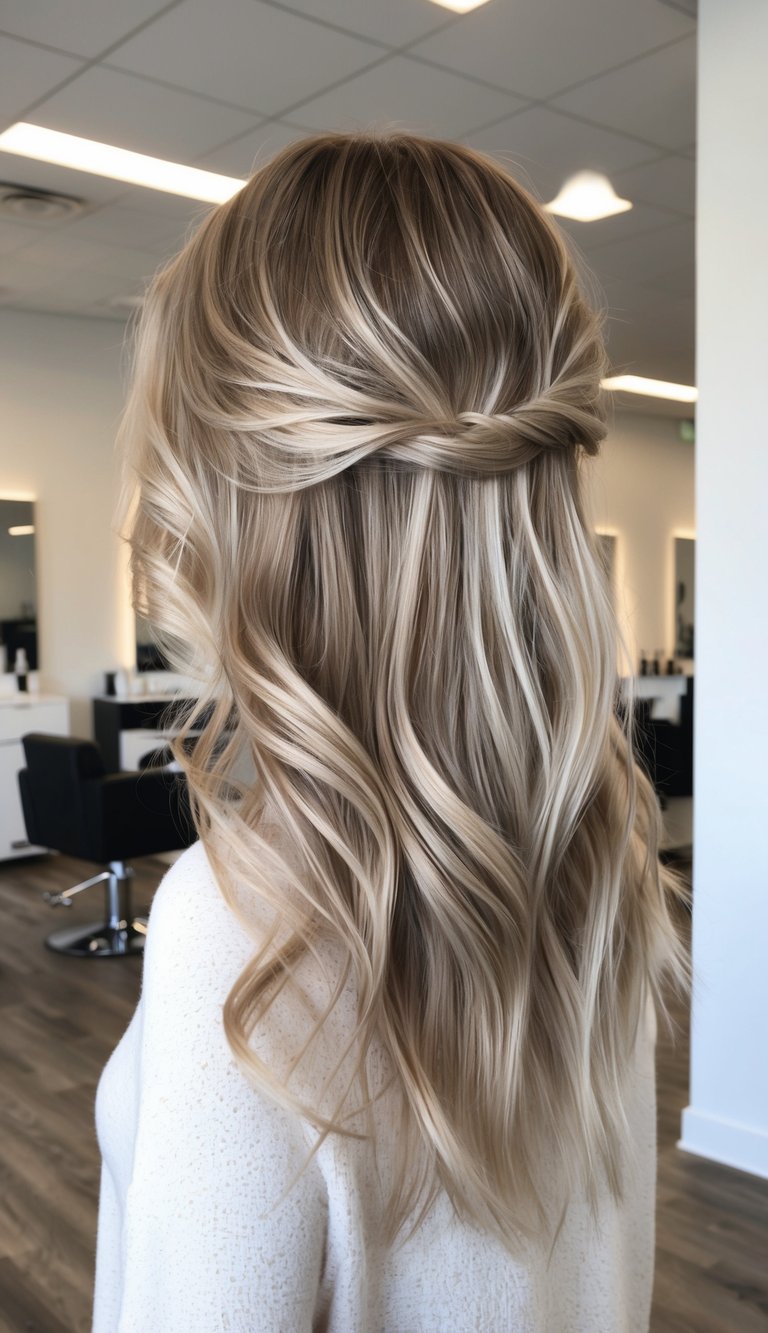
Balayage is the technique that made dirty blonde a modern staple rather than a transitional color. Hand-painted lighter pieces through the mid-lengths and ends create a gradient that looks completely natural — as if the sun did the work over a long summer. The key is keeping the roots slightly darker and letting the color build gradually, so there’s never a visible line where the color begins.
Best for: Medium to long hair. Works on warm and neutral skin tones especially well.
Styling tip: Loose waves show off the dimension of balayage better than straight styles — the movement catches light in different places and the color looks richer.
2. Platinum Blonde Highlights on Dirty Blonde

Scattering bright platinum pieces through a dirty blonde base creates a high-contrast look that still reads as natural because the base does all the grounding work. The platinum lifts the overall color without washing it out, and the darker base prevents the highlights from looking too bleached or processed. It’s a bolder take on dirty blonde that still has depth.
Best for: Those who want more visible brightness without going fully platinum.
Maintenance: Toning every 6–8 weeks keeps the platinum pieces cool and prevents brassiness.
3. Ash Dirty Blonde

Ash dirty blonde leans into the cool, muted side of the spectrum — less golden, more smoky. The result is a sophisticated color that looks particularly striking on fair and cool-toned skin. Ash tones also tend to photograph beautifully in natural light, picking up a silvery quality that adds dimension without extra lightening.
Best for: Cool and neutral skin tones. Also excellent for naturally grey-blending hair.
Styling tip: Glossy, straight styles show off ash tones best. A smoothing serum adds to the polished finish.
4. Cool Beige Dirty Blonde

Beige dirty blonde sits between ash and warm blonde, picking up neither too much gold nor too much grey. It’s a color that’s hard to pin down exactly — and that’s precisely the appeal. It reads as natural in a way that single-tone colors simply don’t, because real hair is never just one shade.
Best for: Virtually every skin tone. One of the most universally flattering dirty blonde variations.
Maintenance: A cool-toned gloss every couple of months keeps the beige from drifting warm.
5. Bright Blonde with Root Depth

This approach takes a brighter, more luminous blonde at the ends and grounds it with a noticeably darker root — creating depth and contrast that makes the overall color look intentional. The root depth isn’t regrowth; it’s a deliberate shadow that gives the bright ends a place to shine against. The result is a more editorial take on dirty blonde.
Best for: Those who love bright blonde but want more grounding and less maintenance.
Styling tip: Works beautifully on wavy or textured hair where the color moves with the style.
6. Golden-Toned Dirty Blonde

For those who love warmth, golden dirty blonde brings in honey and amber tones that glow in sunlight. This is the version of dirty blonde that looks sun-drenched year-round, even without actual sun exposure. The golden tones complement warm and olive skin tones particularly well, adding brightness to the face without looking artificial.
Best for: Warm and olive skin tones.
Styling tip: Beach waves with a light texture spray let the golden tones catch light from multiple angles.
7. Cool Blonde Choppy Bob
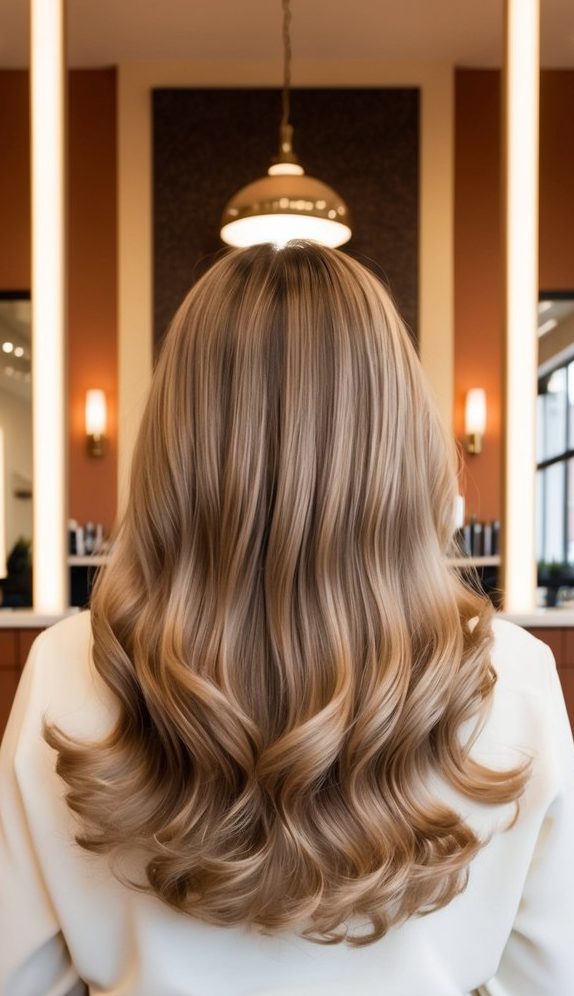
A choppy, piece-y bob in a cool dirty blonde shade is one of the most current combinations available. The cut and the color work together — the textured ends create movement that shows off the variation in the dirty blonde tone, and the cool shade prevents the overall look from reading as too warm or old-fashioned.
Best for: Straight to slightly wavy hair. Strong jaw and oval face shapes.
Maintenance: Trims every 6–8 weeks keep the choppy texture sharp.
8. Buttery Blonde Soft Waves

Buttery blonde is warm but soft — not as intense as golden, more like the color of natural light hitting light brown hair at the right moment. Paired with loose, undone waves, it creates an effortlessly beautiful look that’s hard to achieve with brighter, more saturated blondes. The muted quality of the color makes the whole style feel low-key and genuinely wearable.
Best for: Medium to long hair. Warm skin tones.
Styling tip: Curl loosely with a large-barrel iron and then finger-comb to break up the waves.
9. Dirty Bronde

Bronde — the hybrid of brown and blonde — becomes something more interesting when applied to a dirty blonde base. The darker brown pieces add depth and richness, while the blonde elements keep things light and sun-kissed. It’s a color that genuinely looks like it could be natural, especially on those with medium brown base hair.
Best for: Natural brunettes looking to go lighter without a dramatic change.
Maintenance: Very low maintenance — the brown pieces allow regrowth to blend naturally.
10. Bright Brass-Free Dirty Blonde
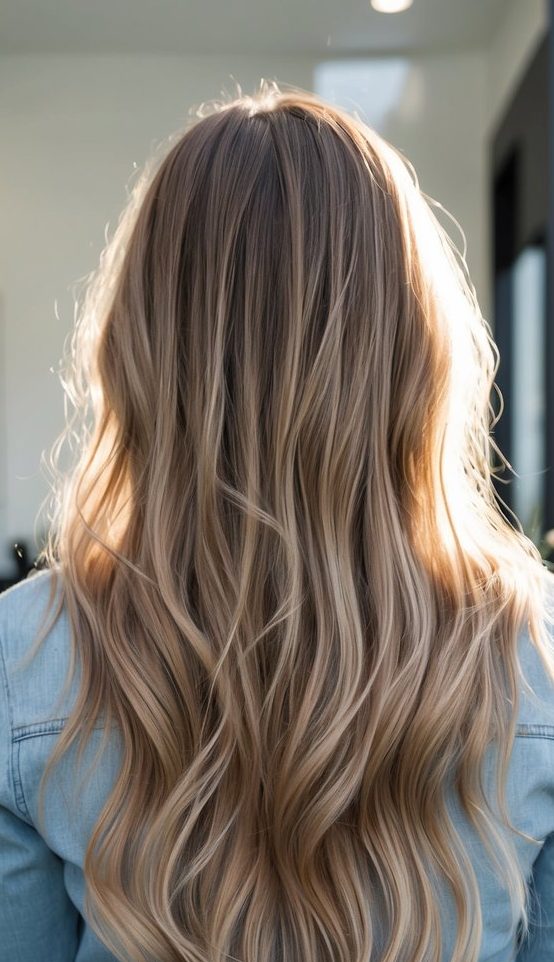
Achieving a bright dirty blonde without unwanted brassiness requires careful toning. This look keeps the color luminous and clean without drifting into yellow or orange territory — the result is a bright but polished blonde that still has enough variation to look natural. Purple shampoo and regular toning appointments are the maintenance routine here.
Best for: Fair and cool-toned skin.
Styling tip: Sleek, straight styles or soft blowouts show off the clean, bright quality of the color.
11. Wheat-Toned Dirty Blonde

Wheat blonde is a muted, slightly golden-beige tone that sits closer to natural dirty blonde than almost any other variation. It’s the color you’d describe as “naturally blonde” on someone who’s been outside — neither obviously highlighted nor obviously colored. The subtlety is the whole point.
Best for: Those who want a very natural result with minimal visible upkeep.
Maintenance: One of the lowest-maintenance versions of dirty blonde. Grows out beautifully.
12. Chic Dark Roots Blend

Rather than fighting regrowth, this technique embraces it — the darker roots are intentional, creating a shadow that adds depth to the lighter mid-lengths and ends. The transition is softened with a smudge or shadow root technique so there’s no harsh line. It’s a modern take on dirty blonde that’s also genuinely practical.
Best for: Anyone who wants less frequent salon visits.
Styling tip: This look is especially flattering with center-parted styles that show off the root depth.
13. Lively Sandy Tones

Sandy dirty blonde has an almost beachy quality — warm but muted, with a texture and variation that genuinely looks like sun-bleached hair. The sandy tone hits a perfect middle ground: it’s lighter than bronde but has enough warmth to avoid looking ashy. It reads as effortless because it essentially mimics what the sun does naturally to medium blonde hair.
Best for: Medium skin tones. Particularly flattering with textured, wavy hair.
Styling tip: Salt spray or a texturizing mist amplifies the beachy quality of sandy tones.
14. Rich Caramel Accents

Adding caramel lowlights or accent pieces to a dirty blonde base brings in warmth and richness without darkening the overall color. The caramel pieces sit within the blonde, creating depth and dimension that catches light in a warm, glowing way. This is a particularly flattering approach for autumn and winter when warmer tones feel more appropriate.
Best for: Warm and golden skin tones. Medium to long hair.
Styling tip: Caramel tones are especially beautiful on natural waves or curls where the color moves through the texture.
15. Mocha Undertone Dirty Blonde

Mocha-toned dirty blonde is a deeper, richer interpretation — lighter pieces sitting over a warmer, darker base with almost chocolate undertones. The result is a multi-dimensional color that reads as very natural on those with naturally dark blonde or light brown hair. The mocha base prevents the color from looking flat and gives the lighter pieces something to contrast against.
Best for: Those transitioning from darker brown hair. Medium to dark skin tones.
Maintenance: Grows out gracefully with the darker base blending into natural regrowth.
16. Dusty Golden Waves

Dusty golden takes the warmth of golden dirty blonde and mutes it slightly — the result is a color that’s golden but not bright, warm but not brassy. It has an almost vintage quality that works beautifully with soft, romantic waves. The dusty quality gives it sophistication that pure golden blonde doesn’t always have.
Best for: Warm to neutral skin tones. Medium to long hair with natural wave.
Styling tip: Large barrel curls left to fall and loosen overnight create the perfect dusty golden wave look.
17. Pearly Ash Glow

Pearly ash dirty blonde has a luminous, almost iridescent quality — cool-toned but with a glow that prevents it from looking dull or flat. The pearl effect comes from careful toning that adds a very slight violet or silver tone to the ashy blonde, creating a color that looks different in different lights. It’s one of the more striking interpretations of dirty blonde.
Best for: Fair and very fair skin tones. Those with naturally cool-toned hair.
Maintenance: Regular purple shampoo use maintains the pearly tone between appointments.
18. Golden Root Shadow

A root shadow in a warm golden tone — rather than the usual dark or ashy root — creates an unusual and beautiful effect. The golden root blends into the lighter ends in a way that feels completely sun-natural, as if the color deepens at the root the way naturally blonde hair often does. It’s a warmer alternative to the standard dark root shadow technique.
Best for: Warm skin tones. Those who want a softer, more natural-looking root.
Styling tip: This works beautifully with a center part that shows off the warm root depth.
19. Neutral Half-Up Waves

Neutral dirty blonde sits exactly between warm and cool — no obvious golden tones, no obvious ash — creating a color that is genuinely difficult to describe, which is what makes it look so natural. Worn in a half-up style with soft waves, the color shifts subtly from root to end in a way that looks like real hair rather than a color service.
Best for: Every skin tone. The most universally flattering of all dirty blonde variations.
Styling tip: The half-up style shows off both the root variation and the lighter ends simultaneously.
20. Ash Beige Balayage

Ash beige balayage on a dirty blonde base creates a cool, sophisticated color story that sits entirely in the neutral-to-cool range. The balayage technique keeps the lighter pieces looking hand-painted and natural, while the ash beige tone prevents any warmth from creeping in. It’s a controlled, polished look that doesn’t sacrifice the effortless quality of dirty blonde.
Best for: Cool and neutral skin tones.
Maintenance: A violet gloss treatment every 8 weeks keeps the ash-beige cool and fresh.
21. Deep Golden Undertone
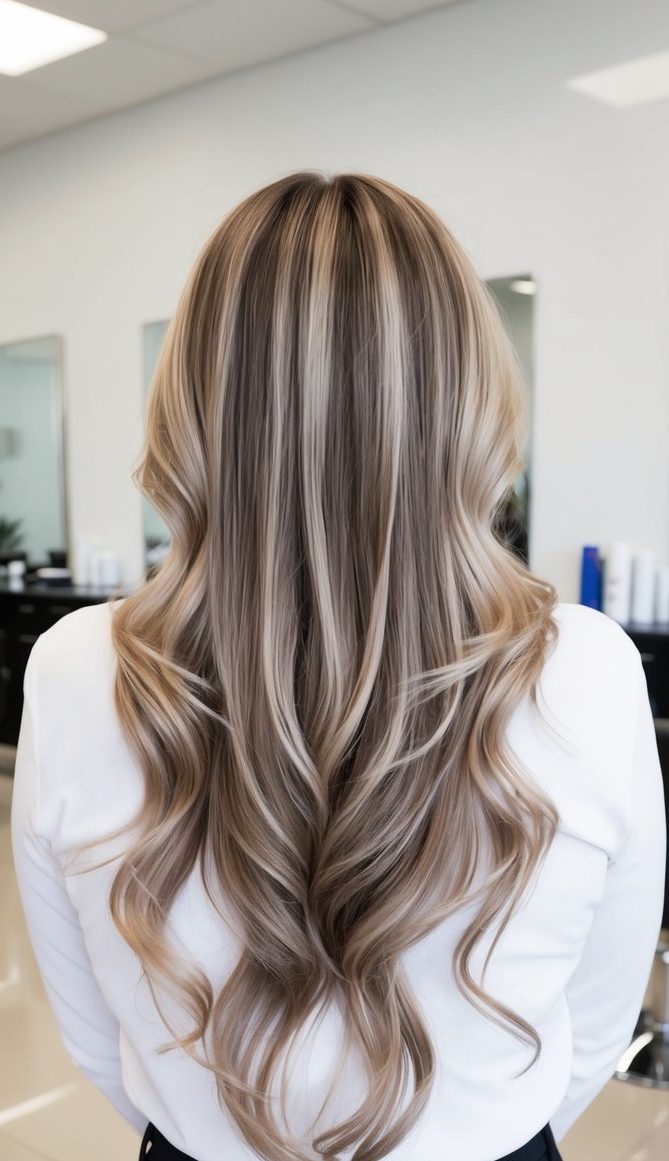
This interpretation emphasizes the depth rather than the brightness — the base is richer and more amber, with the lighter pieces providing contrast rather than defining the overall color. The deep golden undertone gives the hair a three-dimensional quality in direct light, shifting from dark amber to honey to light gold across the lengths.
Best for: Those who want warm tones without a fully warm result. Olive and warm skin tones.
Styling tip: Rich, deep tones like this are especially beautiful on natural waves or loose curls.
22. Subtle Honey Streaks

Rather than full balayage or highlights, subtle honey streaks are finer, more delicate pieces of warm golden color scattered through a dirty blonde base. The effect is dimension without drama — you notice the variation when the light catches it, but the overall impression is of natural, healthy hair. This is one of the closest approximations of naturally sun-lightened hair.
Best for: Those who want a very subtle, natural change.
Maintenance: Very low maintenance. Grows out beautifully without visible regrowth lines.
23. Glowing Soft Blends

Glowing dirty blonde is achieved through careful toning that adds a luminous quality without obvious highlights — the color seems to glow from within rather than reflecting light off highlights. It’s achieved through a combination of very fine, closely spaced lightened pieces and a warm toning treatment that gives the whole color a lit-up quality.
Best for: All hair lengths and textures.
Styling tip: A glossing treatment every 6–8 weeks maintains the luminous quality of the color between balayage appointments.
24. Ethereal Dirty Blonde Shine

The most ethereal interpretation of dirty blonde leans into its lighter, almost silver-blonde possibilities — not quite ash, not quite platinum, but somewhere between that has an almost otherworldly quality in the right light. Paired with glassy shine and very smooth styling, it creates a look that’s simultaneously natural and striking. The color feels effortless while clearly being the result of skilled work.
Best for: Fair skin tones. Special occasions or those who want a more distinctive look.
Maintenance: Purple shampoo and a monthly gloss appointment maintain the cool, luminous tone.
How to Choose Your Dirty Blonde Shade
- Cool skin tones: Ash, beige, pearly, and platinum-influenced dirty blondes. Avoid heavy golden or caramel tones which can clash with pink undertones.
- Warm skin tones: Golden, honey, caramel, and buttery dirty blondes. These complement the warmth in the skin rather than fighting it.
- Neutral skin tones: Any variation works — neutral dirty blonde, sandy, and wheat tones are particularly flattering because they don’t pull warm or cool.
- Olive skin tones: Golden and mocha-undertoned dirty blondes complement olive complexions beautifully. Ash tones can sometimes look flat against olive skin.
- Short hair: Choppy bobs in cool dirty blonde shades, or a textured pixie with subtle honey streaks.
- Long hair: Balayage, bronde, and multi-tonal techniques show off best on longer lengths where the color has room to transition.
Frequently Asked Questions
What is dirty blonde hair color exactly?
Dirty blonde refers to a shade range that sits between light brown and blonde — darker than strawberry blonde or platinum, lighter than medium brown. It includes natural-looking variations with golden, ashy, or neutral undertones, and the characteristic that defines it is dimension: dirty blonde is never a single flat tone but rather a blend of shades that gives hair a natural, sun-kissed appearance.
Is dirty blonde a natural hair color?
Yes — dirty blonde is actually one of the most common natural hair colors, particularly for those whose hair has darkened slightly from childhood blonde. Many people with naturally dirty blonde hair don’t realize it because they assume their hair is either “too dark to be blonde” or “too light to be brunette.” As a color service, dirty blonde techniques are specifically designed to mimic and enhance what naturally dirty blonde hair looks like.
How often does dirty blonde need to be touched up?
It depends on the technique. Balayage and shadow root dirty blonde styles can go 12–16 weeks between appointments because the grow-out is intentional. Traditional highlights on a dirty blonde base typically need refreshing every 8–10 weeks. The lower-maintenance options — subtle honey streaks, wheat-toned color, dirty bronde — can sometimes go even longer because the color is designed to blend with natural regrowth.
Can dirty blonde work on dark hair?
Yes, but it requires lightening. Darker hair needs to be lifted before dirty blonde tones can be applied, which typically means one or more bleaching sessions depending on the starting point. The result is worth it — dirty blonde on a previously dark base often has more depth and dimension than on naturally lighter hair, because the lifted pieces contrast beautifully with the darker underlying tones.
Final Thoughts
Dirty blonde is one of those rare color categories that manages to be both low-maintenance and genuinely beautiful — not despite its naturalness but because of it. The 24 ideas here range from the barely-there (wheat tones, subtle honey streaks) to the more striking (pearly ash glow, platinum highlights), but they all share the same quality: they look like hair, not a color service.
The best dirty blonde for you depends on your skin tone, your natural base, and how much maintenance you want to commit to. Talk to your colorist about which specific technique fits your hair’s current condition and your lifestyle — the right dirty blonde should feel effortless to wear, not effortful to maintain.