25 Layered Haircut Ideas: Fresh Styles to Revamp Your Look
Layered haircuts are among the most requested styles in salons worldwide, and for good reason — layers are one of the most effective and versatile cutting techniques available, capable of adding volume to fine hair, removing bulk from thick hair, creating movement in straight hair, defining the shape of wavy and curly hair, and transforming the overall silhouette of any length from a cropped pixie bob to long cascading lengths. The layer is not a style in itself but a structural approach that can serve nearly any aesthetic goal: from the polished precision of a classic layered bob to the disheveled, rock-inspired energy of a shaggy pixie bob with razor-cut ends, layers make the specific vision possible.
These 25 layered haircut ideas span every length, texture, and style aesthetic — a complete reference for anyone considering layers for the first time or looking for a fresh direction within the layered cutting tradition.
25 Layered Haircut Ideas
1. Swoopy Layers with Side Part
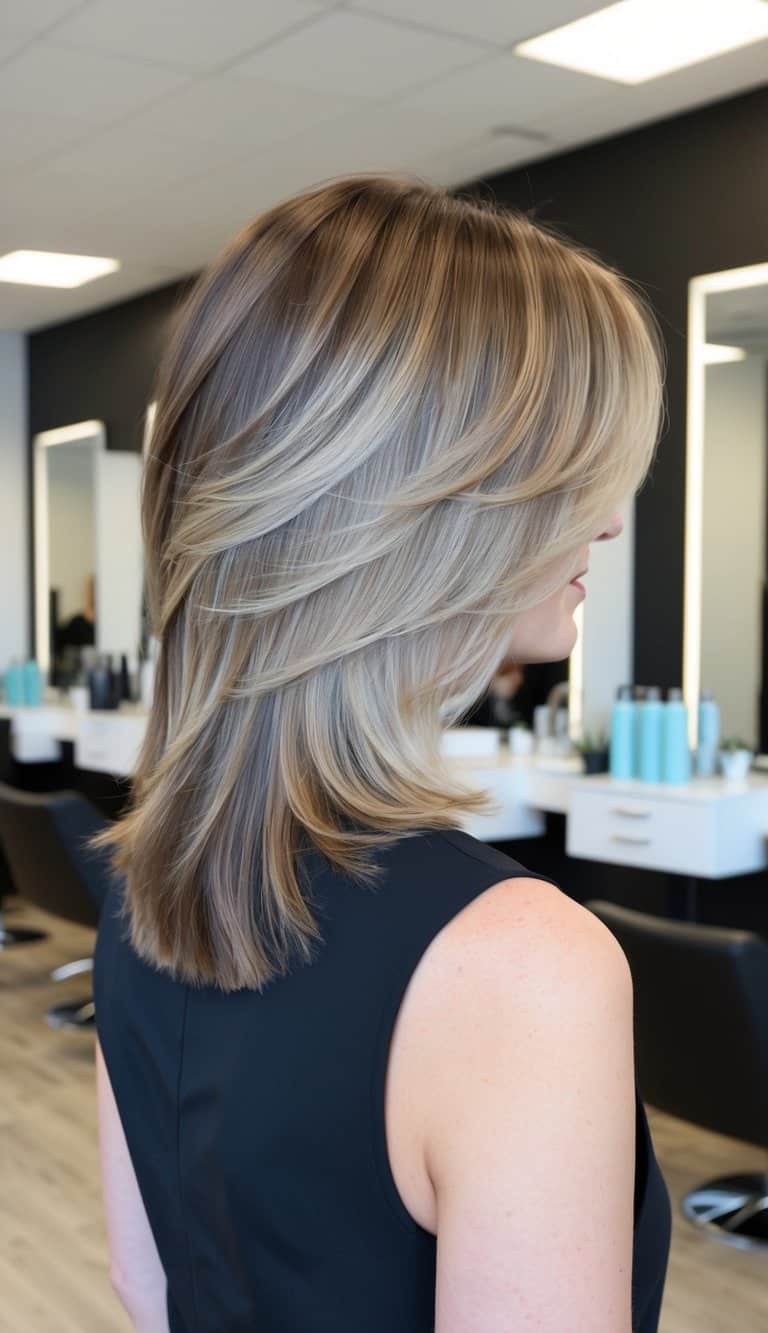
Swoopy layers with a side part create one of the most classically glamorous layered looks — the layers are cut to fall in long, sweeping curves from the side part, each layer following the arc of the head and creating a waterfall of movement that cascades elegantly from one side. The swoopy quality comes from the specific cutting angle that encourages the layers to curve and sweep rather than fall straight, creating a fluid, motion-filled silhouette that looks beautiful whether the hair is worn straight, blown out, or in loose waves. The side part amplifies the swoopy effect by directing all the hair’s movement to one side.
Best for: Medium to long hair. Oval and heart face shapes where the side-swept movement is most flattering. Fine to medium hair that benefits from the volume created by strategic layering.
Styling tip: Blow-dry using a round brush, wrapping each section around the brush and directing it downward and toward the part side — the heat sets the swoopy direction into the layer.
2. Layered Bob with Wispy Ends
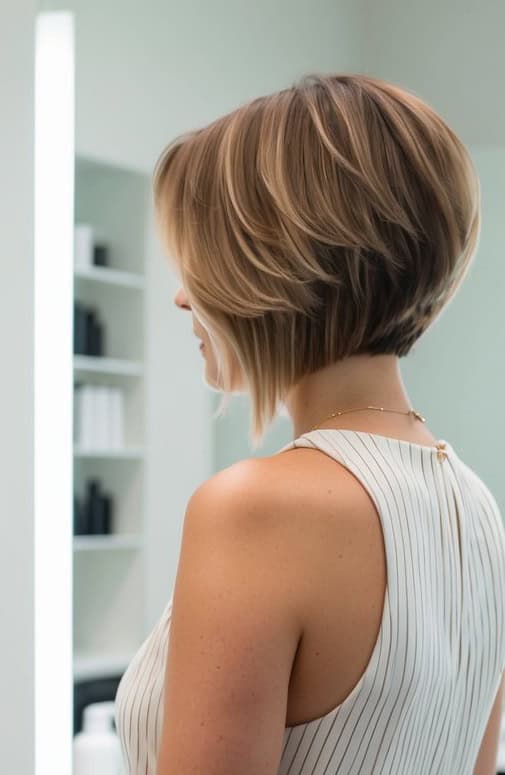
A layered bob with wispy ends softens the conventional bob’s blunt perimeter by introducing point-cut or razor-cut texture specifically at the ends of each layer — the result is a bob that has the shape and structure of the classic cut but with feathery, delicate ends that move naturally and softly rather than presenting a sharp, defined line. The wispy ends make the layered bob particularly wearable for those who find blunt bob perimeters too severe or architectural — the softness at the ends creates a more organic, relaxed quality without sacrificing the overall bob shape.
Best for: Fine to medium hair. Most face shapes, with the bob length and layer placement adjusted accordingly. Those who want a polished cut that reads as soft and natural rather than structured and precise.
Styling tip: A small amount of lightweight serum worked through the ends before air drying enhances the natural wispy quality — heat styling tends to make wispy ends lie flatter and more controlled, which reduces the organic quality of this look.
3. Layered Bob for Thick Hair
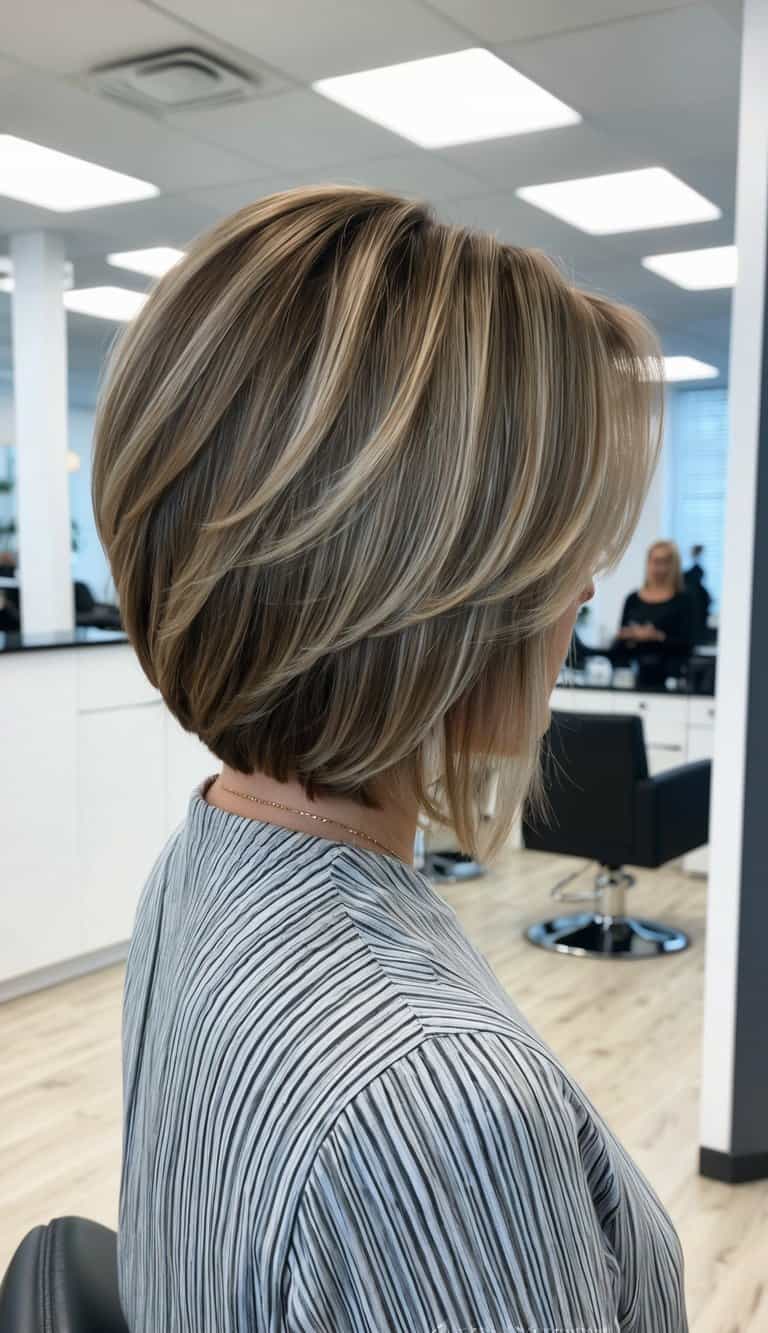
The layered bob for thick hair addresses one of the most common challenges in haircut planning for those with dense, heavy hair — how to achieve a bob shape without the resulting silhouette becoming a triangle or pyramid, wider at the bottom than at the top. Strategic internal layering removes bulk from the mid-lengths and interior of the cut, allowing the outer perimeter to maintain the clean bob line while eliminating the heaviness and puffiness that uncut thick hair accumulates at the ends. The result is a bob that looks clean, controlled, and light rather than heavy and shapeless.
Best for: Thick, dense hair of any texture. Most face shapes — the specific layer placement is adjusted to flatter individual proportions. Those who have avoided bobs specifically because thick hair made them look pyramid-shaped.
Styling tip: A smoothing balm through damp hair before blow-drying helps manage the thickness while the layers create the movement — blow-dry with a paddle brush for the most controlled, smooth result on very thick hair.
4. Classic Layered Bob
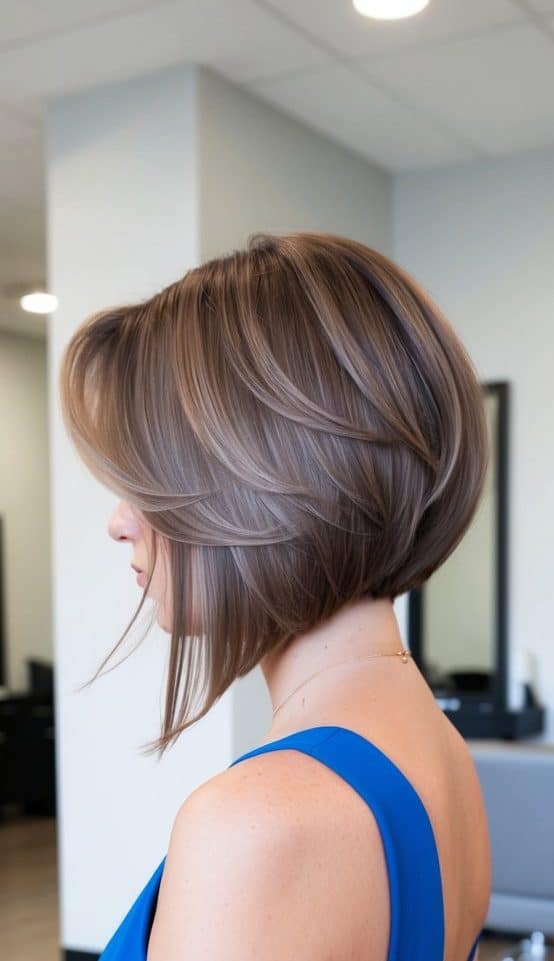
The classic layered bob is one of the most enduringly popular haircuts in the world — it combines the clean, defined shape of the bob with strategic layers throughout the interior that add movement, volume, and dimension without disrupting the perimeter’s clean line. The classic layered bob sits at chin to collarbone length, has layers that are longest at the perimeter and graduate shorter as they move into the interior, and creates a silhouette that’s full and rounded at the back while being clean and defined at the front. It’s universally flattering precisely because it adapts to every face shape and hair texture with minimal adjustment.
Best for: All hair textures and face shapes — the true “universal” haircut. Medium to heavy hair densities where the layers create movement without removing structural weight entirely.
Styling tip: A round brush blow-dry creates the most classic, polished version — the round brush lifts the roots and curls the ends under slightly, creating the rounded, C-shaped perimeter that defines the classic layered bob at its most traditional.
5. Textured Bob with Layers
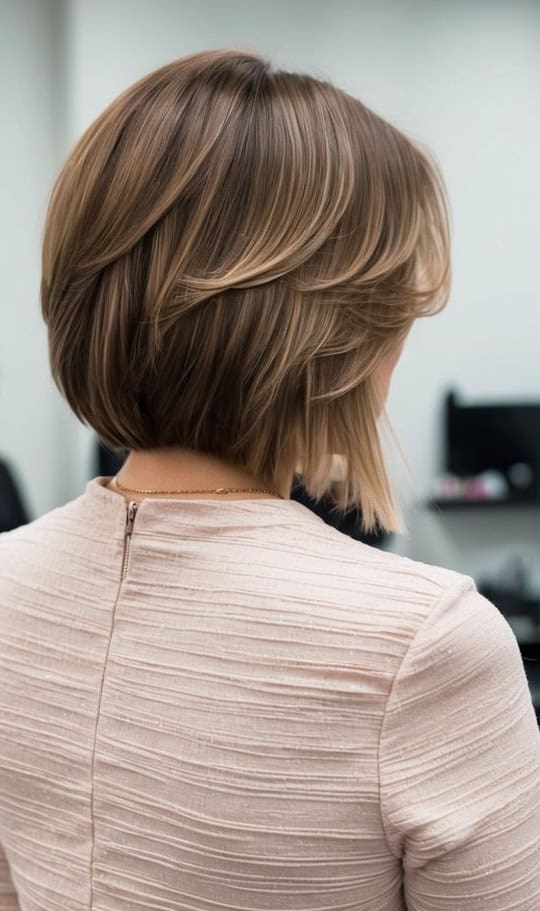
The textured bob with layers brings an intentionally modern, casually cool quality to the classic layered bob — the layers are cut with more visible texture throughout (point cutting, twist cutting, or razoring), creating a bob where each layer is individually defined and visually interesting rather than smoothly blended. The texture also creates more movement and a less polished, more lived-in quality, making the textured layered bob the choice for those who prefer their haircut to look effortless and contemporary rather than groomed and precise. This is the layered bob for the less-is-more school of styling.
Best for: Medium to thick hair where the texturing reveals natural movement. Most face shapes. Those who prefer air-drying or minimal styling.
Styling tip: A texturizing salt spray or sea salt spray applied to damp hair and left to air dry brings out the textured quality of the layers — brushing or combing through reduces the deliberate texture and should be avoided on days when you want the full textured effect.
6. Cascading Layers with Volume
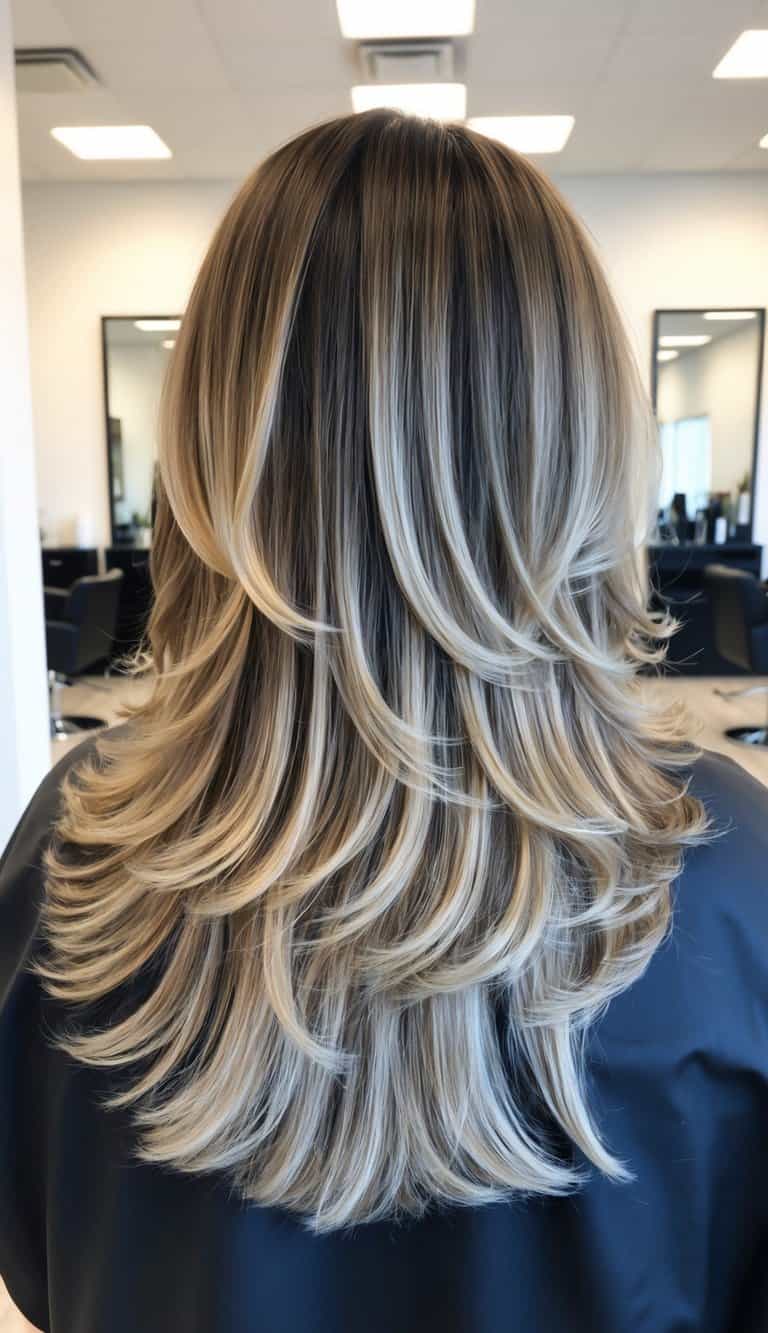
Cascading layers with volume is one of the most dramatically beautiful layered looks in the collection — the layers are cut specifically to create a cascading, waterfall effect where each layer is clearly visible as it falls from the layer above it, creating a staircase of lengths that gives the impression of hair that’s constantly in motion even when still. The volume component means the layers are blown out, set, or otherwise styled to maximize fullness and body, creating hair that appears to have extraordinary mass and movement. This is the layered look for special occasions and maximum visual impact.
Best for: Medium to long hair. All face shapes. Medium to thick hair that has enough weight to maintain the cascading shape throughout a day of styling.
Styling tip: A volumizing mousse at the roots, followed by a blow-dry with a round brush and large velcro rollers set at the crown for 15 minutes after blow-drying, creates the full, cascading volume that defines this look at its best.
7. Layered Lob with Curtain Fringe
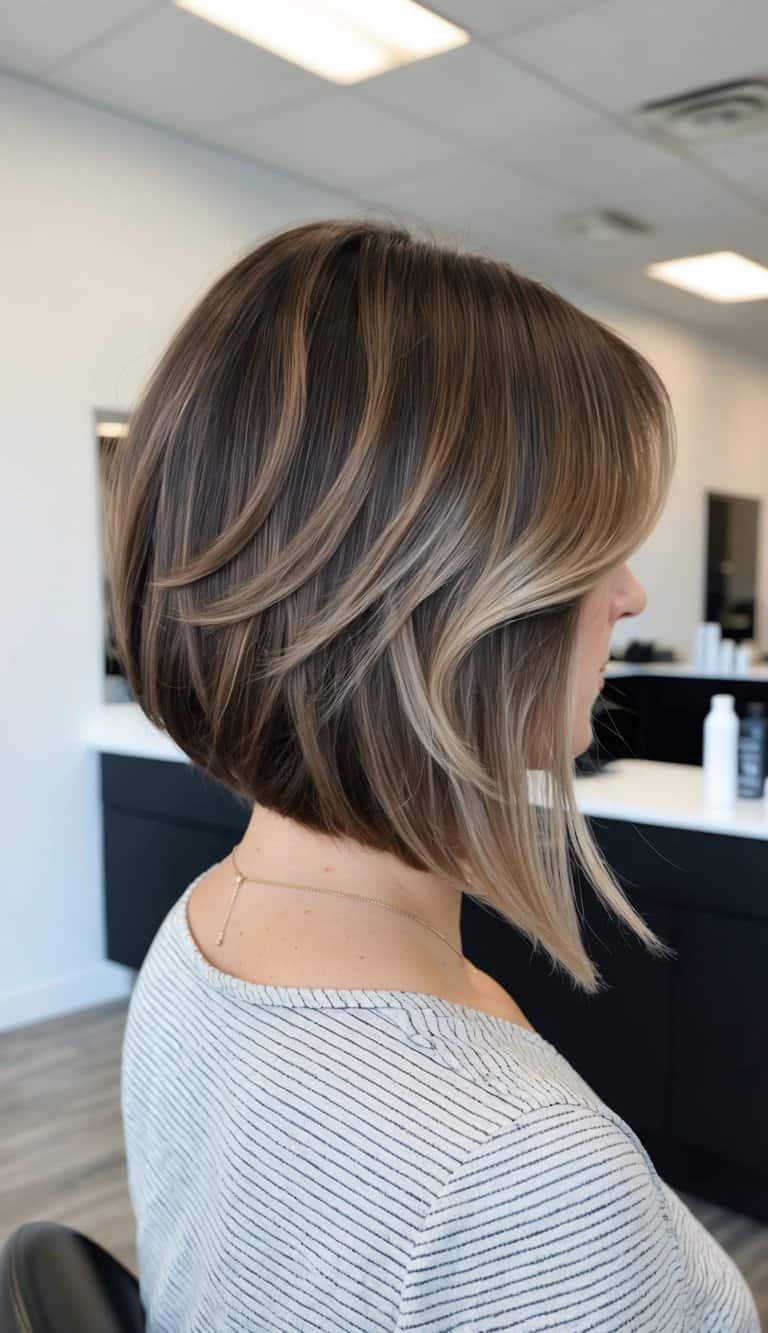
The layered lob with curtain fringe combines three of the most popular contemporary hair elements into one harmonious look — the lob (long bob, collarbone to shoulder length) provides the framework, the layers add movement and dimension throughout the length, and the curtain fringe adds the face-framing, center-parted softness that has dominated editorial and social media hair aesthetics for the past several years. The curtain fringe’s parting and face-framing quality contrasts beautifully with the layered body of the lob, creating a look that’s both modern and classically flattering.
Best for: Most hair textures and face shapes — oval, heart, and oblong faces particularly benefit from the framing effect of curtain bangs. Those who want a contemporary, fashionable cut with face-softening fringe.
Styling tip: Blow-dry the curtain fringe by directing each side away from the center part, curving the sections away from the face — a round brush held horizontally under each side of the fringe and rotated creates the characteristic curtain outward curve.
8. Layers with Feathered Tips
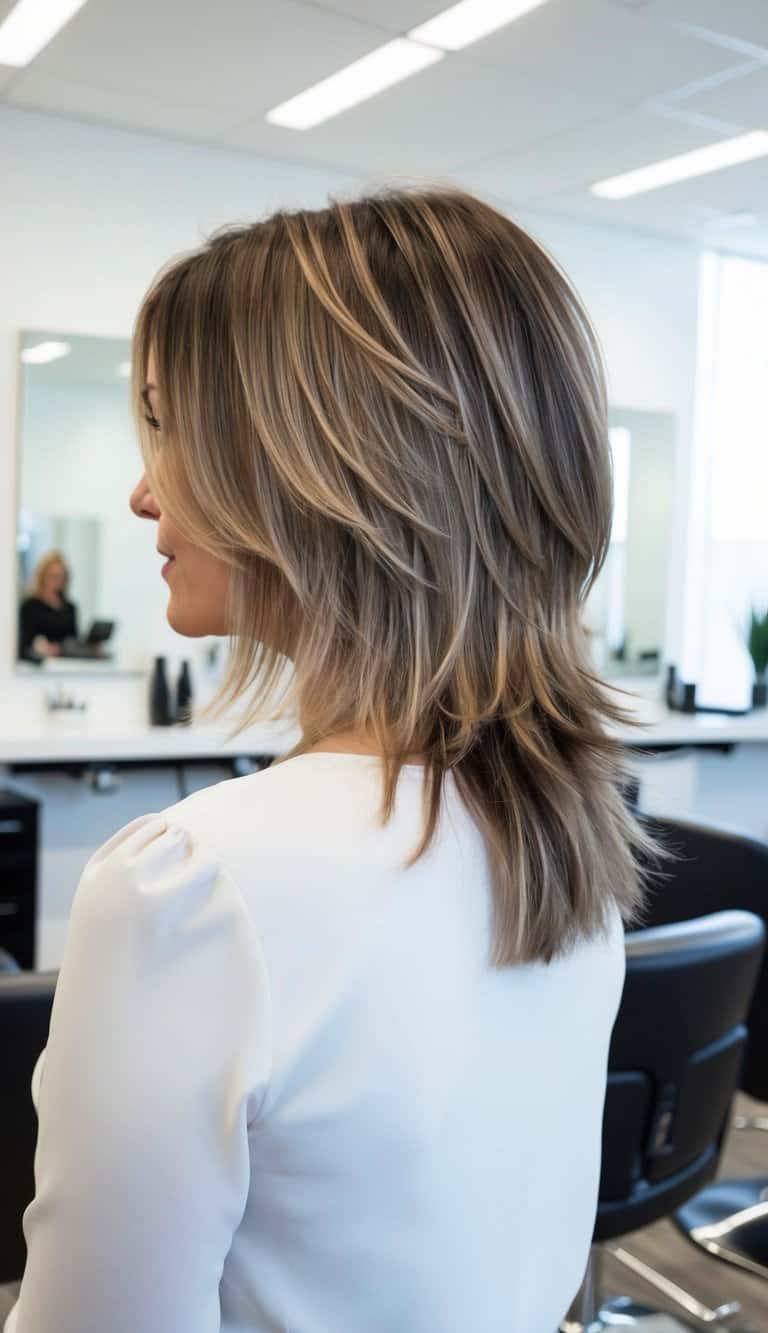
Layers with feathered tips draw from the 1970s Farrah Fawcett tradition of feathering — a technique where the very tips of each layer are cut with a razor or scissors in a motion that creates fine, feathery points rather than blunt ends. The feathered tips add a particularly delicate and vintage-referencing quality to any layered cut, making even a contemporary length feel like it has a connection to the most glamorous era in layered hair history. Feathered tips also make layers appear more numerous and more defined, as each individual feathered tip is clearly visible as it catches the light.
Best for: Medium to long layered cuts. Fine to medium hair where feathered tips reduce end heaviness. Those who appreciate vintage-inspired cutting techniques with a contemporary application.
Styling tip: A round brush directed outward (away from the face and head) at the tips while blow-drying creates the characteristic wing-like feathering quality — or use a barrel brush to flip the ends slightly outward after the main blow-dry is complete.
9. Layered Cut with Side-Swept Bangs
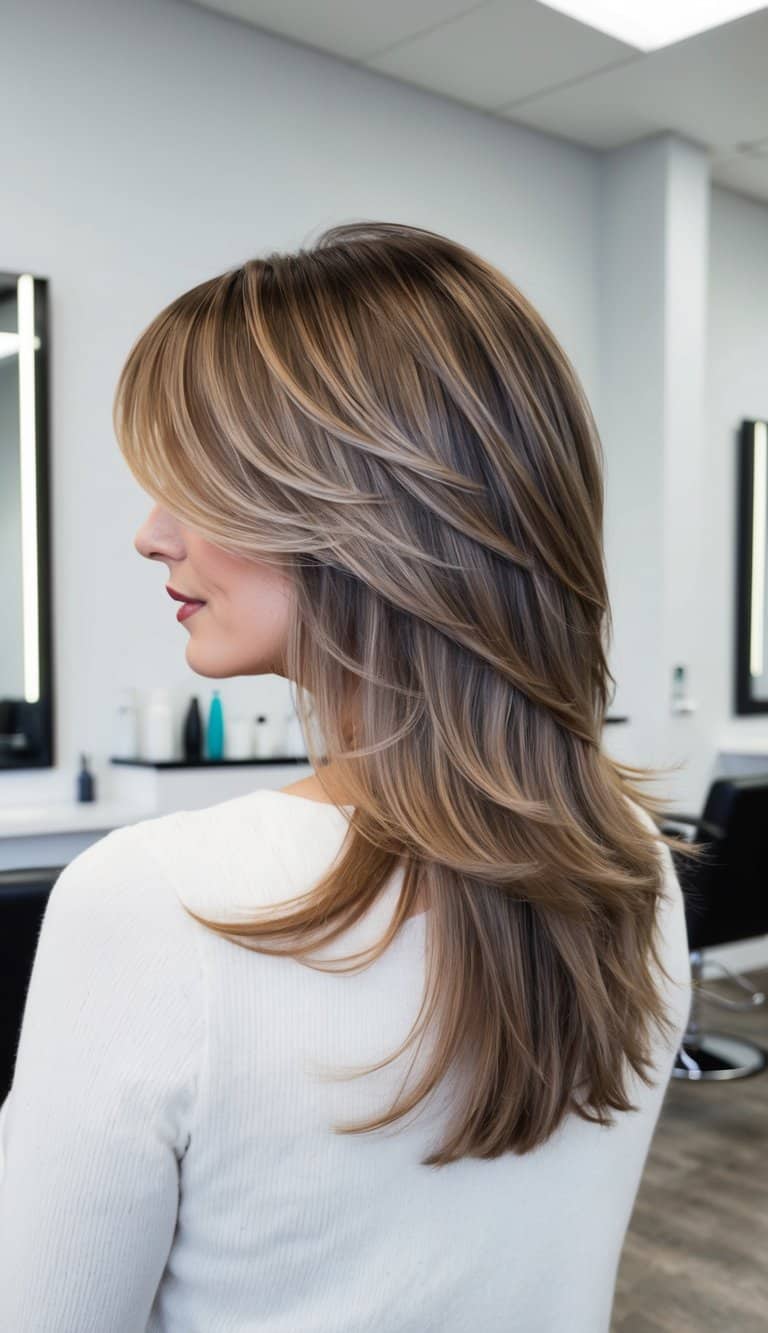
The layered cut with side-swept bangs combines the body and movement of a layered length with the face-framing, softening quality of a side-swept fringe — the bang is cut long at one side of the face and tapers as it sweeps across the forehead toward the other side, creating a diagonal line that frames the eye on the longer side and blends naturally into the layered length on the shorter side. Side-swept bangs are particularly effective at softening strong facial features and adding a sense of movement to the front of the face, complementing the movement the layers create throughout the length.
Best for: Most face shapes, particularly square and round faces where the diagonal line of the side sweep adds angularity. All hair textures. Most lengths from lob to long.
Styling tip: A flat iron on the side-swept bang section, followed by brushing the bang firmly to the swept side while it’s still warm, creates the most defined, directional side sweep — allow to cool completely before releasing for maximum hold.
10. Layered Bob with Face-Framing Highlights
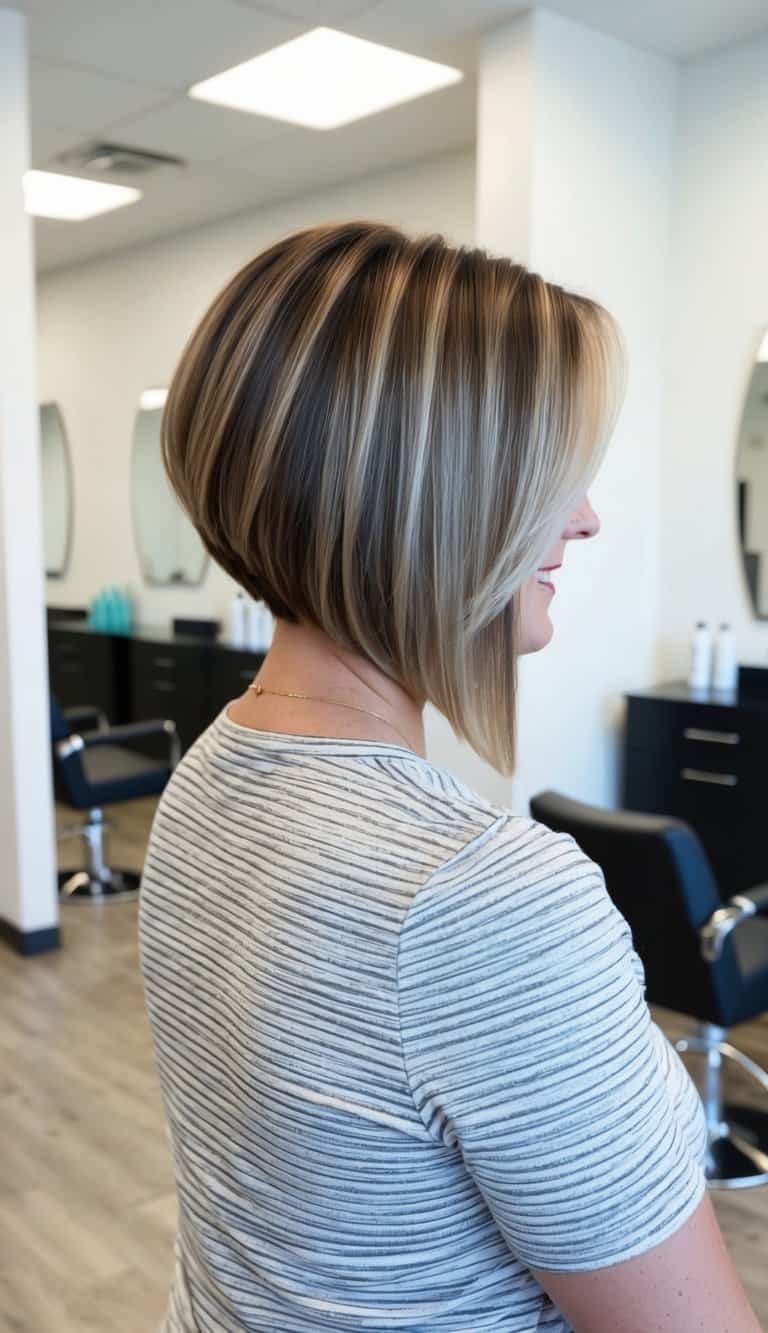
Face-framing highlights added specifically to the front sections of a layered bob create a particularly flattering combination — the lighter color at the front of the face draws the eye inward toward the features, while the layers throughout the length create movement and dimension behind the highlights. The face-framing placement means the brightest, most contrasting sections of color are exactly where they have the most impact, creating a brightening, lifting effect around the face that can visually slim facial features and add luminosity to the complexion. This combination of cut and color is one of the most universally flattering available.
Best for: All base hair colors and face shapes — the specific highlight tone is customized to complement each individual’s coloring. Medium to dark base colors where the face-framing highlights create the most visible contrast and brightening effect.
Color tip: Face-framing highlights placed from the temples forward, blending back naturally into the base color at the sides, create the most flattering and seamless result — highlights that extend too far back lose the concentrated, framing quality that makes this technique most effective.
11. Wavy Layers
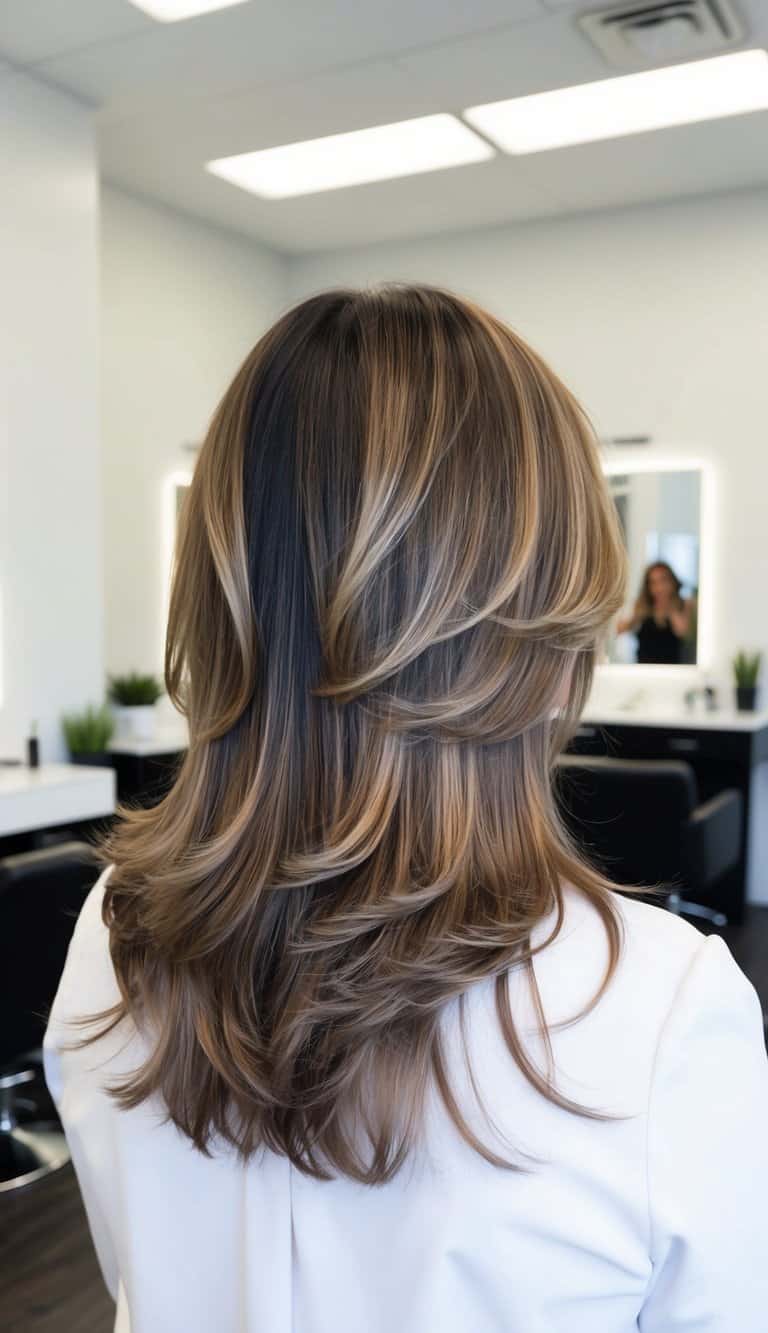
Wavy layers embrace the hair’s natural wave pattern as a design collaborator rather than something to be controlled or straightened — the layers are cut to complement the wave, with each layer ending at a point where the wave naturally curves, so that the layer enhances the wave’s shape rather than fighting against it. The result is a layered cut that looks genuinely effortless and natural, as though the hair has fallen into this beautiful, layered wave pattern entirely on its own. Wavy layers require a stylist who understands wave pattern and cuts accordingly rather than cutting straight across each section without regard for where the wave falls.
Best for: Naturally wavy or lightly curly hair. Those who want to embrace their natural texture rather than fighting it with heat styling. Most face shapes and hair lengths.
Styling tip: Apply a wave-enhancing cream through damp hair, scrunch gently to encourage the wave pattern, and air dry — or use a diffuser on low heat if faster drying is needed. Avoid touching the hair while it dries, which disrupts the wave formation.
12. Chin-Length Layered Bob
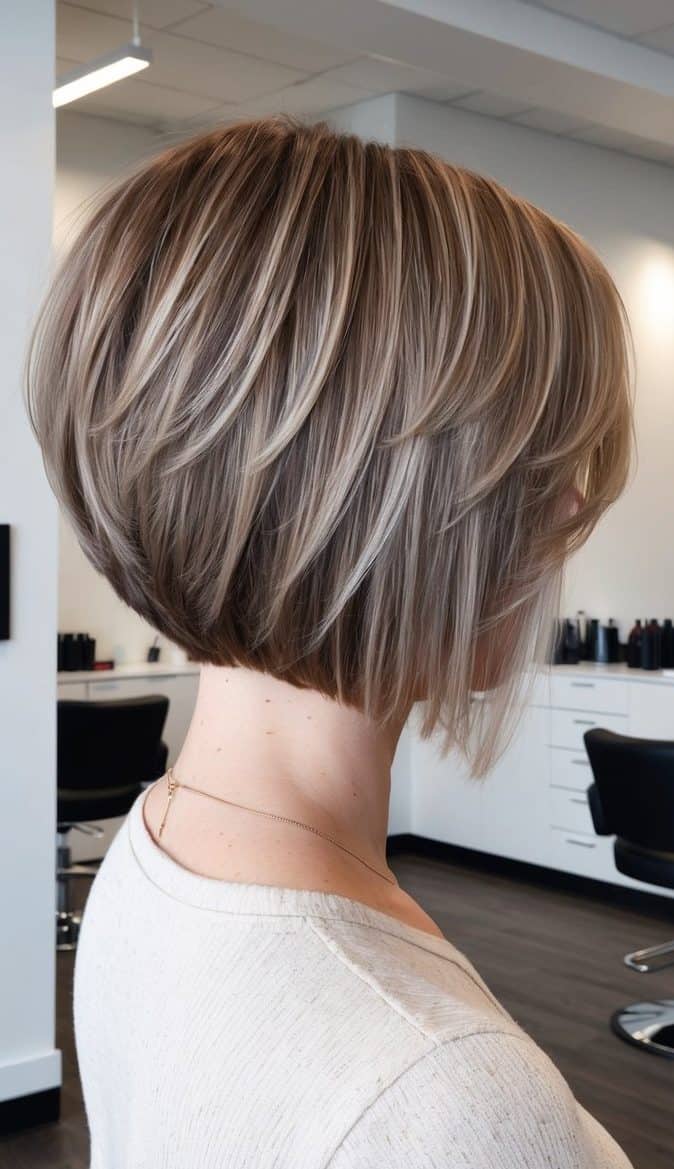
The chin-length layered bob is one of the most precise and impactful haircut choices available — the chin-length perimeter frames the face at exactly the point where it has the most visible interaction with the jawline, making it a cut where face shape compatibility is especially important and where the layers need to be placed with particular care. Chin-length layers create volume and movement right at face level, where it’s most visible and most flattering when correctly placed. The cut’s brevity means there’s nowhere to hide imprecise cutting — a perfectly executed chin-length layered bob is among the most technically demanding and most rewarding short cuts.
Best for: Oval, heart, and oblong face shapes where the chin-length line creates proportional balance. Fine to medium hair where the chin length allows the layers to create visible movement without the weight of longer hair. Those who want a short cut with strong face-framing presence.
Styling tip: A C-curl round brush blow-dry — where the brush rotates inward toward the face at the ends — creates the signature chin-length bob curl that frames the jaw and creates the rounded, full silhouette most associated with this cut at its most classic.
13. Layered Blowout with Volume Boost
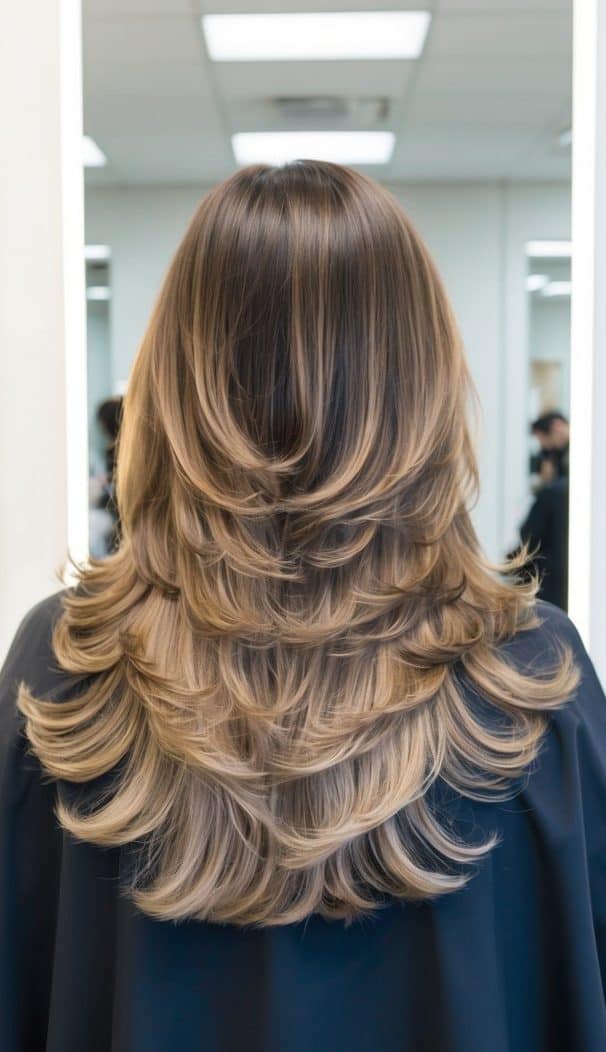
The layered blowout with volume boost is as much about the styling technique as about the cut itself — the layers provide the structural framework, but the blowout technique applied over those layers is what creates the extraordinary fullness and body that defines this look. A professional-quality blowout applied to a layered cut creates volume that’s impossible to achieve without layers: the shorter internal layers lift against the longer outer layers, creating a sustained internal architecture of fullness that holds its shape far better than a blowout on uncut hair. This is the look for those who want maximum glamour and fullness from their haircut.
Best for: Medium to long layered cuts. Fine to medium hair that benefits most from the volume-building blowout technique. Those who are willing to invest 20–30 minutes of blow-drying time in exchange for a significantly more dramatic and voluminous result.
Styling tip: Apply a volumizing mousse at the roots and a heat protectant through the lengths, then blow-dry section by section from the nape upward, always directing the airflow from roots to ends and finishing each section by directing the brush upward at the root for maximum lift.
14. Highlighted Hair with Subtle Layers
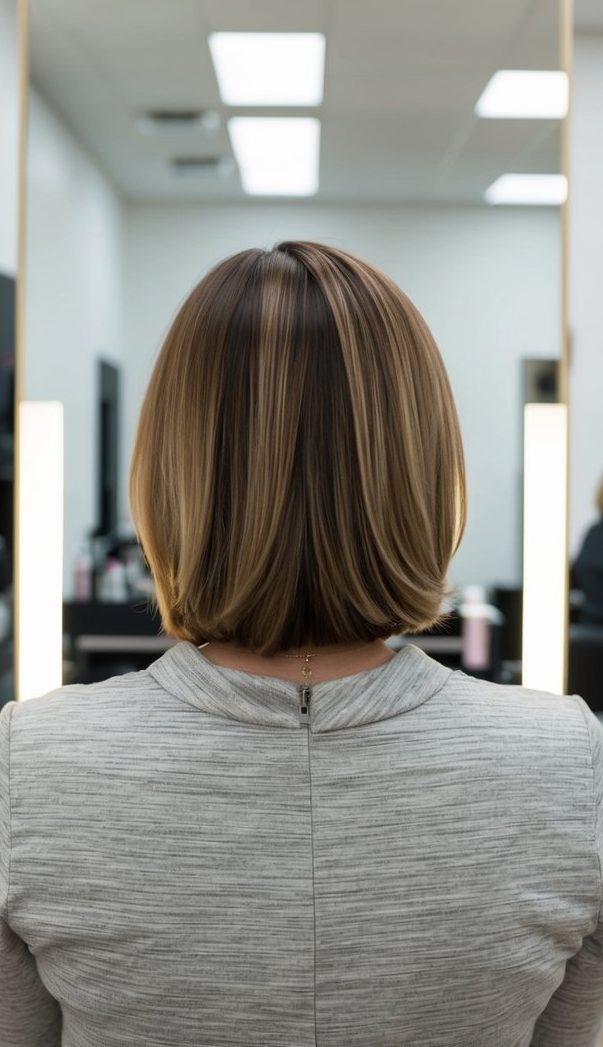
Highlighted hair with subtle layers uses restrained, strategic layering to complement a highlight color service — the layers are minimal and soft, designed to create just enough movement to allow the highlights to be visible from multiple angles simultaneously rather than laying flat and showing only one or two tones at a time. The subtlety of the layers is important: too much layering in highlighted hair creates a fragmented, choppy quality where individual highlighted pieces become disconnected; too little creates a flat look where all the color is compressed into a single plane. Subtle layers hit the perfect balance, creating dimension without chaos.
Best for: All hair lengths. Those who have invested in a highlight color service and want the haircut to complement and display the color rather than compete with it. Fine to medium hair where subtle layers add movement without removing structural weight needed for body.
Color tip: Have the subtle layers cut at the same appointment as the highlight service, or in the session immediately after — this allows the colorist and stylist to coordinate the placement of both the highlights and layers so they work together as an integrated look.
15. Layered Pixie with Tapered Neck
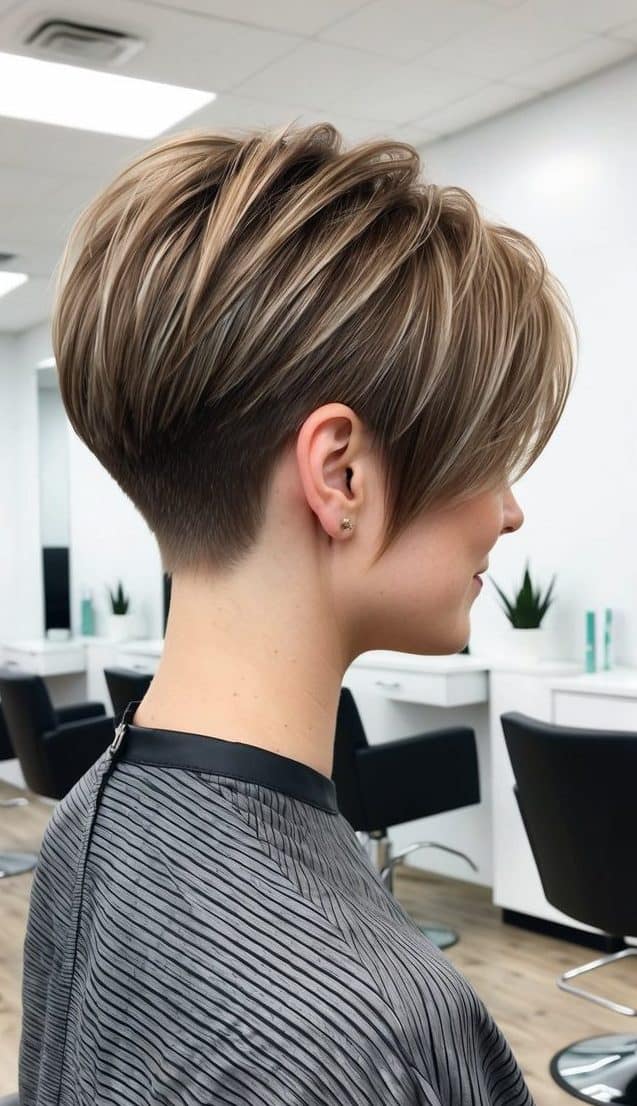
The layered pixie with tapered neck combines interior layering throughout the short cut with a precisely tapered, faded nape that draws attention to the back of the head with equal care as the front. The interior layers create volume and movement within the pixie’s crown and top sections, while the tapered neck creates a clean, precise perimeter at the nape that exposes the skin and defines the hairline with exceptional accuracy. The combination of organic, textured layering above and architectural precision below creates a short cut of genuine sophistication and technical complexity.
Best for: Those who want a short cut that rewards close attention — the layering and taper are details best appreciated from multiple angles and distances. Most face shapes. Those comfortable with the maintenance frequency that a tapered nape requires.
Styling tip: The layered top of this pixie can be styled in multiple directions — swept forward, pushed back, directed to one side — while the tapered nape remains the same constant precision backdrop regardless of the top’s styling direction.
16. Cropped Layers with Texture
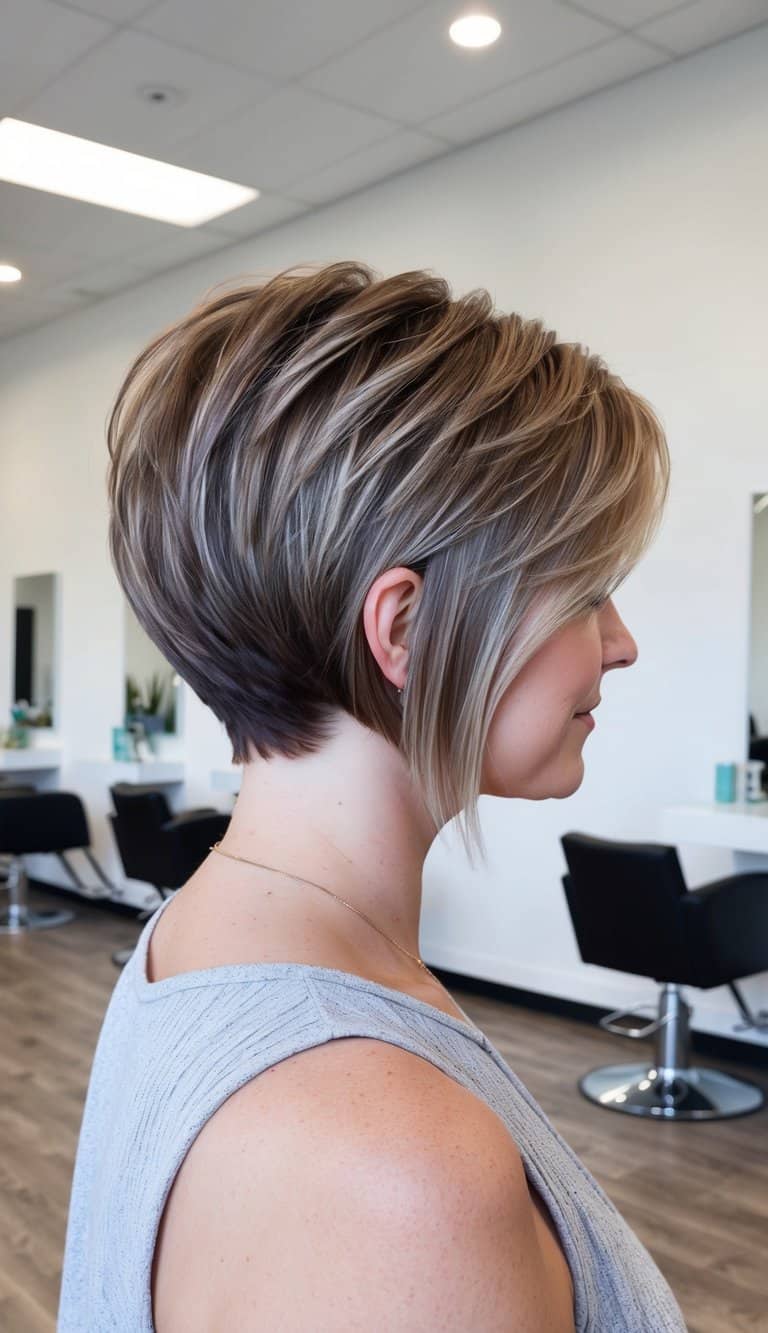
Cropped layers with texture is a confident, bold short cut where heavy layering throughout a very short overall length creates maximum texture and visual complexity at minimal hair length. The crop keeps the overall silhouette short and clean while the layers within it create multiple planes of different length, producing a look that’s far more interesting and dimensional than a standard close-cropped cut. The texture element — achieved through razoring, point cutting, or texturizing shears — adds further visual interest at the ends of each layer, creating a short cut that appears to have been constructed with deliberate artistic intention.
Best for: Those who want maximum texture and visual interest in a very short cut. All hair textures, with the specific texturing technique adapted for each. Most face shapes.
Styling tip: A matte paste worked through the entire cut with fingertips, then shaped and directed with fingertips alone (no brushing), creates the most authentic, textured result — the fingerprint-like irregularity of fingertip styling perfectly suits the deliberate textured quality of this cut.
17. Layered Shaggy Pixie Bob with Razor-Cut Ends
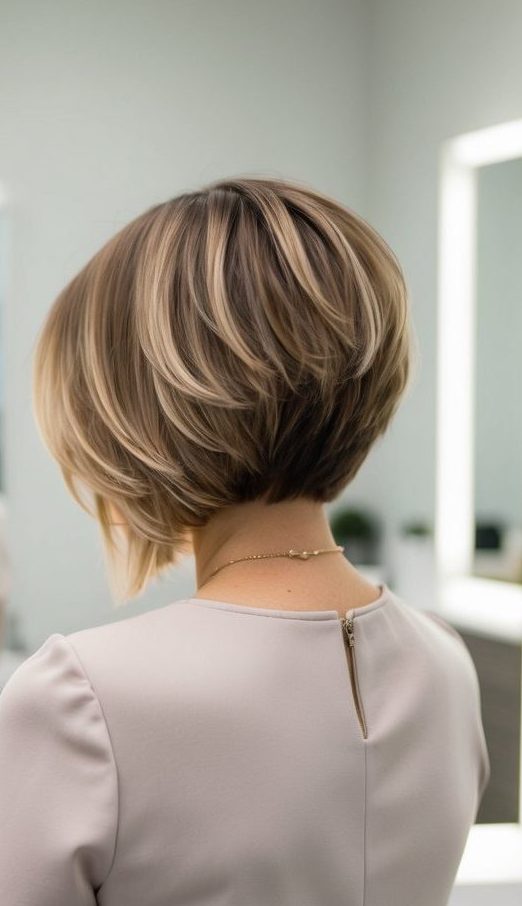
The layered shaggy pixie bob with razor-cut ends is one of the most technically complex and visually distinctive cuts in the collection — it combines the pixie-bob length (between ear and jaw), the heavy multi-layer approach of the shag, and the specifically frayed, organic quality of razor-cutting at each layer’s end. The result is a short cut with tremendous visual richness: every layer, every end, every section contributes to an overall impression of beautifully controlled chaos. The razor-cut ends are softer and more organic than scissor-cut ends, giving each layer tip a feathery quality that moves and catches light beautifully.
Best for: Fine to medium hair where the shag’s heavy layering adds the volume and dimension that finer textures need. Those who appreciate cutting-edge, fashion-forward short cuts with strong artistic character. Most face shapes, with the shag’s layers adjusted to frame and flatter individual proportions.
Styling tip: A sea salt spray on damp hair, scrunched and air-dried, creates the most authentic shaggy texture — heat styling is counterproductive to this look, which is designed for organic, effortless texture rather than polished, controlled styling.
18. Feathered Layers with Highlights
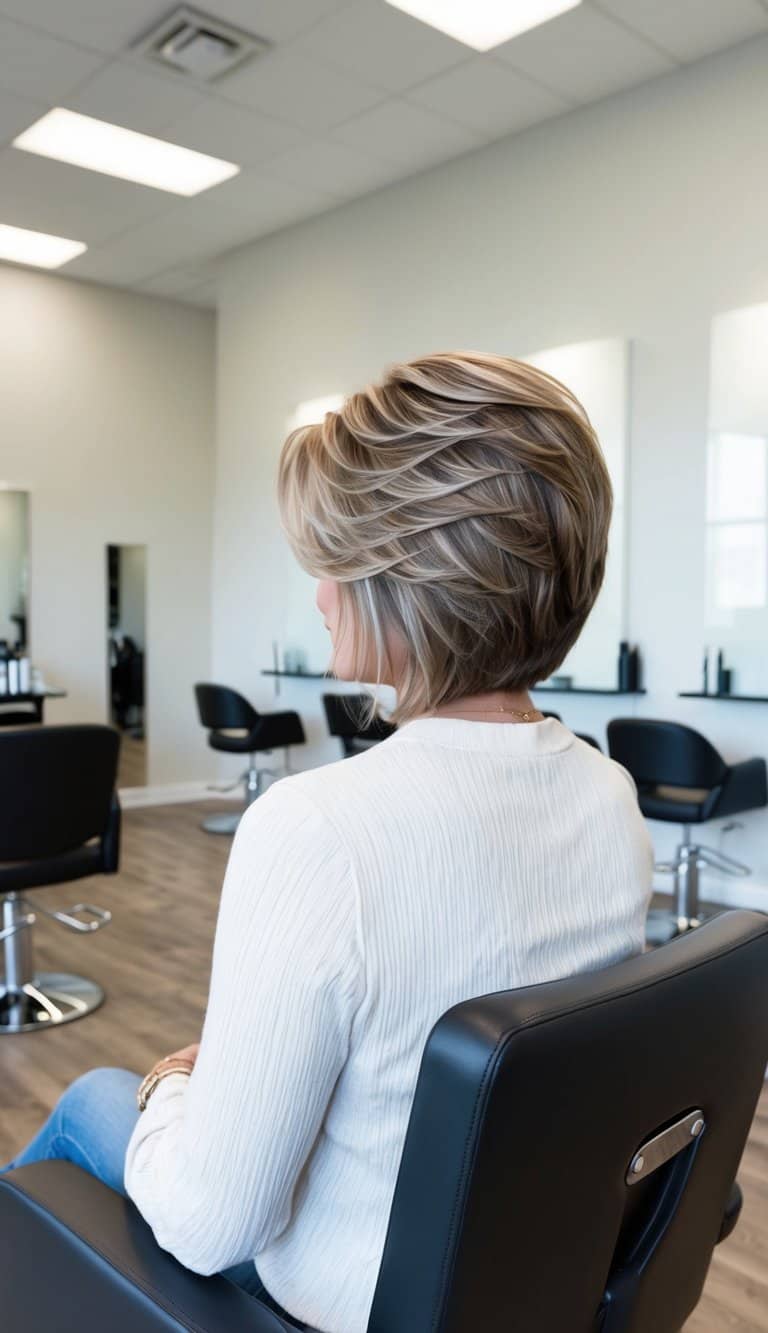
Feathered layers with highlights combines the technique of feather-cutting with strategically placed highlights, creating a look where the highlights are most visible exactly where the feathered layers are most defined — at the tips and perimeter of each layer. The feathered tips catch and reflect light in a particularly beautiful way, and when those tips carry lighter highlight color, the light-catching quality is amplified. The combination of feathering and highlighting creates a look of extraordinary luminosity and movement, with each layer appearing to glow with its own light source at the tips.
Best for: Medium to long hair. Warm and golden skin tones where warm highlight tones complement the overall look. Fine to medium hair where feathered tips and highlights both serve to add visual weight and interest to the length.
Color tip: Highlights placed specifically at the very tips of each feathered layer — rather than throughout the entire length of each strand — create the most concentrated and beautiful light-catching effect at the ends that defines this particular combination.
19. Mid-Length Hair with Layers
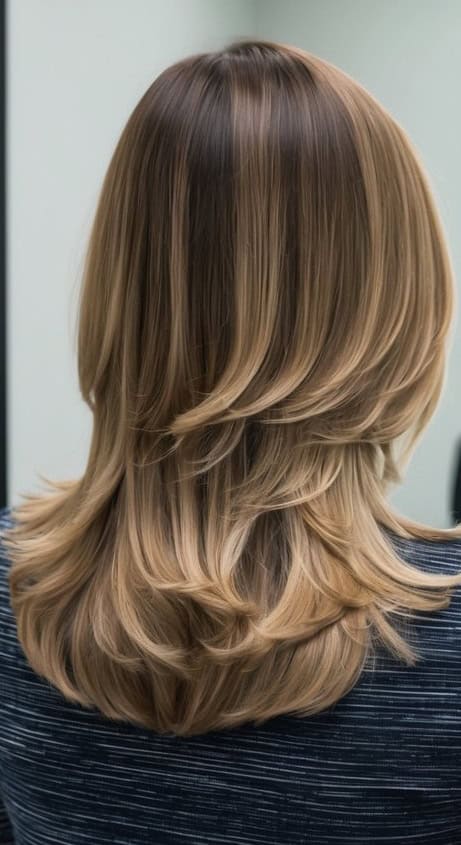
Mid-length hair with layers occupies the sweet spot of haircut planning — long enough to have substantial movement and styling versatility, short enough to be managed and maintained without the commitment of truly long hair. At mid-length (typically collarbone to chest length), layers create the most dramatic transformation: they add movement to otherwise potentially static hair, create a silhouette that’s fuller and more dynamic than blunt mid-length hair, and allow the hair to be styled in many more ways than unlayered mid-length would permit. Mid-length layers are the ideal first step for those wanting to add dimension to their hair without a dramatic length change.
Best for: All hair textures and face shapes. Those who want maximum styling versatility — mid-length layered hair can be worn straight, wavy, in loose curls, half-up, in a bun, or braided with equal ease. Those wanting to add dimension to their hair without committing to a short cut or maintaining very long lengths.
Styling tip: Mid-length layered hair is particularly beautiful styled in loose, natural waves — a 1.5-inch curling iron wrapped loosely around sections and left to cool before release creates effortless waves that showcase each layer’s movement beautifully.
20. Bouncy Layers with Curls
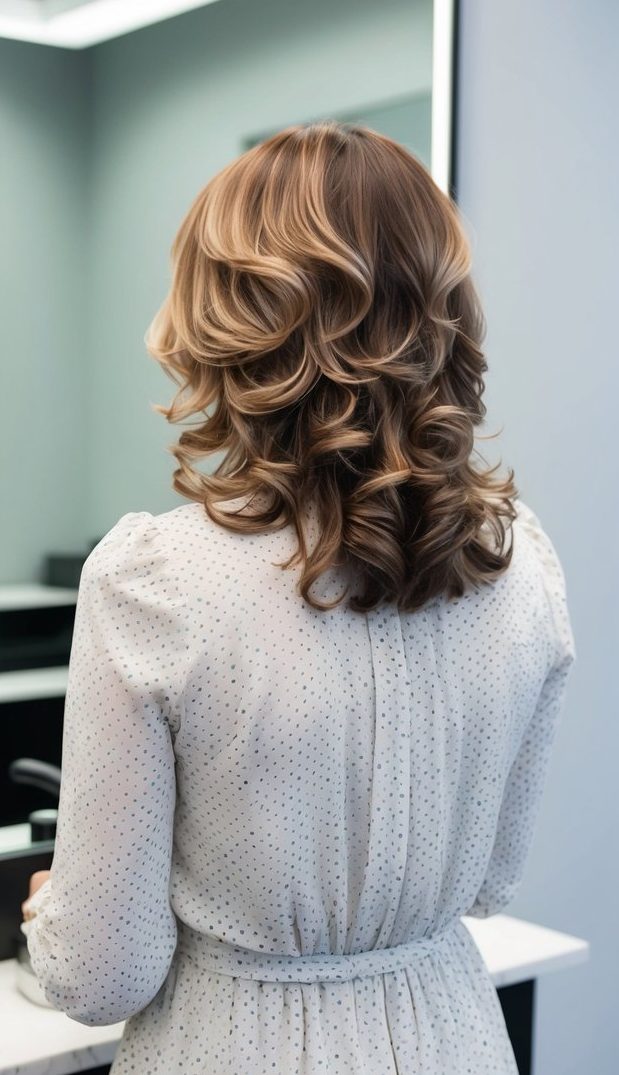
Bouncy layers with curls is one of the most joyful and high-energy looks in the collection — the combination of structured layers and defined curls creates hair with extraordinary volume, movement, and vitality. The layers work within the curl pattern to create graduated sections that spring upward and outward at different heights, producing a silhouette that’s full, round, and visually exuberant. The bouncy quality comes from the spring-like energy of defined curls interacting with the different lengths created by layering — each curl section has room to spring freely without being weighted down by longer sections above it.
Best for: Naturally curly or wavy hair where layers help define and separate the curl pattern. Those who want maximum volume and movement from their layered cut. Most face shapes — the roundness of a full curly layered silhouette is most flattering on longer and more angular faces.
Styling tip: Apply a curl-defining cream through soaking wet hair, section into manageable pieces, and scrunch each section firmly upward toward the scalp — the scrunching motion from ends to roots encourages the curls to spring upward and form defined, bouncy coils rather than elongated, heavy waves.
21. Long Bob with Textured Layers
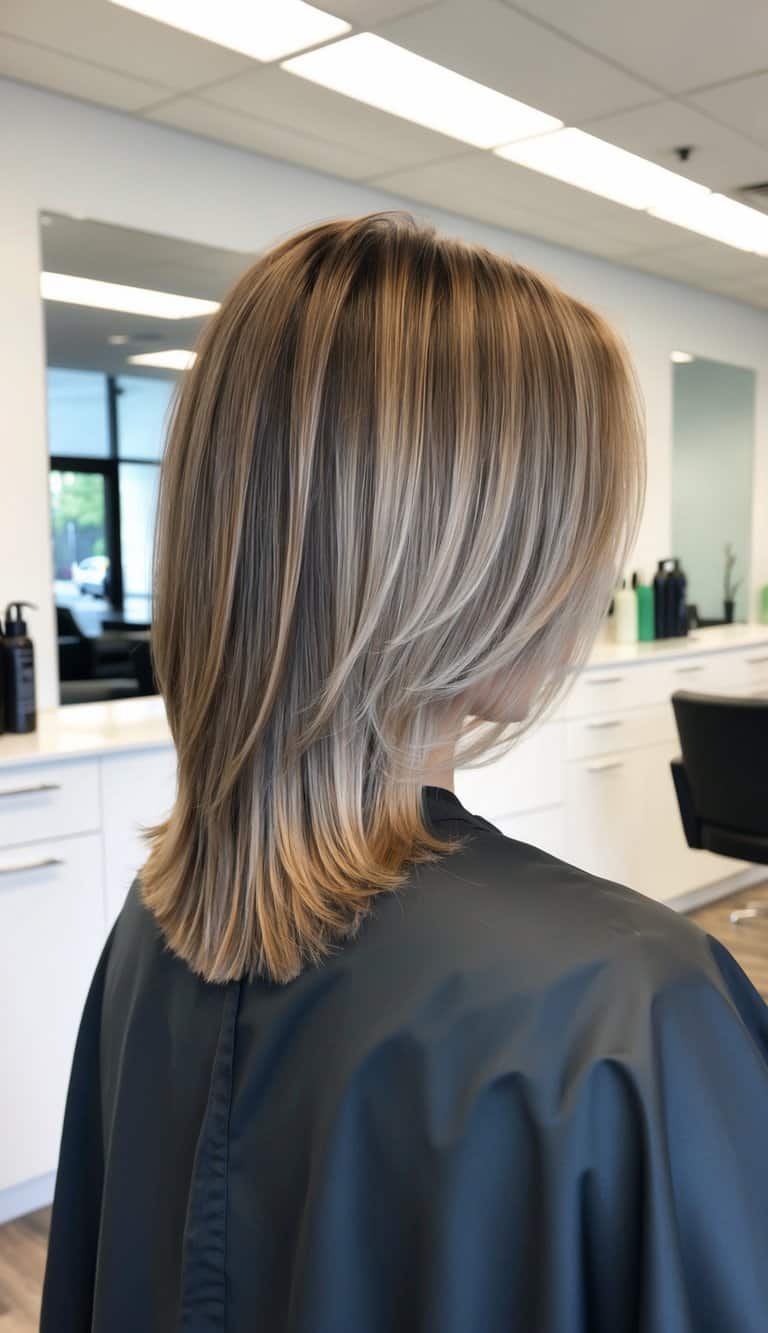
The long bob (lob) with textured layers is the most popular and widely requested contemporary haircut — the lob’s collarbone-area length is universally flattering, and textured layers throughout add the movement and dimension that prevent the lob from sitting flat and static. The textured quality of the layers means they’re cut with deliberate irregularity at the ends — point-cut rather than blunt — creating a look that reads as effortlessly stylish and casually cool rather than formally groomed. The textured lob layers are responsible for the characteristic “undone” quality that has made this cut a perennial favorite in editorial and everyday contexts alike.
Best for: All face shapes — the lob length is genuinely universally flattering. Fine to medium hair that needs layers to add movement. Those who want a cut that looks great air-dried as well as blown out.
Styling tip: For the air-dry version: apply a lightweight texturizing cream and scrunch. For the blow-out version: use a round brush and volumizing mousse. The textured layers look excellent in both scenarios — the cut’s versatility is one of its greatest qualities.
22. Layered Cut with Full Bangs
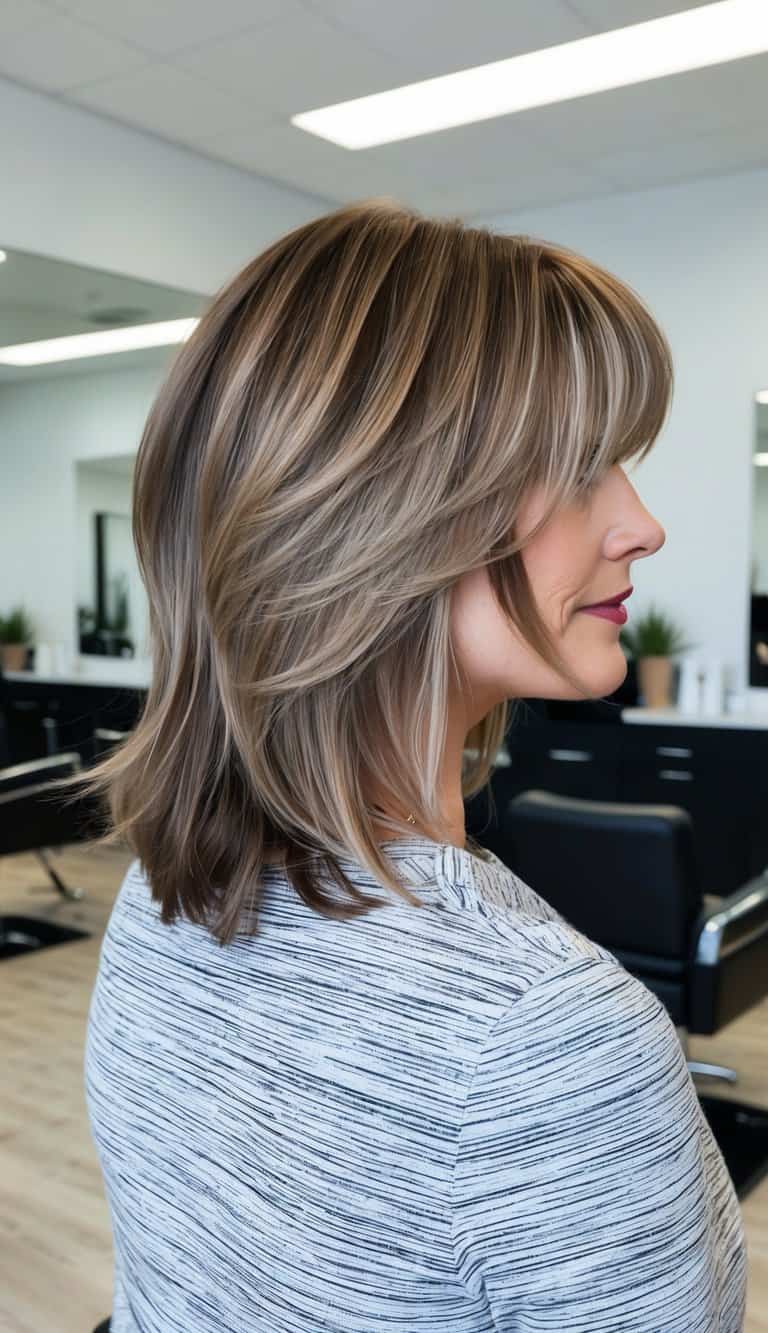
A layered cut with full bangs creates a strong, graphic look where the dense, straight-across fringe contrasts with the movement and texture of the layered length behind it — the blunt horizontal of the bang provides a clear, defined frame for the eyes and forehead, while the layered body of the cut behind it flows with movement and dimension. Full bangs and layers together create a look that’s simultaneously bold (in the bang’s density and graphic quality) and soft (in the layered body’s movement and texture), making for a look of interesting tension and visual complexity.
Best for: High foreheads that benefit from the coverage of full bangs. Oval and heart face shapes where full bangs create proportional balance. Fine to medium hair where full bangs add density at the front of the cut.
Styling tip: Blow-dry the full bangs downward with a flat brush, pressing the brush firmly against the forehead while directing the dryer’s airflow straight down — any lift or movement in the bangs during drying creates the wavy, messy bang quality rather than the flat, graphic one that defines full bangs at their most architectural.
23. Layered Cut with Glossy Finish
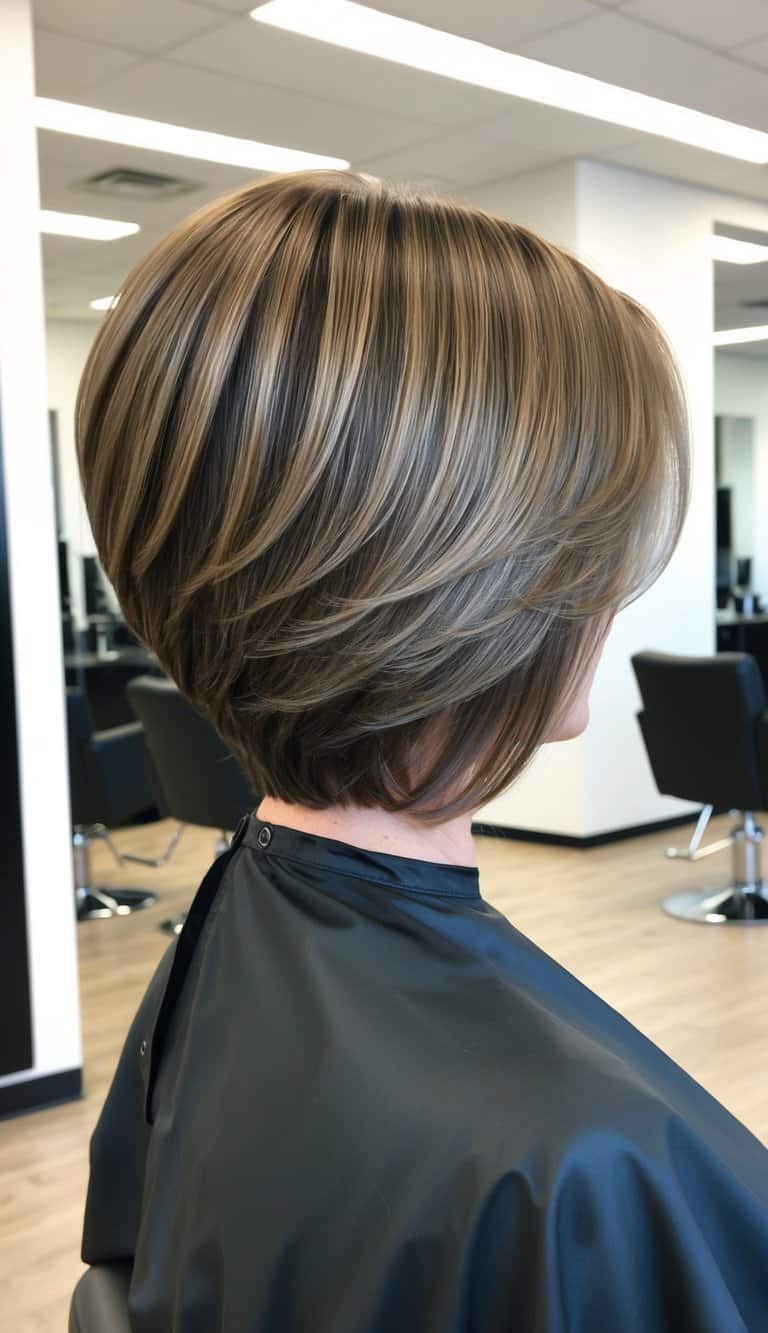
A layered cut with glossy finish is as much about condition, color treatment, and styling product as about the cut itself — the gloss can be a color gloss treatment (a semi-permanent toning service that adds both color depth and high shine), a finishing serum applied before or after styling, or both. Applied over a layered cut, the glossy finish makes each layer appear more defined and luminous, the light bouncing off every layer’s surface and creating the impression of exceptional hair health and radiance. The combination of layered movement and high-gloss shine is particularly photogenic and visually striking.
Best for: All layered cut lengths. Smooth, straight-to-slightly-wavy hair where a glossy finish sits most uniformly and reflectively. Those who prioritize hair health, shine, and condition as much as cut shape.
Styling tip: A finishing serum applied to the palms, rubbed together until thin and warm, then smoothed lightly over completely dry styled hair creates the specific high-gloss quality — the serum seals the cuticle and creates the light-reflecting surface that defines a glossy finish.
24. Undercut with Layered Ends
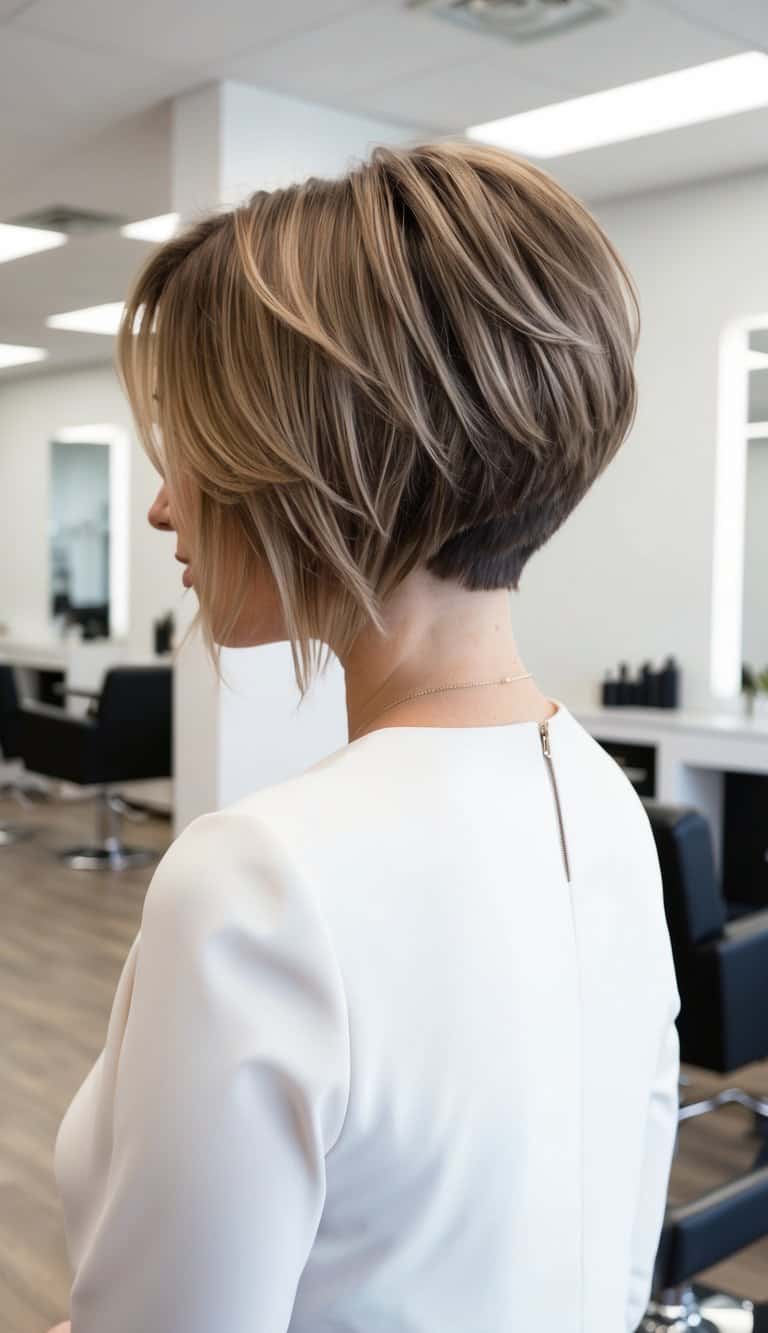
The undercut with layered ends creates an unexpected combination — the undercut (very short-clipped hair beneath the longer surface layer) is typically associated with edgy, architectural styles, but layered ends at the surface level add a softer, more organic quality that balances the undercut’s dramatic statement. When the longer surface hair is worn down, the undercut is completely concealed and only the layered ends are visible, creating what appears to be a conventionally layered cut. When the surface hair is pulled up or styled back, the close-clipped undercut is revealed, dramatically transforming the look. The duality makes this one of the most versatile and interesting cuts in the collection.
Best for: Those who want a haircut with genuine dual personality — professional and conventional when needed, edgy and fashion-forward when desired. Those comfortable with the maintenance frequency that undercuts require. Most face shapes.
Styling tip: The contrast between the clipped undercut and the layered ends is most impactful when the surface hair is half-up or pulled into a high ponytail, which reveals the undercut while letting the layered ends fall freely below — this styling shows both elements of the cut simultaneously.
25. Tousled Layers with Sun-Kissed Highlights
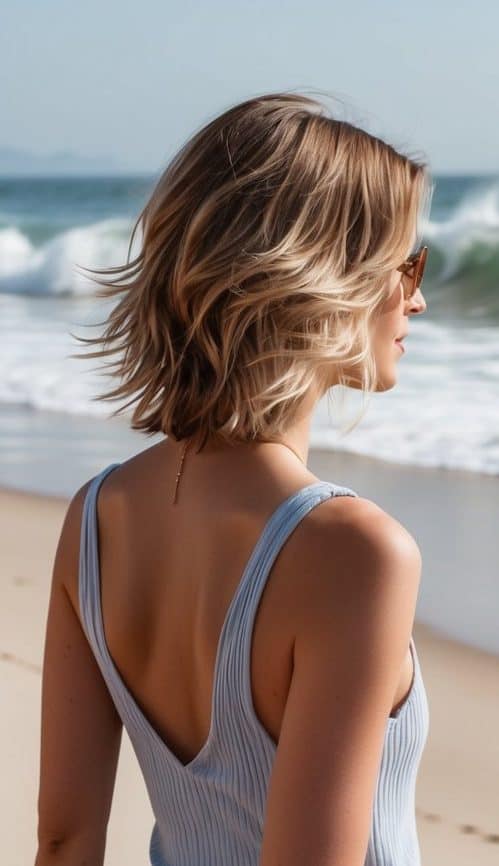
Tousled layers with sun-kissed highlights closes the collection with one of the most effortlessly beautiful and universally appealing combinations in hair styling — the tousled layers create a naturally disheveled, lived-in quality, while the sun-kissed highlights add warm, light-catching color that reads as genuinely organic and natural. Together, they create the impression of hair that has been kissed by sunlight and sea air, full of movement and warmth without any visible artifice. This is the look that reads as the opposite of over-styled: natural, warm, and effortlessly beautiful, as though the wearer has simply lived this way.
Best for: Medium to long hair. Warm skin tones where sun-kissed warm highlights are most harmonious. All hair textures — the tousled quality works with natural movement rather than requiring precise styling. Those who want a beautiful, low-maintenance look that rewards minimal daily styling effort.
Styling tip: Apply a sea salt spray to damp hair, scrunch through the lengths to encourage tousled movement, and allow to air dry — the combination of wave-enhancing spray and natural drying creates the authentic tousled quality that makes this look most beautiful and believable.
How to Choose the Right Layered Haircut
- Match layers to your hair texture: Fine hair benefits from longer layers that add movement without removing weight. Thick hair benefits from shorter, more aggressive internal layers that remove bulk. Wavy and curly hair benefits from layers cut with awareness of the wave and curl pattern rather than straight across.
- Consider maintenance: Layered cuts with lots of short internal layers require more frequent trims to maintain their shape (every 6–8 weeks). Longer, softer layers grow out more gracefully and can be stretched to 10–12 week appointments.
- Think about styling time: Very layered cuts that rely on blow-out volume for their shape require more daily styling than texturized, air-dry-friendly cuts. Choose a layer pattern that suits your daily routine honestly.
- Communicate the transition zone: The placement of the longest layer relative to the shortest one — and where the graduation between them happens — is the most important specification to communicate clearly to your stylist. “I want layers” is far less precise than “I want layers starting at the chin, graduating to the ends.”
Frequently Asked Questions
How often should I trim layered hair?
Most layered haircuts benefit from trims every 6–10 weeks, depending on how distinct and precise the layer pattern is. Short, heavily layered cuts (like the cropped texture or layered pixie) require the shorter end of that range; longer, softer layered cuts (like the long bob with textured layers or the tousled lob) can stretch toward 10–12 weeks before the shape becomes unclear.
Do layers work on thin hair?
Yes — but the layer placement matters enormously. Long layers starting below the chin maintain length and visual weight while adding movement. Short, choppy layers on thin hair can make it appear thinner by removing the structural weight that fine hair needs. The key for thin hair is layers that add the appearance of volume through movement and graduation without removing the density the hair needs to look full.
Can curly hair be layered?
Absolutely — in fact, many curly hair specialists consider layering essential for most curl patterns. Layers in curly hair remove weight that prevents curls from forming properly, and they allow each curl section to spring and coil freely without being pulled straight by heavier sections above. The technique for cutting curly layers differs from straight hair cutting — many stylists use the “dry cutting” method, cutting curly hair in its natural state rather than wet and stretched.
Final Thoughts
Layered haircuts have remained central to the haircutting tradition precisely because they work — across textures, lengths, face shapes, and aesthetic preferences, layers consistently deliver movement, dimension, volume, and flattery that no single-length cut can match. The 25 ideas in this collection span the full range of what layered cutting can achieve: from the drama of cascading layers with volume to the quiet refinement of highlighted hair with subtle layers, from the editorial boldness of the shaggy pixie bob to the universal appeal of the textured lob.
Whatever the goal — more volume, more movement, better face framing, a more modern cut, or simply a fresh direction — there is a layered haircut in this collection that delivers exactly that result.


