23 Pixie Cut Hairstyle Ideas: Chic and Easy Looks for Every Face Shape
The pixie cut is one of those hairstyles that looks effortless on screen but feels like a leap in real life. And that hesitation makes sense — you’re committing to something that takes real time to grow back. But here’s what most people don’t tell you: a well-executed pixie cut is one of the most low-maintenance, versatile, and genuinely flattering looks you can have. The key is finding the right version for your face shape, hair texture, and lifestyle — because pixie is not one thing. It’s a whole category.
We’ve put together 23 takes on the pixie — from soft and feminine to sharp and structured, from curly and textured to sleek and blunt. Each one is a different conversation about what short hair can be. Browse these and find the one that feels like you.
How to Choose Your Pixie Cut
| Face Shape | Best Pixie Style | Why It Works |
|---|---|---|
| Oval | Any — Classic Pixie, Layered Pixie | Balanced proportions work with every pixie variation |
| Round | Asymmetrical Pixie, Wispy Bangs Pixie | Height and asymmetry elongate the face |
| Square | Curly Pixie, Messy Pixie Shag | Soft texture and volume break up a strong jawline |
| Heart | Blunt Bangs Pixie, Pixie with Lengthy Bangs | Forward-falling bangs balance a wider forehead |
| Long / Narrow | Voluminous Pixie, Tousled Pixie Bob | Width and volume at the sides add balance |
| Hair Type | Best Style | Tip |
|---|---|---|
| Fine / Thin | Blunt Bangs Pixie, Classic Pixie | Blunt cuts make fine hair appear thicker |
| Thick / Coarse | Layered Pixie, Textured and Tapered Pixie | Layering removes bulk and adds movement |
| Curly / Wavy | Curly Pixie with Bangs, Tousled Pixie Bob | Work with natural texture, not against it |
| Straight | Jet Black Pixie, Blunt Bangs Pixie | Straight hair holds clean lines beautifully |
1. Curly Pixie with Bangs
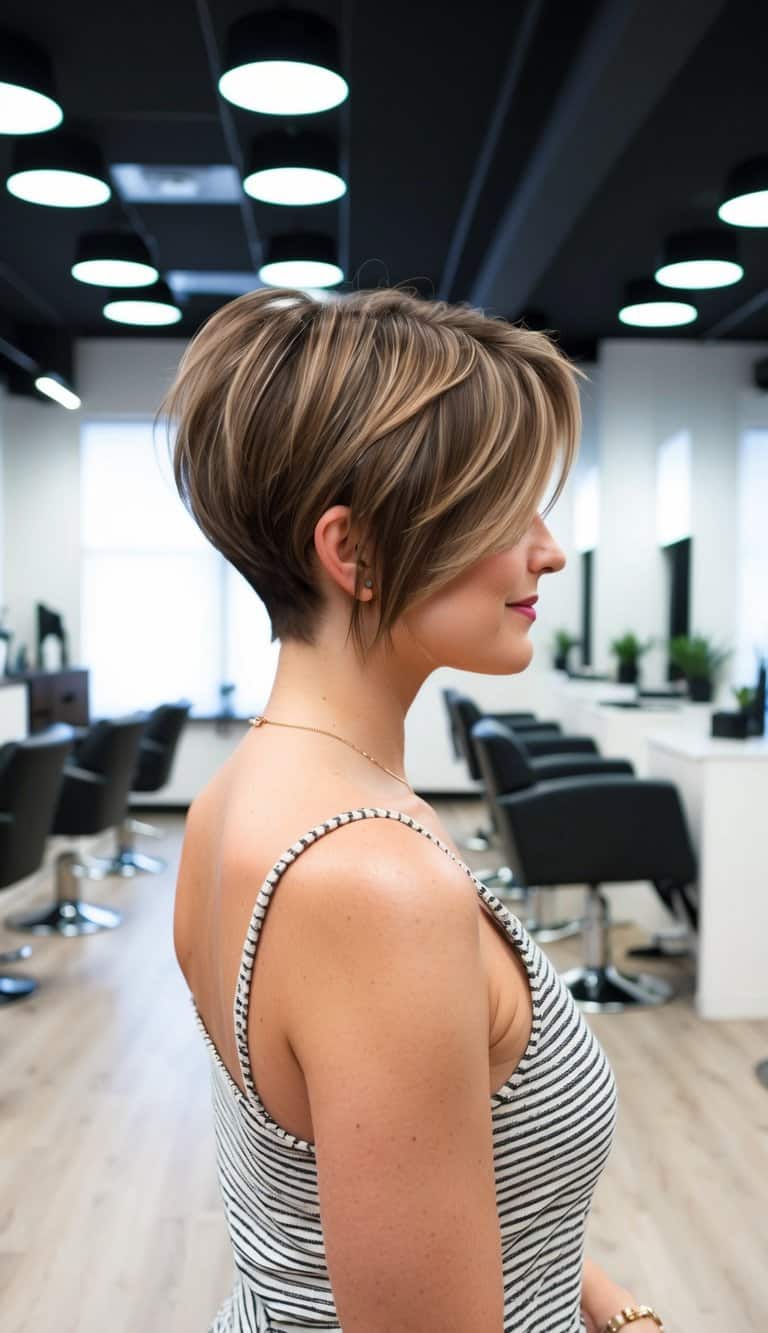
This is the pixie for people with natural curl who’ve been told short hair “won’t work” for them — it absolutely does, and it looks incredible. The curls sit forward into a soft bang at the front and spring naturally through the sides and crown. The key is letting the natural curl pattern lead the shape rather than cutting against it.
Best for: Type 2b–3b curl patterns. The more defined the curl, the more striking this cut becomes.
Styling tip: Apply curl cream on wet hair, scrunch, and diffuse on low heat. Avoid brushing dry — it’ll frizz. Finger-coil any pieces that need definition.
2. Layered Pixie Cut
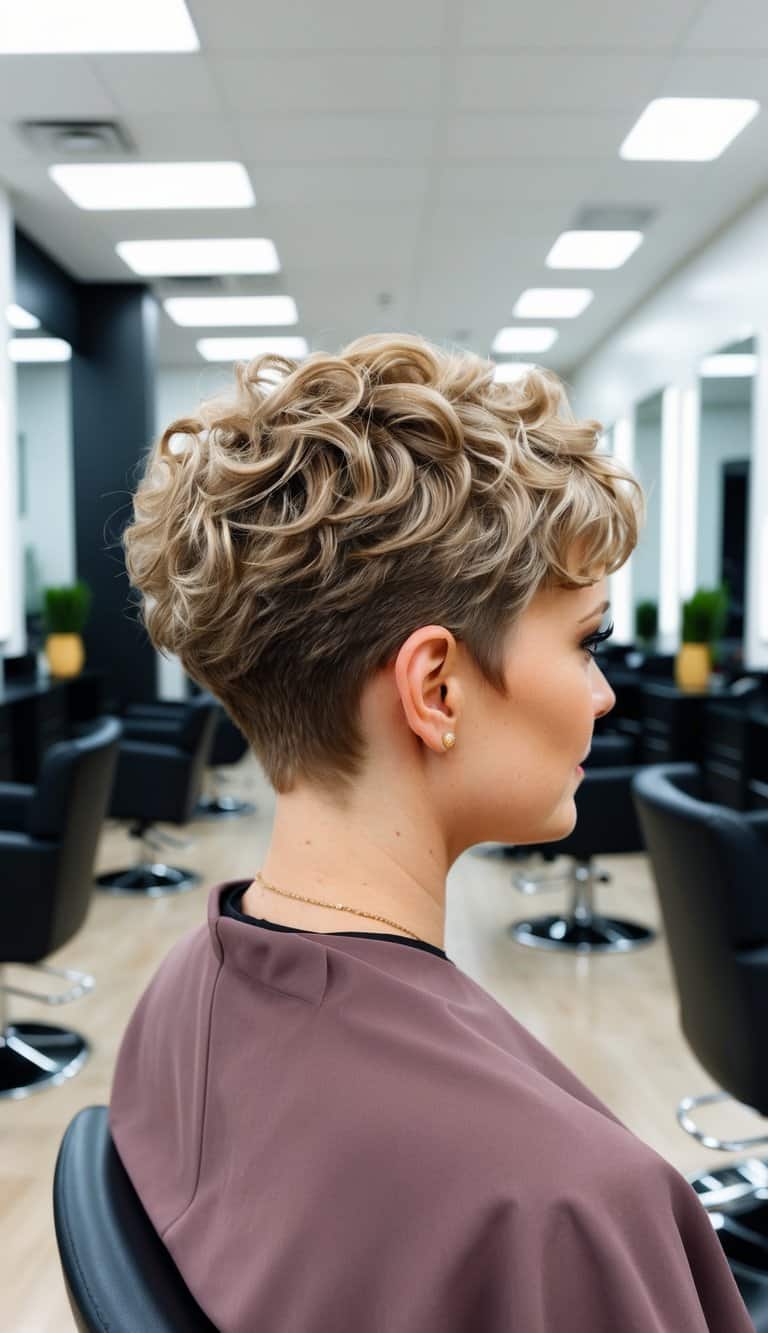
Layers are what turn a pixie from a blunt crop into something with real movement. This version uses internal layering through the top and crown to create lightness, while the perimeter stays close and neat. The result is a cut that lifts off the head naturally and holds shape without needing heavy product.
Best for: Thick or medium-thick hair that tends to sit heavy. Layers take out the bulk while keeping the length on top that gives you styling options.
Styling tip: A small amount of matte paste through dry hair, worked in with fingertips, is all you need. Too much product kills the movement.
3. Textured Pixie Bob
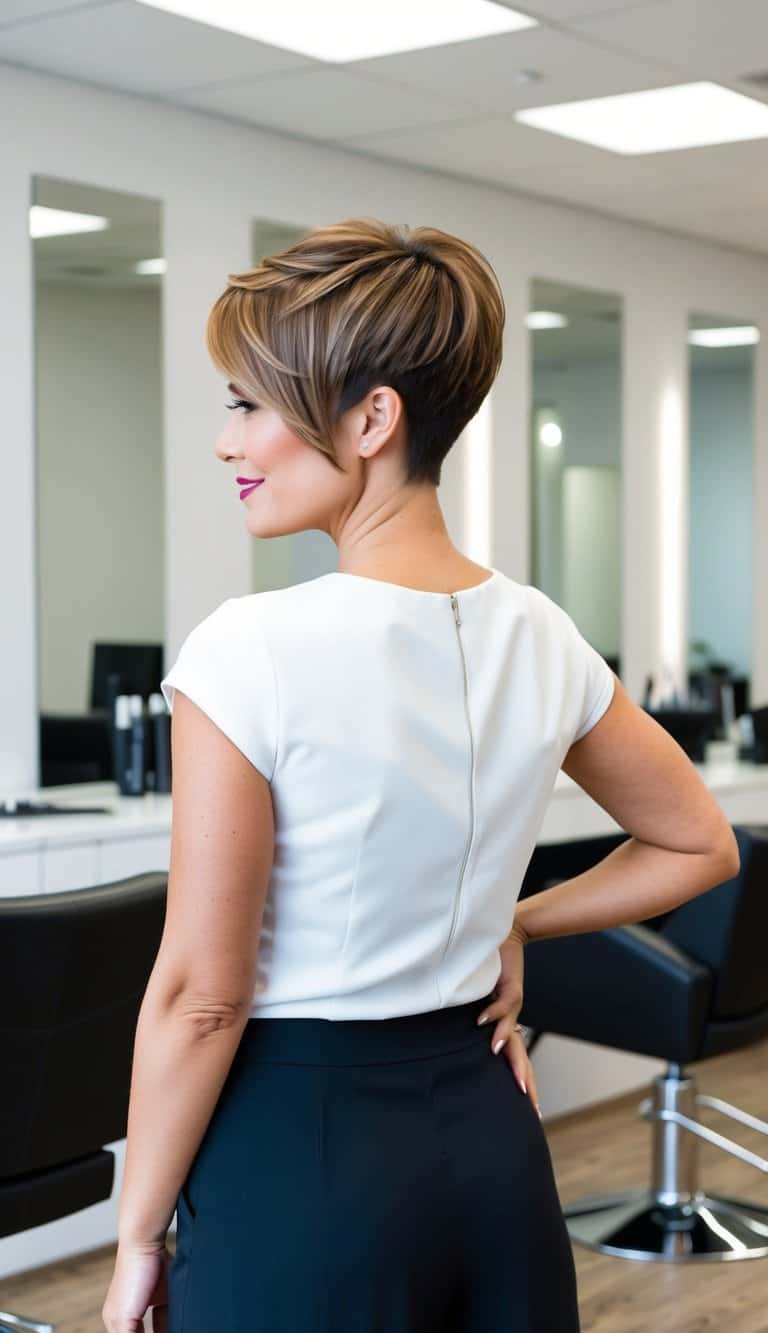
The pixie bob sits somewhere between a pixie and a bob — longer than a traditional pixie through the sides and back, but still short enough to be low-maintenance. The texture in this version comes from point-cutting at the ends and a slight disconnect between the lengths, giving it an undone, modern quality.
Best for: Anyone who wants the pixie experience without fully committing to ultra-short sides. It’s the safer entry point into short hair.
Maintenance: Grows out gracefully into a full bob, so there’s a natural next step if you want to keep going longer rather than trimming it back.
4. Messy Pixie Shag
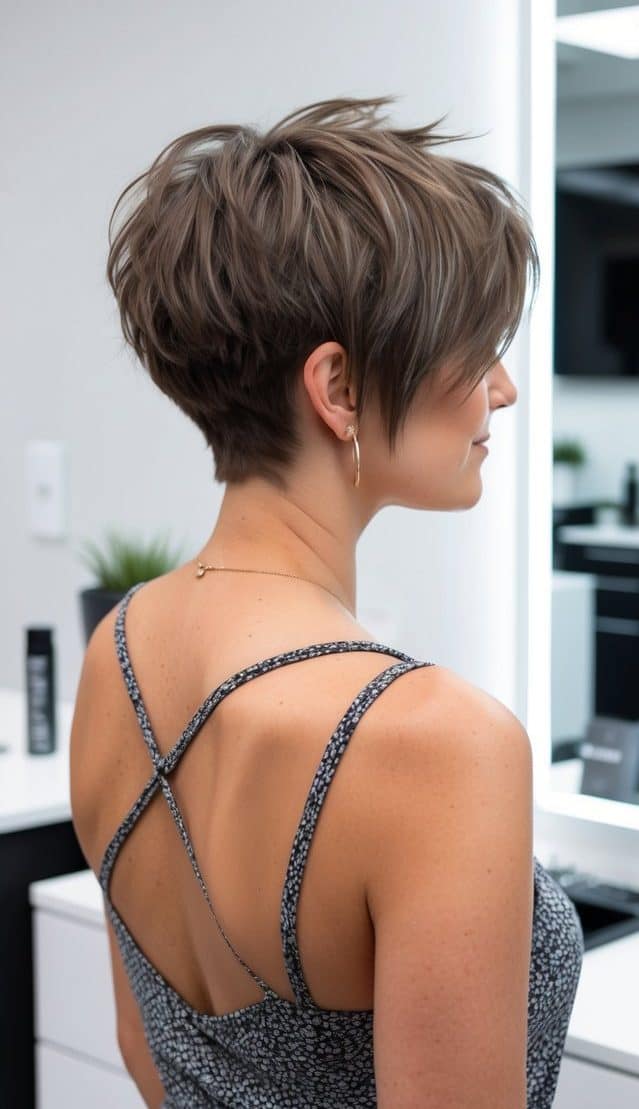
The shag takes the pixie into rockier territory. Lots of layers, wispy ends, sometimes a curtain fringe — the overall effect is deliberately undone and high-texture. It’s a cut that looks better slightly grown out than freshly trimmed, which makes it one of the more forgiving pixie variations for people who don’t want to be at the salon every four weeks.
Best for: People with naturally thick or wavy hair, and anyone whose personal style leans toward edgy or bohemian over polished.
Styling tip: Sea salt spray on damp hair, scrunch, air dry or diffuse. The messier it looks, the better it works.
5. Voluminous Pixie
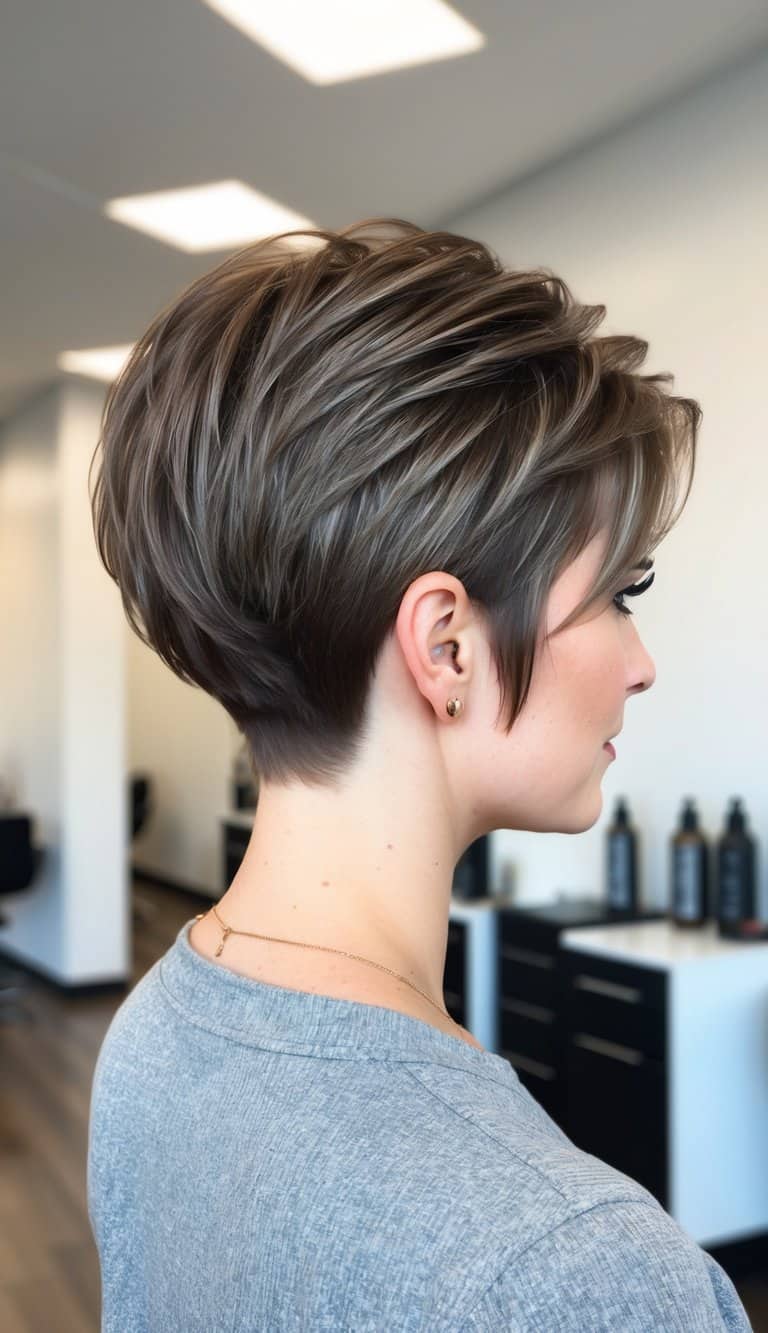
Volume in a pixie comes from the crown — hair lifted high above the head with a round brush or by blow-drying with your fingers pulling upward. This look is a statement: it’s full, confident, and deliberately big. The sides stay close and the volume is concentrated on top, which makes it incredibly flattering on narrow or longer face shapes.
Best for: Long or narrow face shapes that need visual width at the top. Also great for fine-haired people who want the illusion of much more hair.
Styling tip: Blow-dry with a medium-hold mousse for lasting volume. A spritz of flexible hairspray at the roots lifts and holds without stiffness.
6. Asymmetrical Pixie
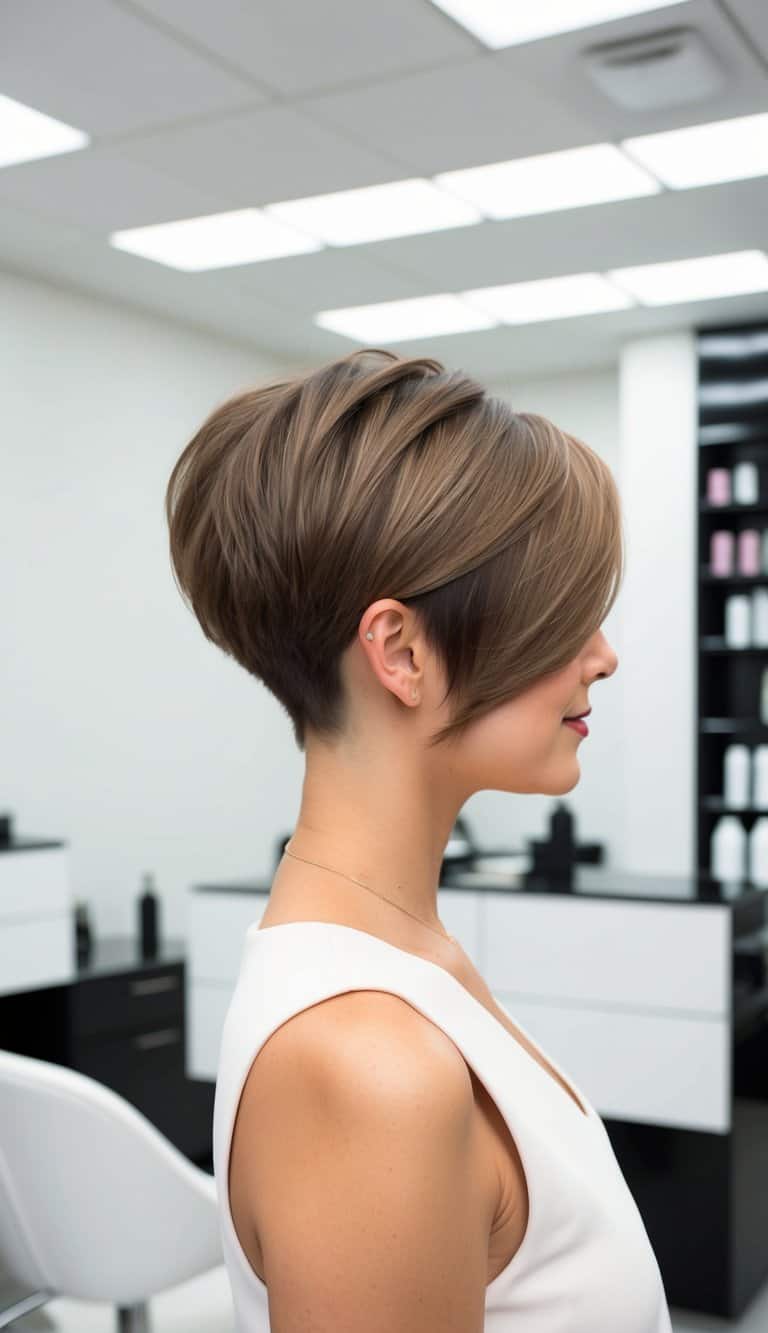
One side longer, one side shorter — the asymmetrical pixie is inherently graphic and striking. The longer side usually sweeps forward or to the side while the shorter side may be tapered or even undercut. The contrast between the two sides creates visual interest that makes the cut feel dramatic even without color.
Best for: Round or square face shapes — the diagonal line of the longer side creates an elongating effect. Bold personalities who want their hair to make a statement.
Styling tip: Let the longer side air-dry into its natural direction. Fighting it with product usually ends in it looking forced.
7. Classic Pixie
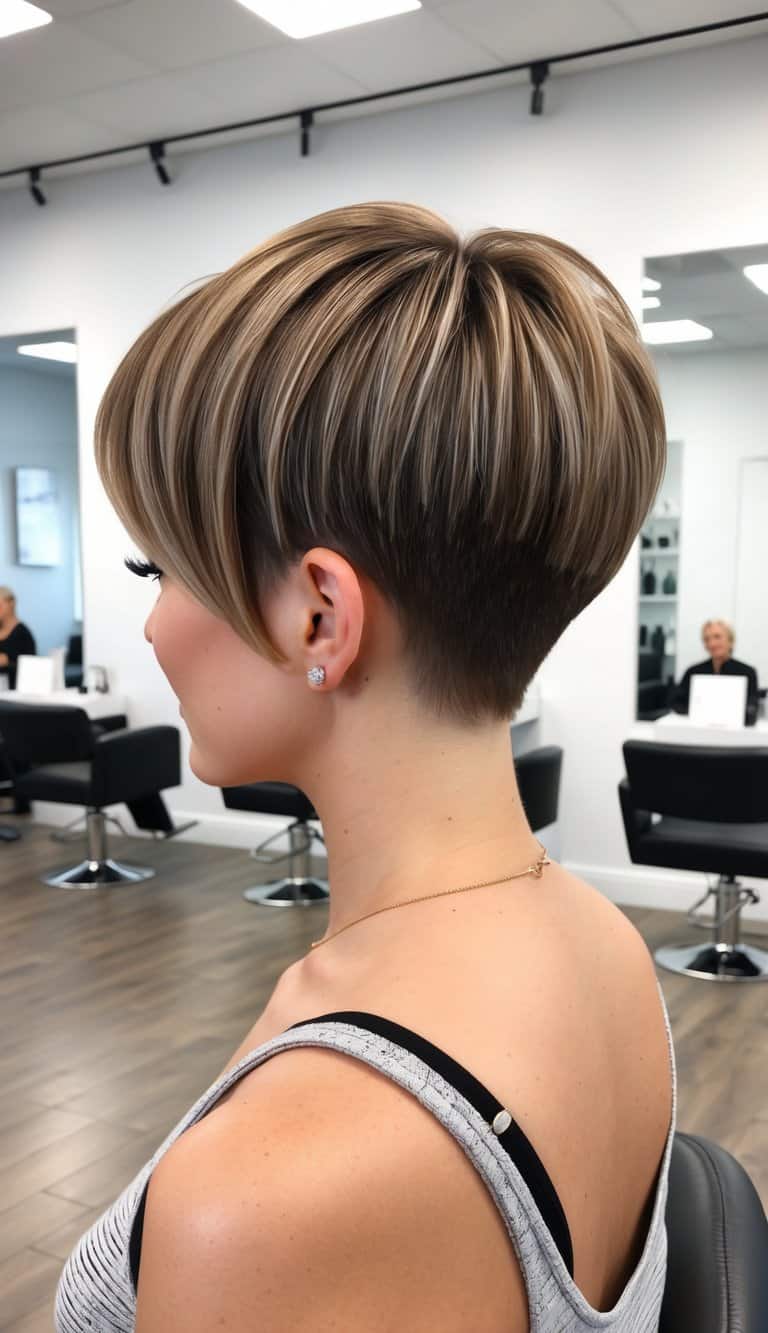
Clean, short, precise. The classic pixie is short all over with a little more length on top to sweep or style. There’s nothing ambiguous about it — it’s one of the most recognizable haircuts in the world, associated with Audrey Hepburn and Mia Farrow and updated by every generation since. Done right on the right person, it’s genuinely timeless.
Best for: Oval and heart face shapes. Strong bone structure — cheekbones and a defined jawline — photograph particularly well with this cut because the shortness puts all focus on the face.
Maintenance: Trim every 4–5 weeks to keep the clean line. This is the highest-maintenance pixie — the shape deteriorates quickly as it grows.
8. Pixie With Soft Curls
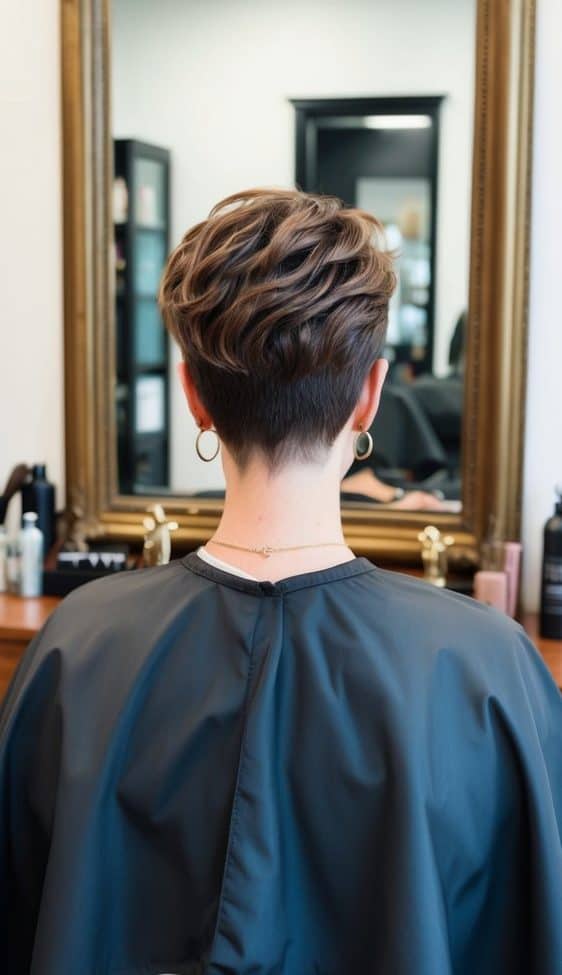
Not the tight spring curl of a curly pixie, but a loose, romantic wave that softens the whole look. This works on naturally wavy hair or on straight hair styled with a small-barrel curling iron. The soft curl on a short cut creates a very different energy — feminine and relaxed rather than sharp and structured.
Best for: People who want a short cut that still reads soft and romantic. Good for occasions where an ultra-short look might feel too harsh.
Styling tip: For straight hair, use a 3/4-inch curling iron and wrap small sections away from the face. Finish with a light-hold flexible spray.
9. Tousled Pixie Cut
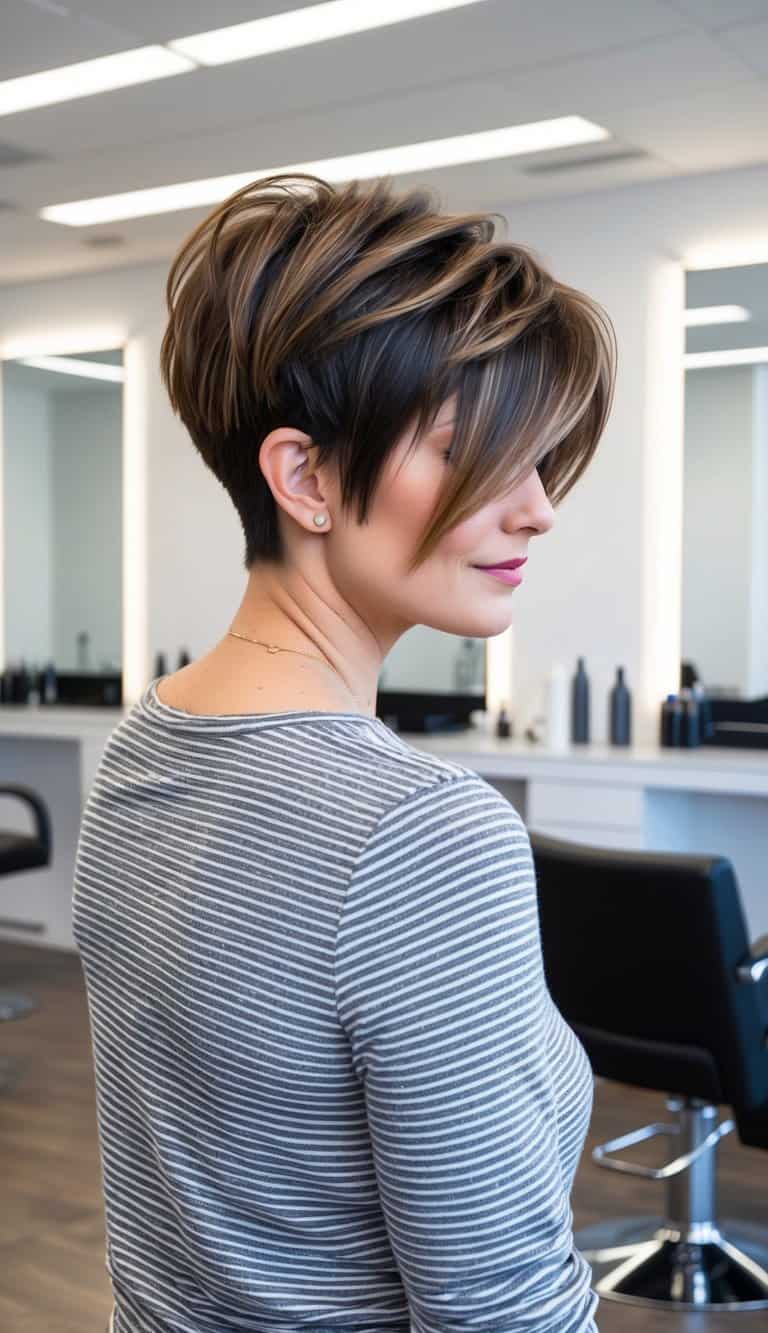
The tousled pixie has the same DNA as the classic, but the finish is deliberately imperfect. Instead of being smoothed into place, the top is pushed forward or to the side with texture paste and left with visible separation between sections. It’s a cut for people who want to look put-together but not manicured.
Best for: Low-maintenance routines. Once you know the technique (paste through fingertips, rough up the roots, done), this takes about two minutes in the morning.
Styling tip: Work a pea-sized amount of matte clay through barely-damp hair, then rough-dry with your hands. That’s genuinely all it takes.
10. Pixie with Side Undercut
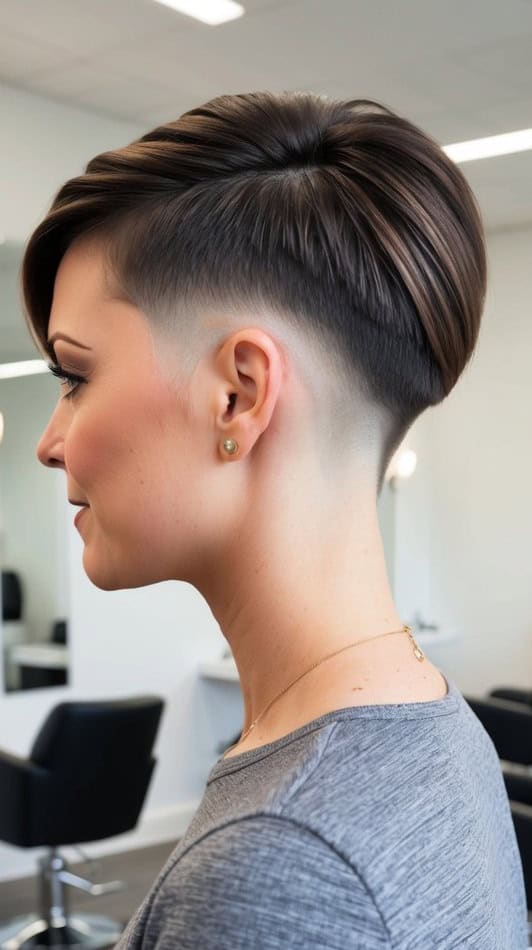
An undercut adds an element of structure and edge to a pixie without changing the overall silhouette dramatically. The clippered section under the longer hair is hidden when the hair falls naturally, but visible when tucked behind the ear or when the wind moves things. It’s a subtle surprise in an otherwise clean cut.
Best for: Anyone who wants something a bit unconventional in a style that still reads professional and neat from most angles.
Maintenance: The undercut section grows out faster than the rest and needs cleaning up every 3–4 weeks. The top can go longer between cuts.
11. Wispy Bangs Pixie
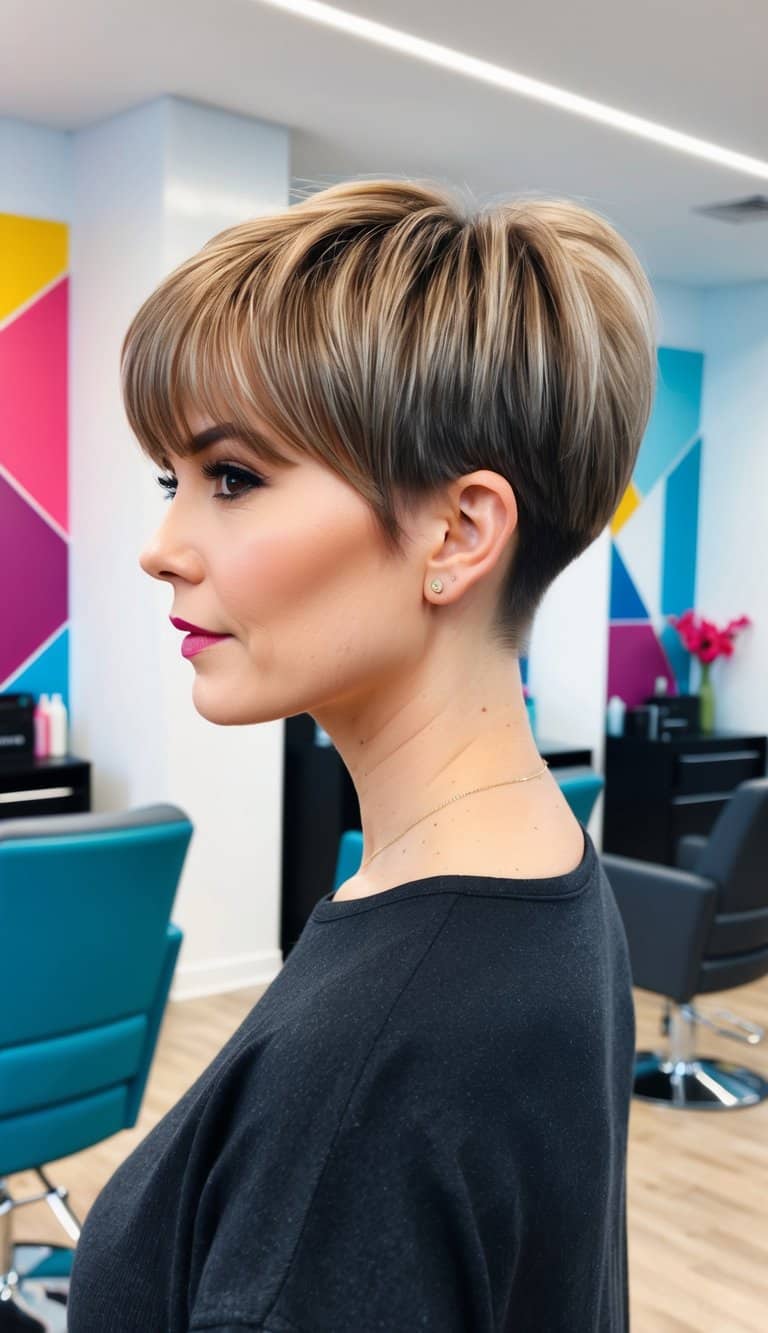
Wispy bangs on a pixie are delicate, face-framing, and much more forgiving than blunt bangs. The feathered ends brush across the forehead lightly and can be pushed to either side or swept straight down depending on the day. They soften the overall look considerably and work on almost every face shape.
Best for: People who are nervous about full pixie commitment but want a soft, flattering frame for the face. Also good for those with high foreheads who want some coverage.
Styling tip: A light hold serum brushed through the bangs keeps them from getting wispy in humidity. Avoid heavy products — they’ll make wispy look greasy.
12. Short Pixie with Highlights
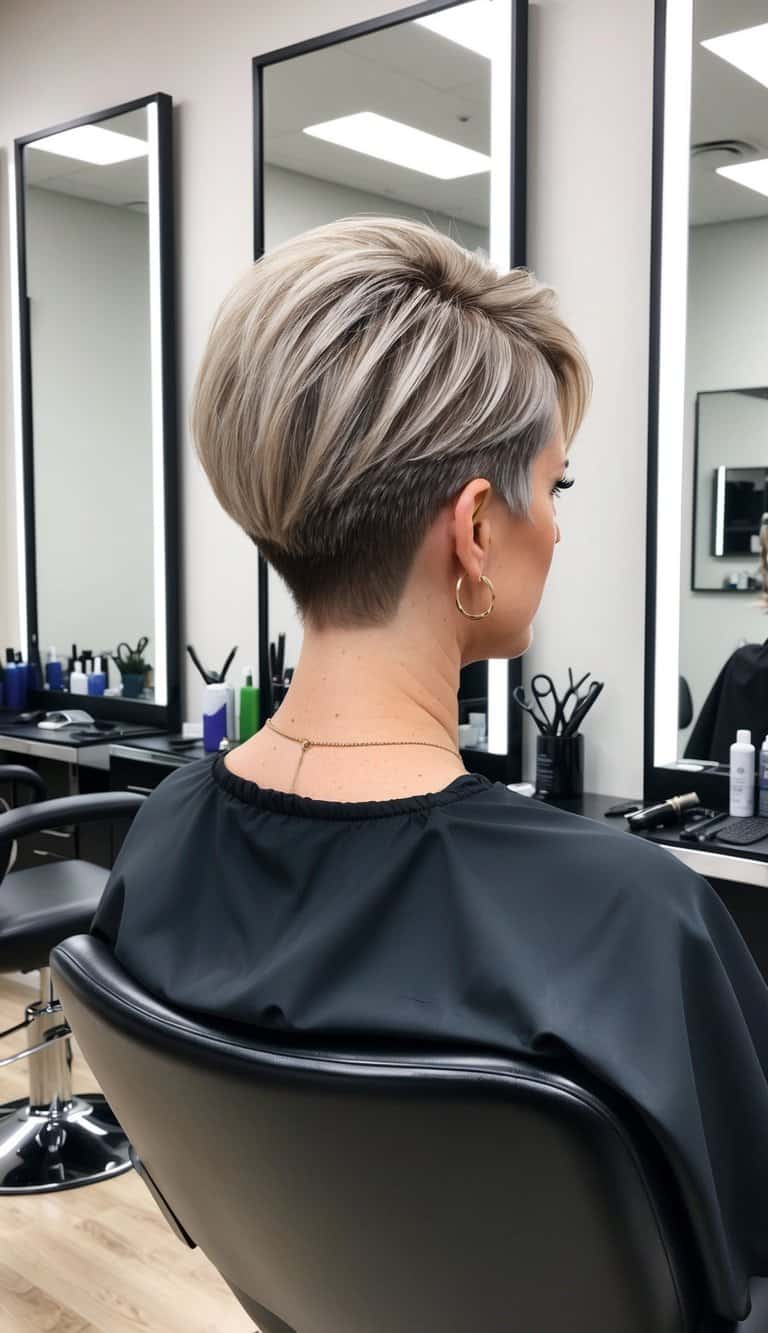
Color and texture work together in this version — the highlights create the illusion of dimension and movement even before you’ve added any product. Chunky or fine, highlights in a pixie pick up light through the crown and tips in a way that makes the cut look more complex than it is. A base color plus two or three tones of highlight is all you need.
Best for: People with darker bases who want to add brightness without committing to an all-over color change. Also a way to test the waters on going lighter.
Maintenance: Touch up highlights every 8–10 weeks. Short hair shows regrowth faster than long hair, so staying on schedule matters more here.
13. Blunt Bangs Pixie
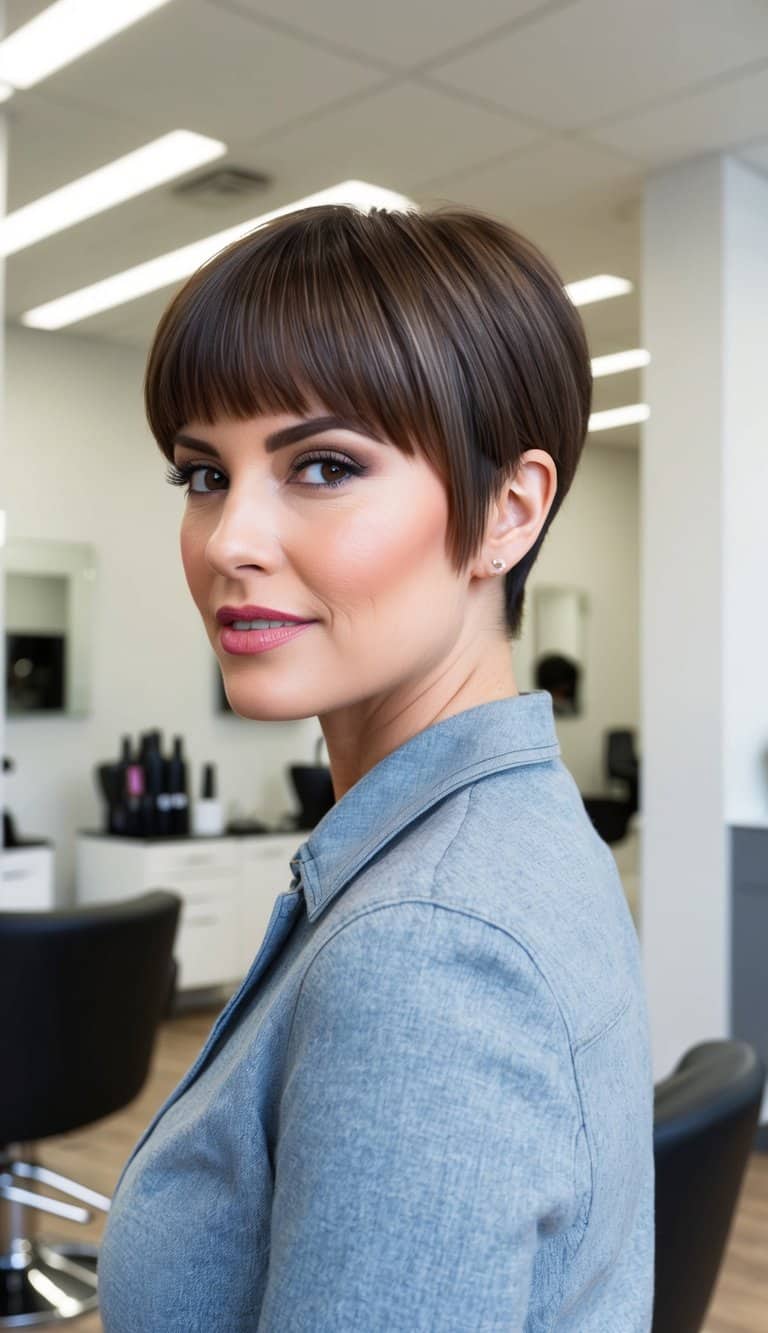
Blunt bangs on a pixie are a commitment within a commitment — and they’re spectacular. The clean horizontal line of a blunt fringe creates a graphic, deliberate look that pairs beautifully with the short sides of a pixie. Think early-60s French actress energy, but modern and relevant. The key is keeping the bangs cut just above or at the brow — too long and they look heavy, too short and they look severe.
Best for: Straight or slightly wavy hair. Blunt bangs on curly hair require a lot more work to maintain their shape.
Maintenance: Bangs need trimming every 3–4 weeks — they grow faster than the rest of the cut and losing the clean line loses the whole effect.
14. Peek-a-Boo Highlights Pixie
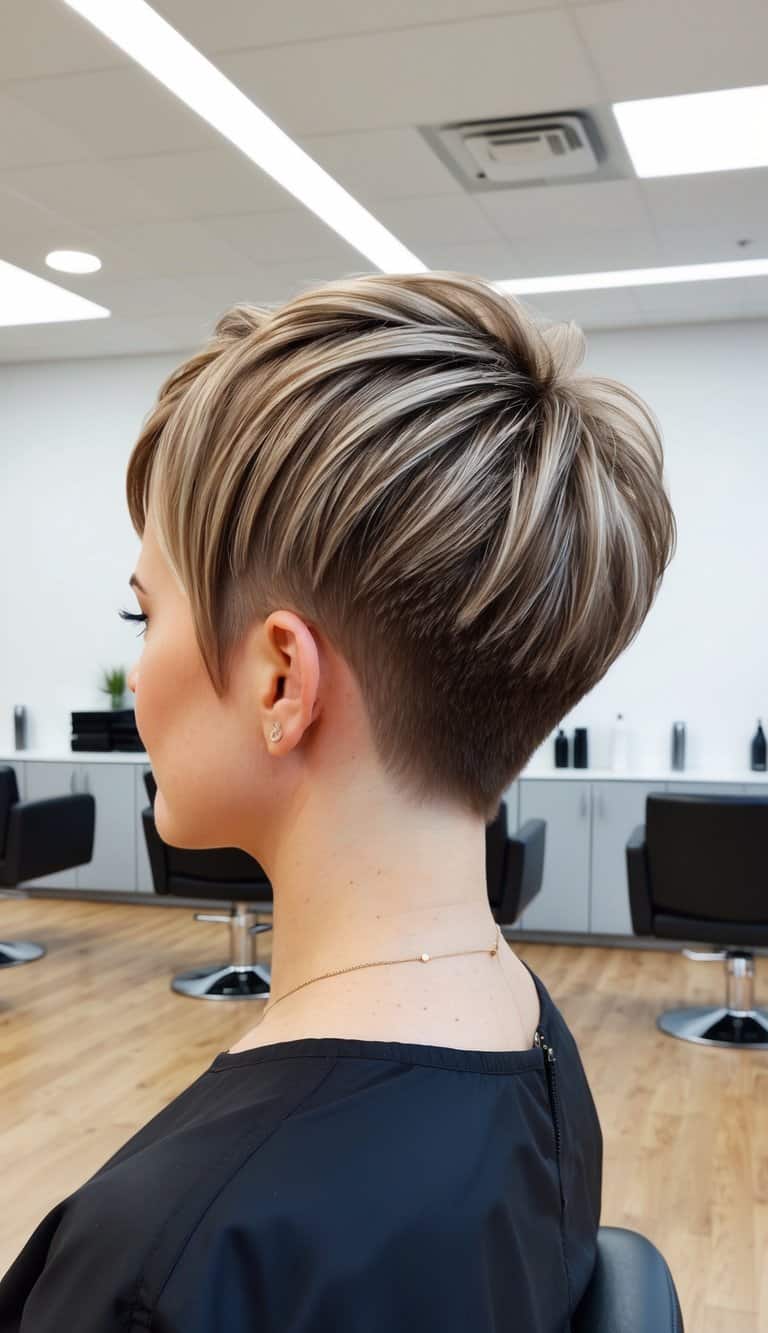
Peek-a-boo highlights are placed underneath the top layer so they show only when the hair moves — through the nape, under the crown, or along the interior sections. On a pixie, the effect is subtle and playful: a flash of color when the wind moves things, hidden the rest of the time. It’s a way to have fun with color without it being the first thing someone sees.
Best for: Work environments where very visible color isn’t appropriate, but you still want something interesting going on in your hair.
Styling tip: Choose a highlight color that contrasts noticeably with your base — the subtlety comes from placement, not from matching the tones closely.
15. Pixie with Tapered Neck
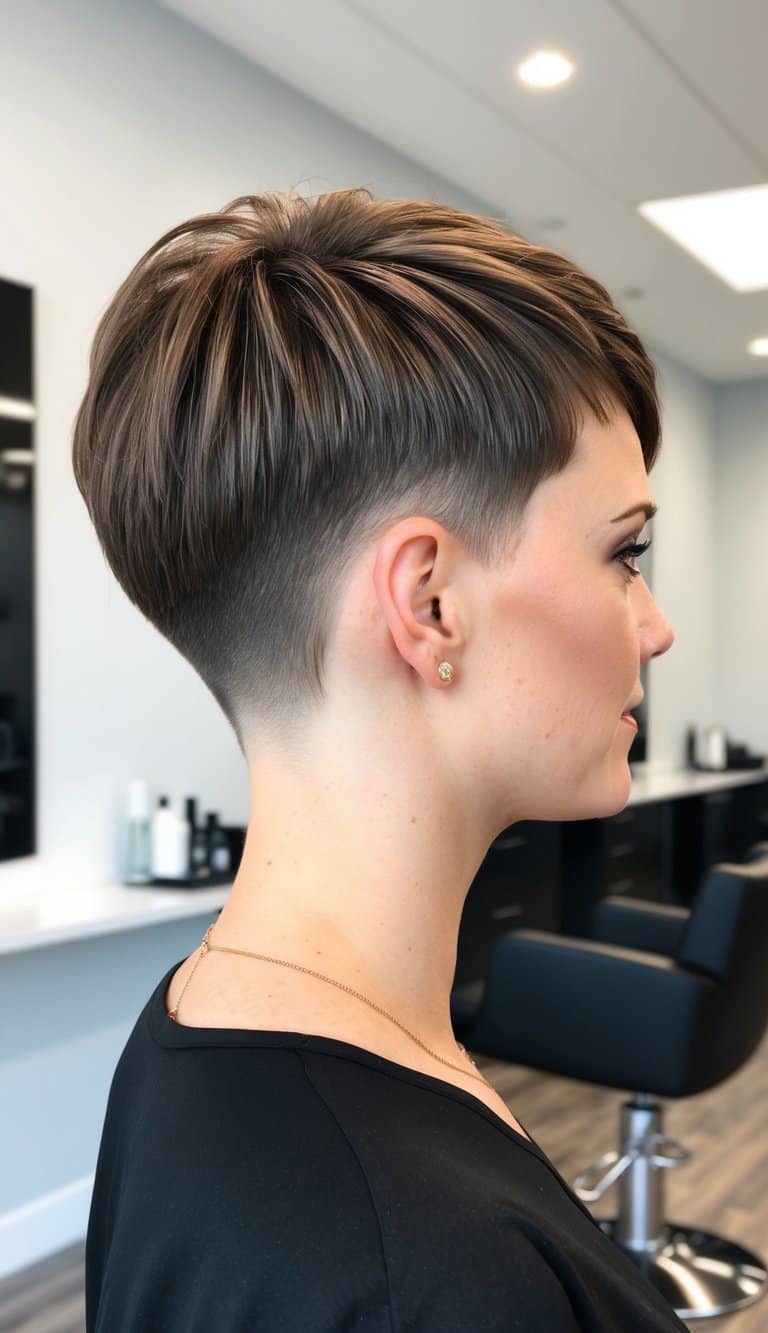
The tapered neck is a finishing detail that elevates a pixie from a basic short cut to something precise and deliberate. The nape is clipped close and fades naturally up the back of the head, following the natural hairline. It’s extremely clean from behind, which matters a lot more in short hair than in long — because the back is visible constantly.
Best for: People who want a polished, professional finish. If you care about what your hair looks like from the back (and with short hair, you should), this is the detail that makes the difference.
Maintenance: The taper grows out quickly and blurs after about 3 weeks. Plan salon visits accordingly.
16. Jet Black Pixie
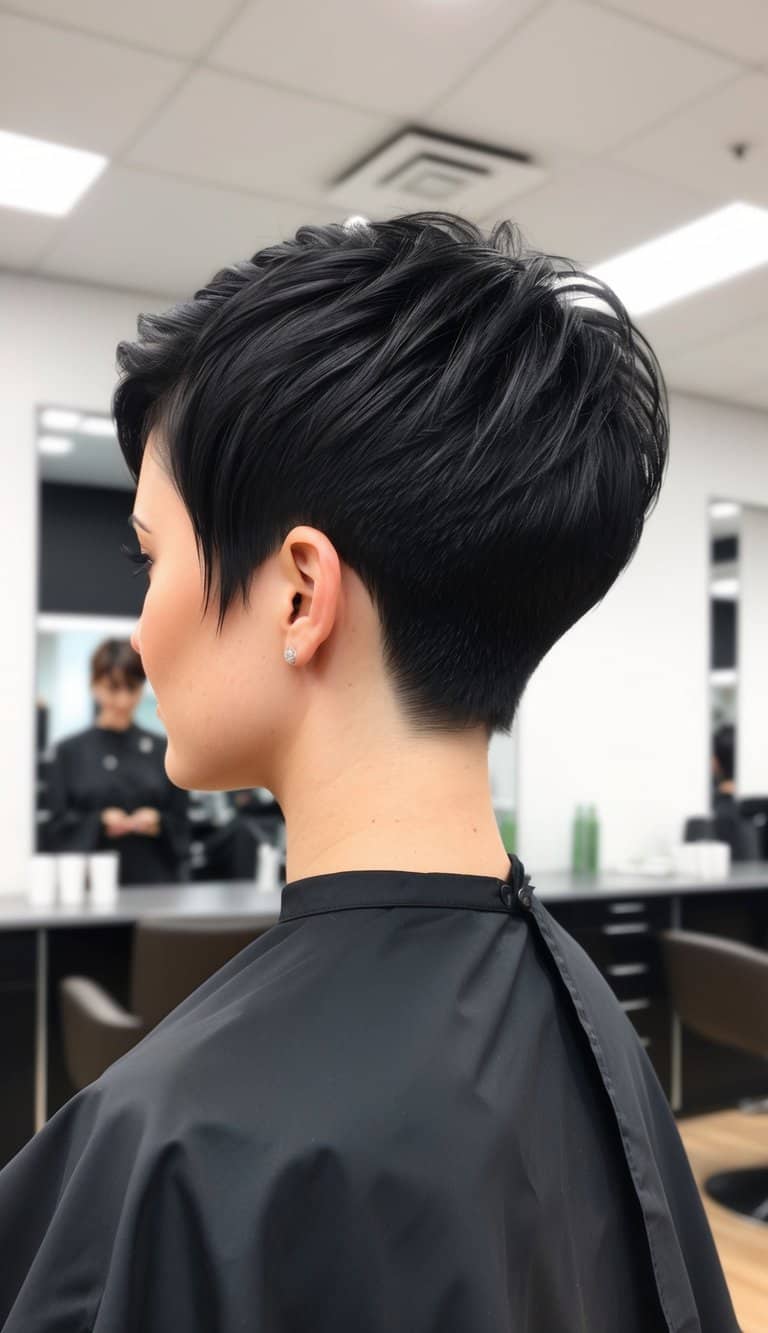
Color makes a cut read completely differently, and jet black on a pixie is probably the most dramatic demonstration of that. The deep, lacquered darkness emphasizes every line and makes the structure of the cut look incredibly precise. Straight hair absorbs and reflects light differently in black — it looks almost lacquered in sunlight, which is genuinely striking.
Best for: Bold, strong personal styles. High contrast skin tones (very pale or very deep) where the black lands dramatically rather than looking harsh.
Maintenance: Black fades slowly compared to other colors, but when it does, it goes slightly reddish or green depending on the formula. A color-depositing black conditioner used weekly extends the depth.
17. Icy Blonde Pixie
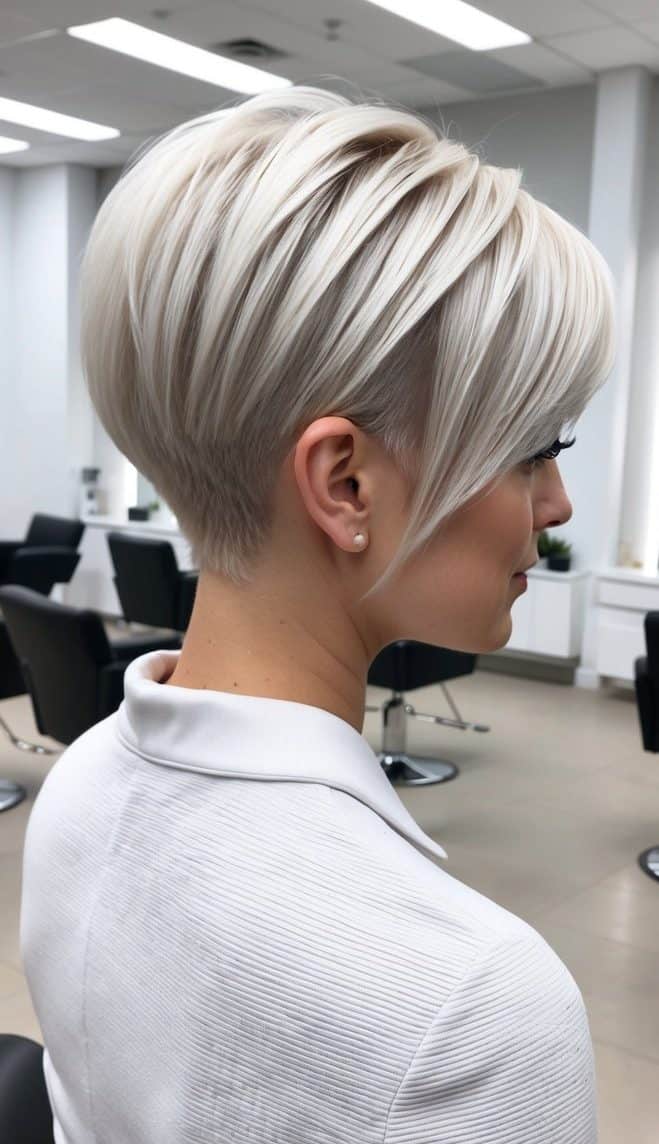
The coolest end of the blonde spectrum — silver-adjacent, almost white. On a pixie, icy blonde is striking because there’s no length to dilute it. Every inch of the cut is that color. The result is something that photographs memorably and turns heads in person. The commitment required to achieve and maintain true ice blonde is significant, but the result is unlike anything else.
Best for: Cool or neutral skin tones. Very warm complexions can struggle with icy blonde — it can wash you out completely. If in doubt, try a platinum blonde test swatch first.
Maintenance: Purple shampoo twice weekly minimum. Toning appointment every 4–6 weeks. Bond treatments to keep the bleached hair intact.
18. Warm Auburn Pixie
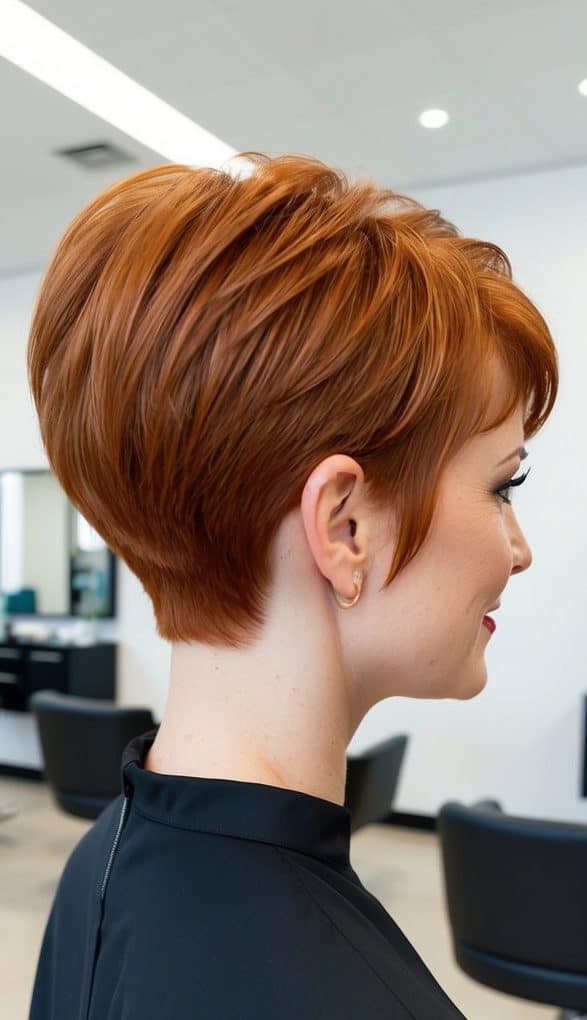
Auburn is one of those colors that looks expensive without actually being expensive to maintain. On a pixie, the warm red-brown hits differently in every light — deep and rich indoors, almost copper in direct sunlight. The warmth of the tone is flattering across a wide range of skin tones, which is part of why auburn is having such a sustained moment in hair color.
Best for: Warm, golden, and medium complexions. Also beautiful on people with green or hazel eyes — the warm color creates a contrast that makes eyes pop.
Maintenance: Red tones fade faster than brown or blonde. A color-depositing auburn conditioner used every other wash significantly extends the life of the color.
19. Textured and Tapered Pixie
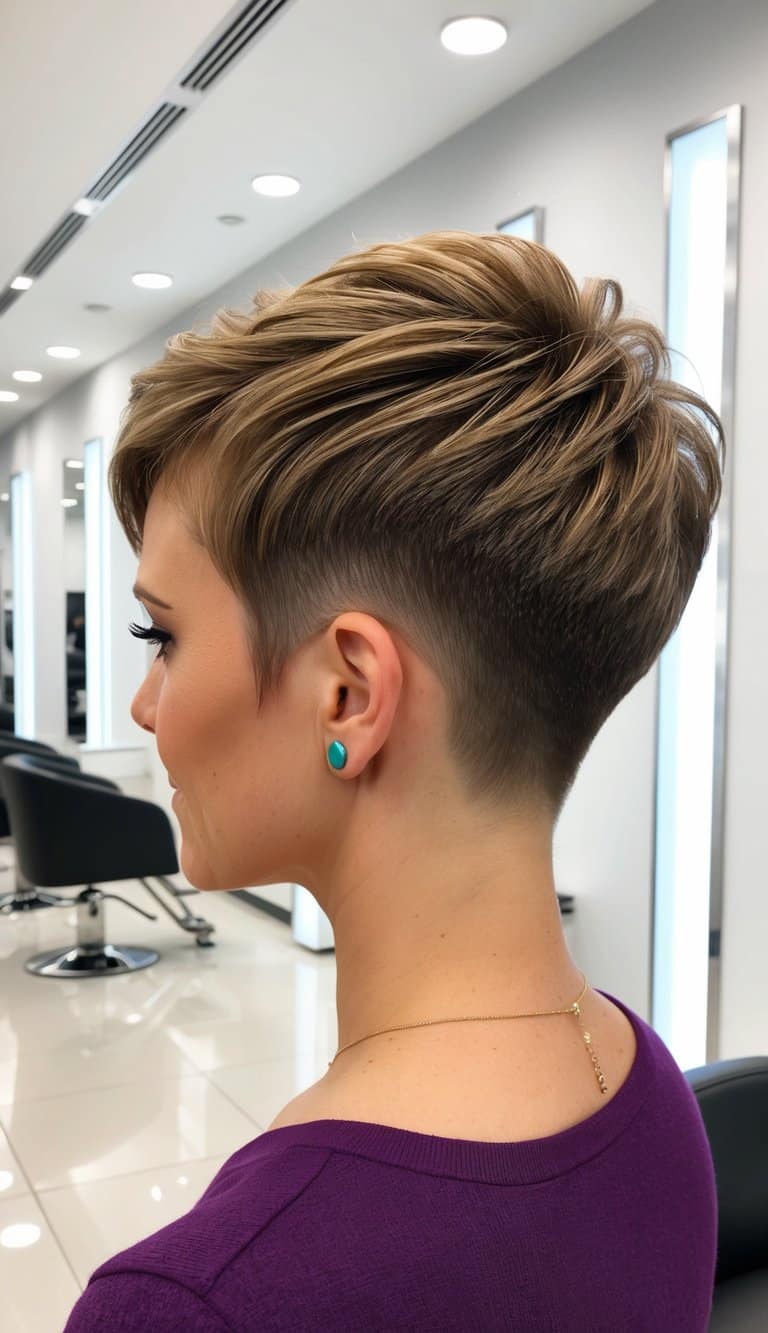
The combination of texture on top and a clean taper on the sides and back is one of the most balanced pixie formulas. The texture gives the crown volume and personality while the taper keeps everything precise and contained. It’s a cut that reads structured from a distance and interesting up close — the best of both.
Best for: Most face shapes and hair types. This is the safest “first pixie” suggestion because it’s balanced, versatile, and adapts well to different styling approaches.
Styling tip: A light to medium-hold paste through the top with some finger-separation is the classic approach. For more polish, use a comb instead of fingers.
20. Pixie with Textured Ends
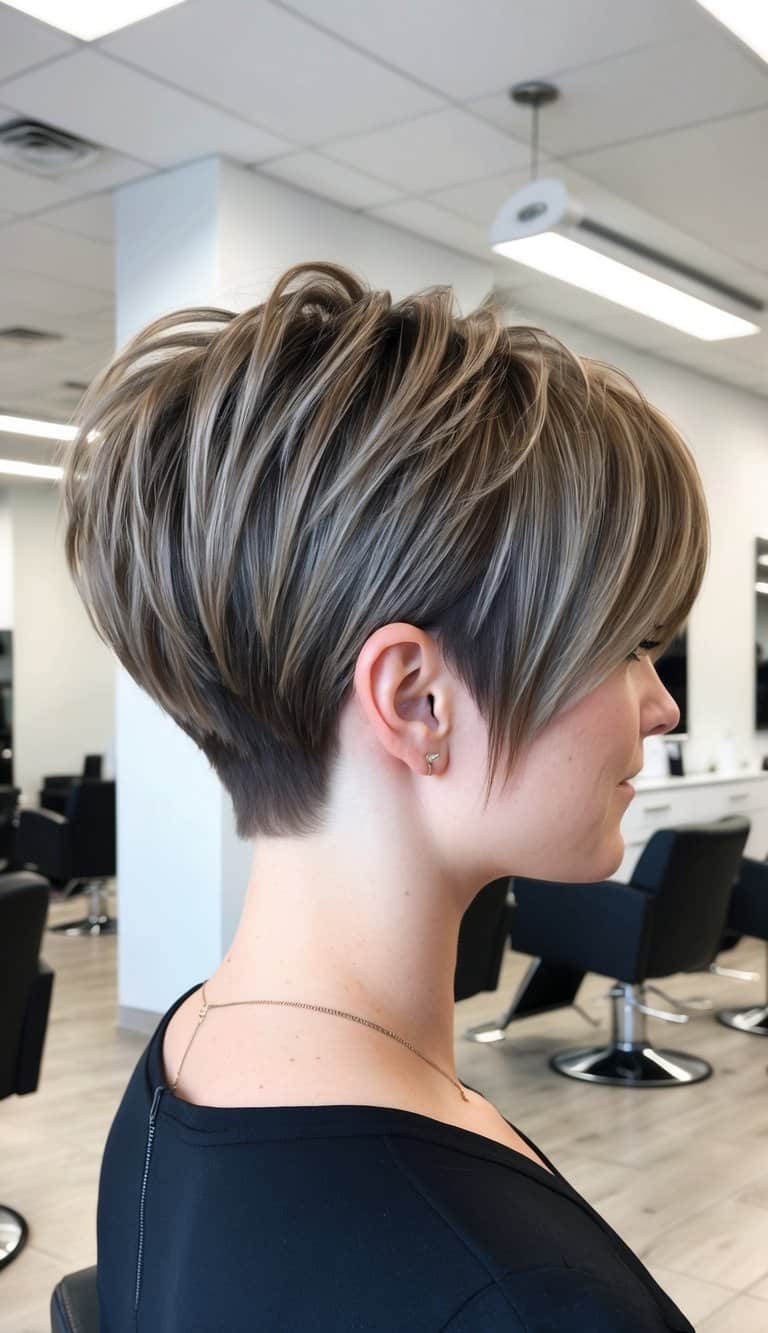
Point-cutting the ends — snipping into them at an angle rather than straight across — creates a jagged, lightweight finish that moves differently than a blunt cut. This technique removes weight from the tips and creates that piece-y, almost feathered appearance at the ends. On a pixie, it keeps the cut from looking too structured or severe.
Best for: Anyone who finds clean-cut pixies too neat or corporate-feeling. The textured ends add an element of nonchalance that changes the whole energy of the style.
Styling tip: Texturizing spray is your best friend here. Spray in, scrunch through the ends, and let it air dry for the most natural version of this look.
21. Golden Blonde Pixie
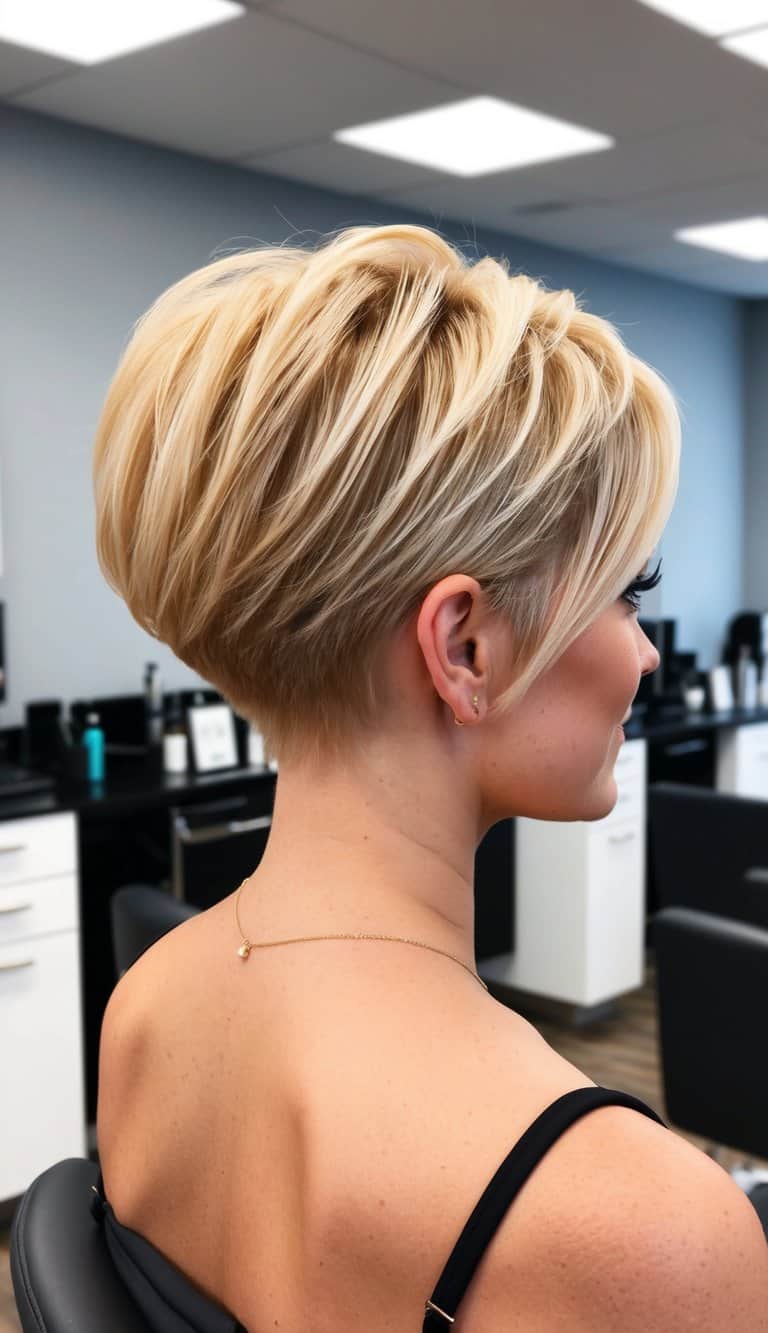
Golden blonde sits in the warmest zone of the blonde family — yellow-toned, sun-kissed, and genuinely glowy. On a pixie, the short length means every piece catches the light and the warmth reads all over, not just in a few highlighted sections. The result feels naturally sun-bleached rather than colored, especially if the roots are kept slightly darker for depth.
Best for: Warm and neutral skin tones. If you’ve been cool blonde and felt a little washed out, golden blonde on a pixie often fixes that completely.
Maintenance: Skip purple shampoo with this color — it will fight the golden tone. Use a hydrating, color-safe shampoo and a warm-toned gloss every 6 weeks.
22. Pixie with Lengthy Bangs
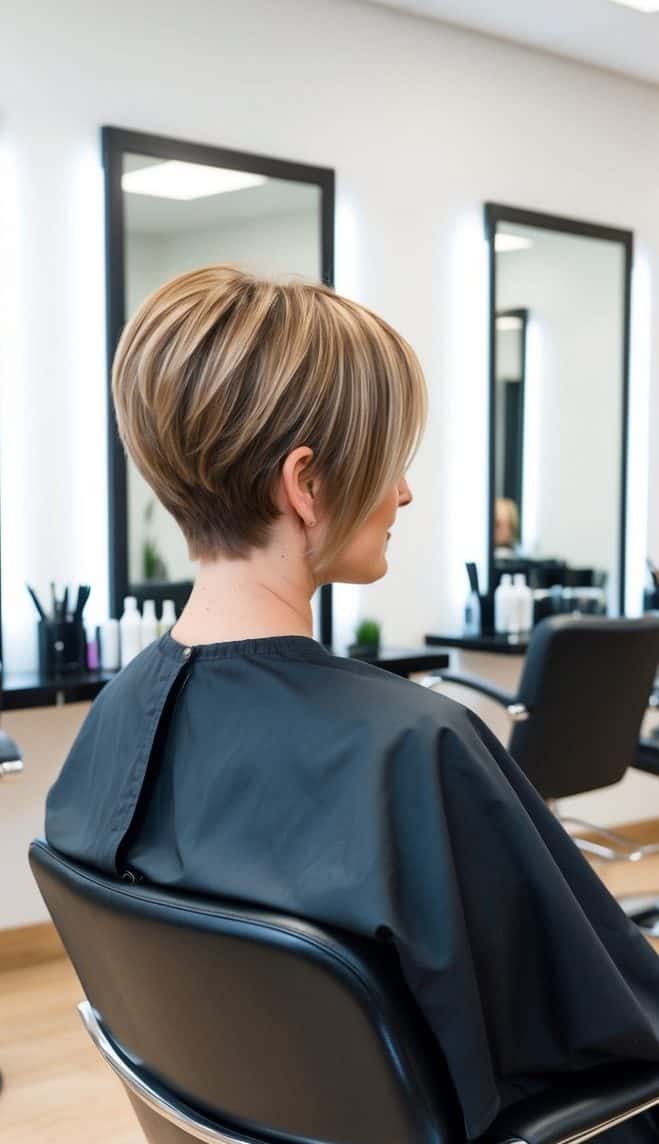
Long bangs on a short cut create an interesting contrast — the front is longer and can be pushed to the side, tucked behind an ear, or left to fall forward, giving you some styling flexibility that most pixies don’t offer. The rest of the cut stays short and the longer bangs become the focal feature of the whole look.
Best for: Anyone transitioning from longer hair who isn’t quite ready to lose the ability to move their bangs around. Also great for heart face shapes where the longer front section balances a wider forehead.
Styling tip: A small amount of smoothing serum through the bangs and a light sweep with a flat brush is all you need to control the length without making it look heavy.
23. Tousled Pixie Bob
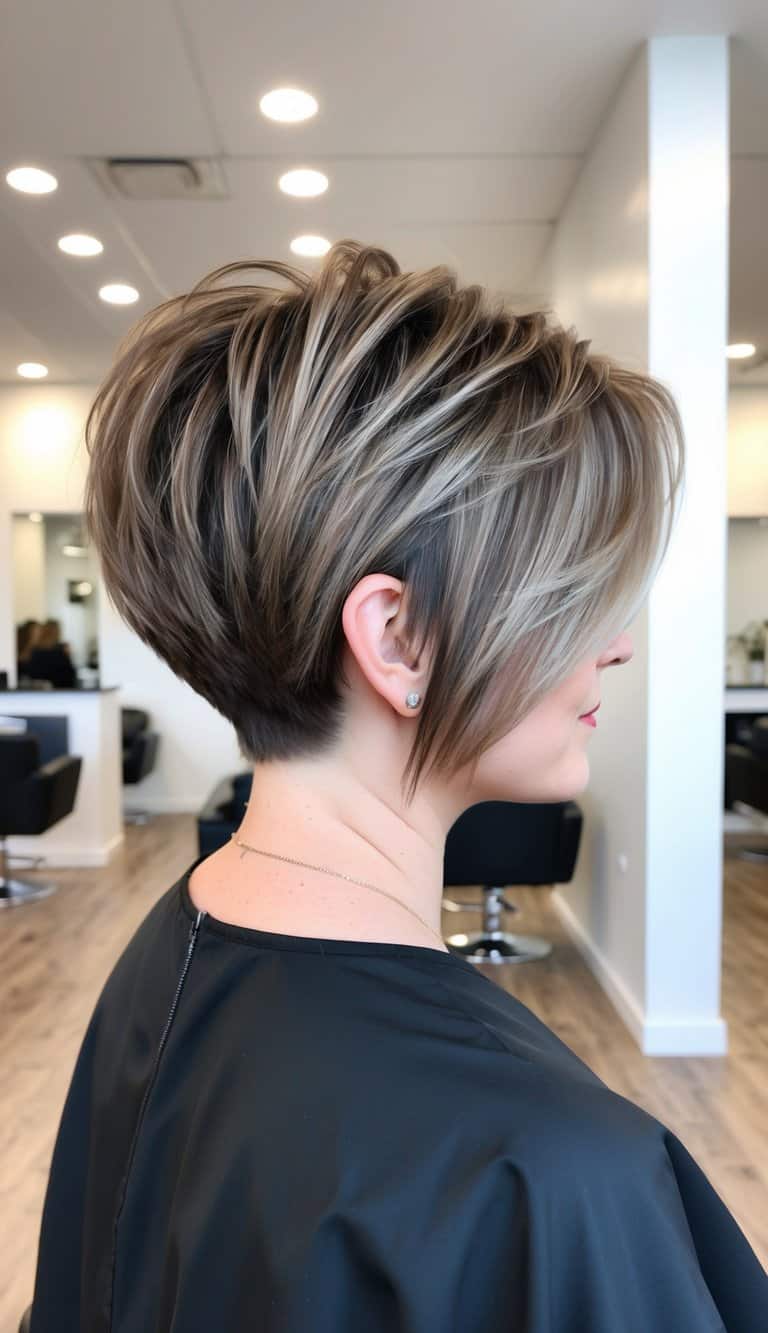
The pixie bob, styled with deliberate texture and slight dishevelment, manages to be both casual and chic at the same time. The length sits just below the ear or along the jaw, and the tousled finish with visible texture keeps it from reading too polished or corporate. It’s one of those cuts that looks good at a brunch, at an office, and at a concert.
Best for: People who want maximum versatility from short hair — enough length to tuck behind an ear or clip up, short enough to stay out of the way without effort.
Styling tip: After blow-drying rough, work a small amount of texture paste through dry hair and shake everything loose. Don’t overwork it — the looseness is the point.
How to Care for a Pixie Cut
Pixie cuts are wash-and-go by reputation, but they require some specific care to actually look good every day:
- Invest in a good stylist: Short haircuts show every imperfection in the cut far more than long hair does. A great haircut on a pixie is non-negotiable — a mediocre one is obvious immediately.
- Trim on schedule: Most pixie cuts need trimming every 4–6 weeks. Waiting 8 or 10 weeks means weeks of the cut looking shaggy and undefined.
- Use the right products for your texture: Fine hair needs volume-building products (mousse, root lifter). Thick hair needs smoothing products (light serum, cream). Curly hair needs curl-defining products (curl cream, gel). Using the wrong product category is the most common reason a pixie doesn’t look the way you expect.
- Protect color aggressively: Short hair shows fading and warmth more noticeably than long hair because there’s no length to dilute the effect. Color-safe shampoo and regular toning are more important at short lengths.
- Keep a dry shampoo nearby: Even at short lengths, day-two hair can look flat at the roots. A quick shot of dry shampoo and a rough-up with fingertips brings it back.
Frequently Asked Questions
Will a pixie cut suit my face shape?
Almost every face shape can wear some version of a pixie — the key is choosing the right variation. Oval faces are the most flexible and can wear any pixie. Round faces do best with height on top and close sides. Square faces benefit from soft texture that breaks up strong angles. Heart faces work well with bangs that balance the forehead. Long faces need width through the sides, not height. Bring your face shape to your consultation and ask your stylist specifically which pixie variables work for you — length on top, bang style, nape shape, and side length all affect how the cut reads on different face shapes.
How long does a pixie cut take to grow out?
A full pixie typically takes 12–18 months to grow into a shoulder-length bob, depending on your natural growth rate. The awkward phase (usually around 3–6 months in) is when the sides are long enough to look shaggy but not long enough to tuck behind the ear. Many people navigate this with a pixie bob transition cut — ask your stylist to help you plan a grow-out strategy at your next appointment rather than just letting it go.
What products do I actually need for a pixie cut?
One good texturizing or styling product is enough for most pixie styles. A matte paste or clay works for most textured looks. A smoothing cream or light serum works for sleek, polished styles. Curl cream works for curly pixies. Beyond that: dry shampoo for day two, a light-hold spray for finishes that need to last, and a heat protectant if you’re using any tools. You don’t need a full shelf — you need the right two or three products for your specific texture and style.
Can I get a pixie cut if I have thick hair?
Absolutely — thick hair often produces some of the best pixies because it holds shape naturally and has volume without needing much product. The approach is different though: your stylist will need to use internal layering to remove weight and prevent the cut from looking puffy or mushroom-shaped. Ask specifically for a disconnected or internally layered pixie rather than a blunt all-over short cut, and the thickness becomes an asset rather than a problem.
Final Thoughts
A pixie cut is one of the most personal haircut decisions you can make. It changes your face in ways that longer hair doesn’t, and it requires a level of confidence in the styling that takes a few weeks to develop. But once you find your version of it — your cut, your texture finish, your right product — it becomes one of the simplest and most consistently great hair situations to be in.
Use these 23 ideas as a starting point and a conversation guide with your stylist. Don’t just show one photo and say “I want this.” Show two or three that share something in common — the bang style you like, the texture level you want, the length on top — and let your stylist translate that into what works specifically for your hair. That’s where the best results actually come from.


