23 Pixie Cut Hairstyle Ideas: Chic and Easy Looks for Every Face Shape
The pixie cut is one of the most transformative decisions in hairstyling — a choice that simultaneously reveals the face in its entirety, communicates confidence and personal style with extraordinary clarity, and liberates the wearer from the daily routine of managing long hair. Despite being defined by its short length, the pixie is anything but a single, monolithic look: it encompasses curly variations with bangs, architectural asymmetrical cuts, soft and romantic versions with wispy fringe, bold jet black statements, and everything in between. The pixie’s appeal cuts across face shapes, hair textures, and personal aesthetics, making it one of the most democratically versatile haircuts in the contemporary style vocabulary.
These 23 pixie cut hairstyle ideas explore the full creative range of what a short cut can achieve — from the playfully textured to the classically sleek, from the dramatically colored to the naturally beautiful.
23 Pixie Cut Hairstyle Ideas
1. Curly Pixie with Bangs
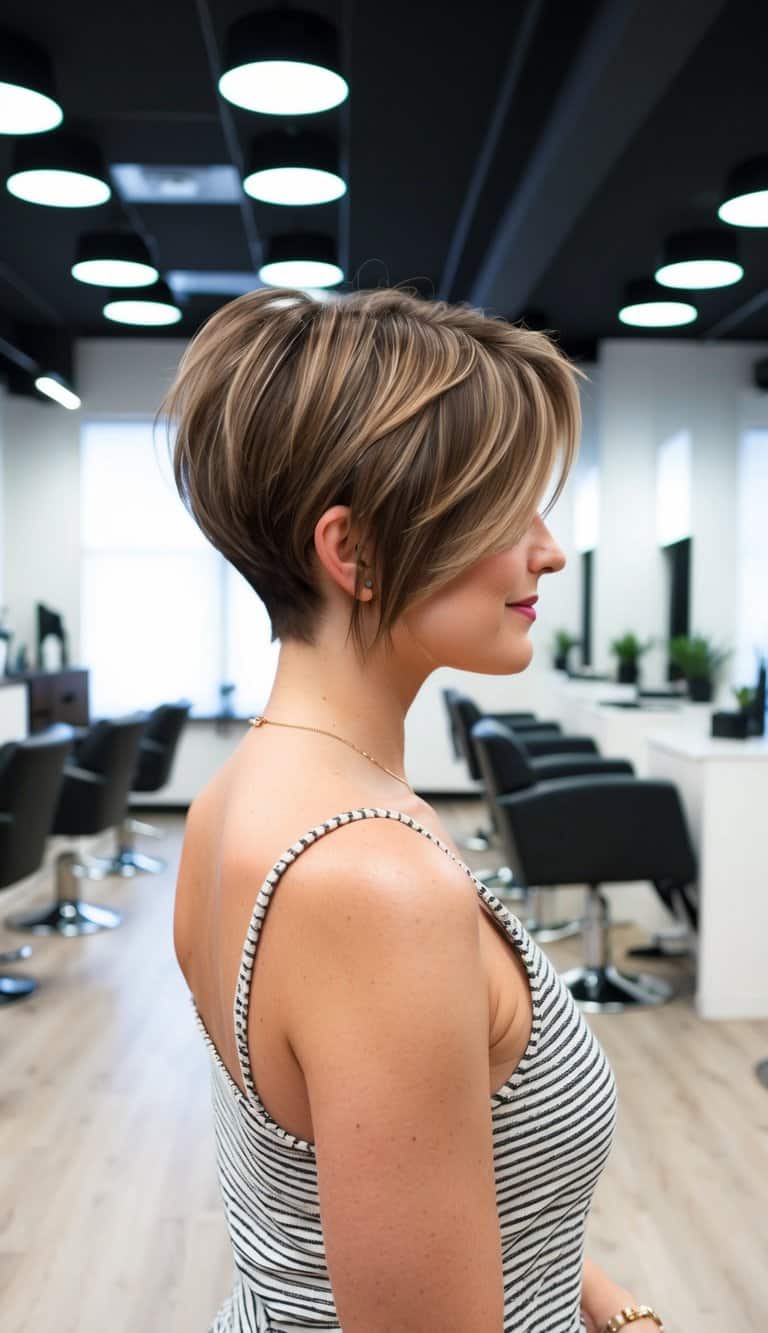
The curly pixie with bangs is one of the most charming and personality-filled interpretations of the short cut — the natural curl pattern creates volume, texture, and movement throughout even the shortest sections, while the bang framing adds a softness and approachability that purely short cropped cuts sometimes lack. The combination of curl and bang creates a look that’s simultaneously bold (in its shortness) and romantic (in its softness and curl), appealing to those who want a short cut that retains a feminine, expressive quality. Each curl becomes a deliberate design element at this short length.
Best for: Naturally curly or wavy hair textures. Oval and heart face shapes where the bang softens the forehead. Those who want a short cut with visible texture and personality.
Styling tip: Apply a curl-defining cream through damp hair and scrunch gently — at pixie length, the curls are concentrated and visible, so definition cream is more important than diffusing or heat styling.
2. Layered Pixie Cut
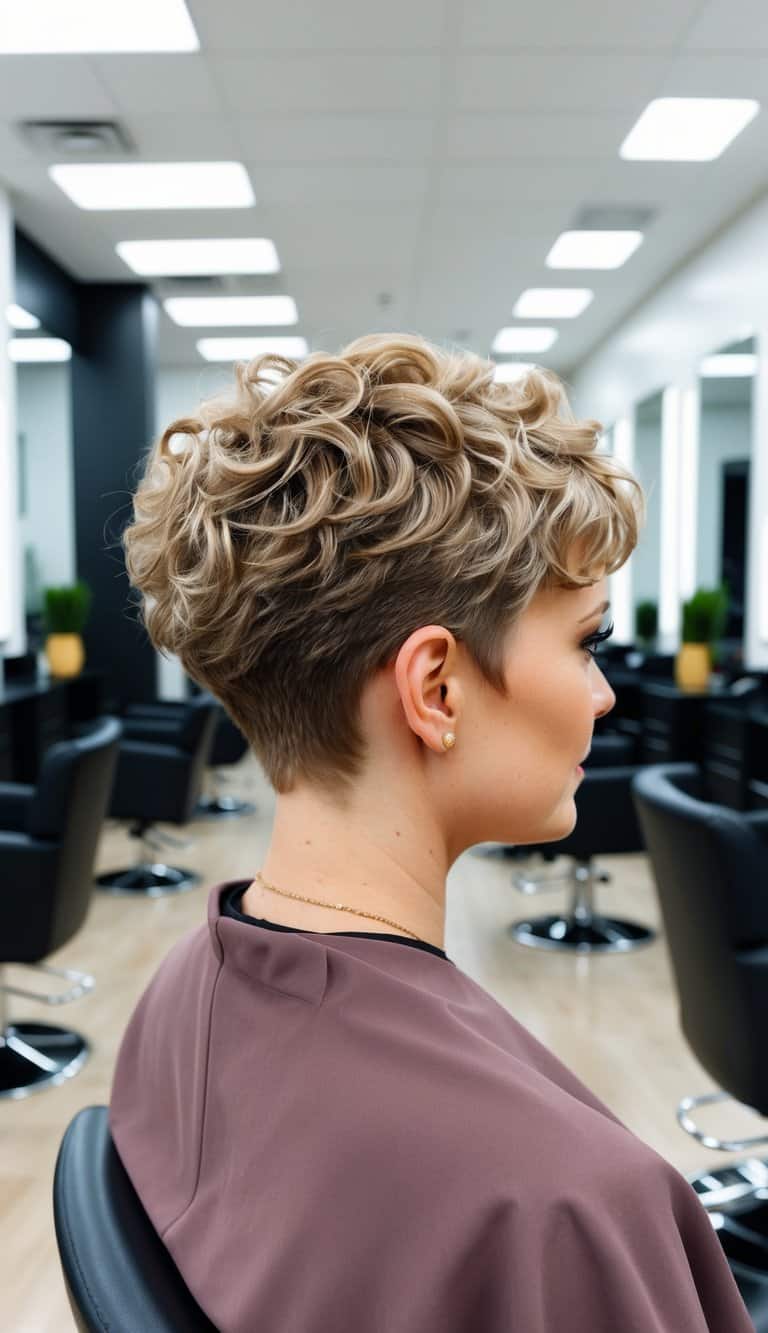
The layered pixie cut uses strategic length graduation throughout the short cut to create volume, movement, and a sculptural quality that a uniform-length crop cannot achieve. The layers are most commonly distributed so that the interior of the cut carries more length than the perimeter, creating a rounded, voluminous silhouette rather than a flat, close-cropped one. The layering also allows the pixie to be styled in multiple directions — swept to one side, pushed back from the face, or arranged in a forward-falling fringe — making the layered pixie one of the most versatile short cuts in the collection.
Best for: Fine to medium hair that needs volume and movement. Most face shapes, with the specific layer distribution adjustable to complement different facial proportions. Those who want styling versatility in a short cut.
Styling tip: A light volumizing mousse applied through damp hair before blow-drying with a round brush creates lift and movement at the layers — the round brush lifts the roots while the mousse holds the resulting volume.
3. Textured Pixie Bob
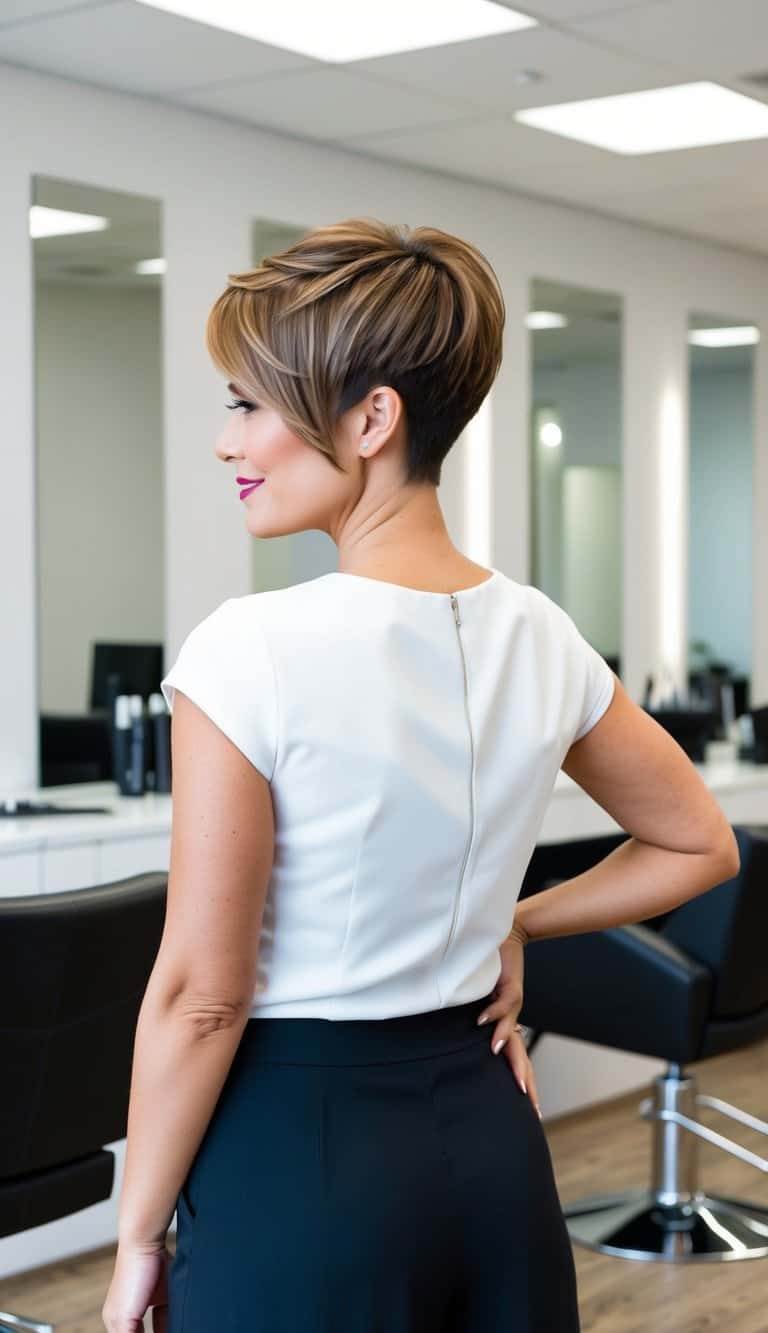
The textured pixie bob occupies the beautiful in-between zone of short haircuts — longer than a traditional pixie but shorter than a conventional bob, with deliberate texturizing throughout the cut that eliminates the bluntness of a standard bob while preserving the body and weight of the length. The texture is created through point cutting, razoring, or twist cutting techniques that add choppy, irregular movement to the ends and throughout the mid-lengths, creating a look that reads as casually cool and effortlessly styled. The pixie bob length — typically landing somewhere between the ear and the jaw — is particularly flattering for most face shapes.
Best for: Most face shapes and hair textures. Those transitioning between a pixie and a bob who want the best qualities of both. Those who want a low-maintenance short cut that still has movement and softness.
Styling tip: A texturizing paste or wax worked through dry hair with fingertips creates the lived-in, effortless quality that makes the textured pixie bob most appealing — avoid brushing, which eliminates the deliberate texture.
4. Messy Pixie Shag
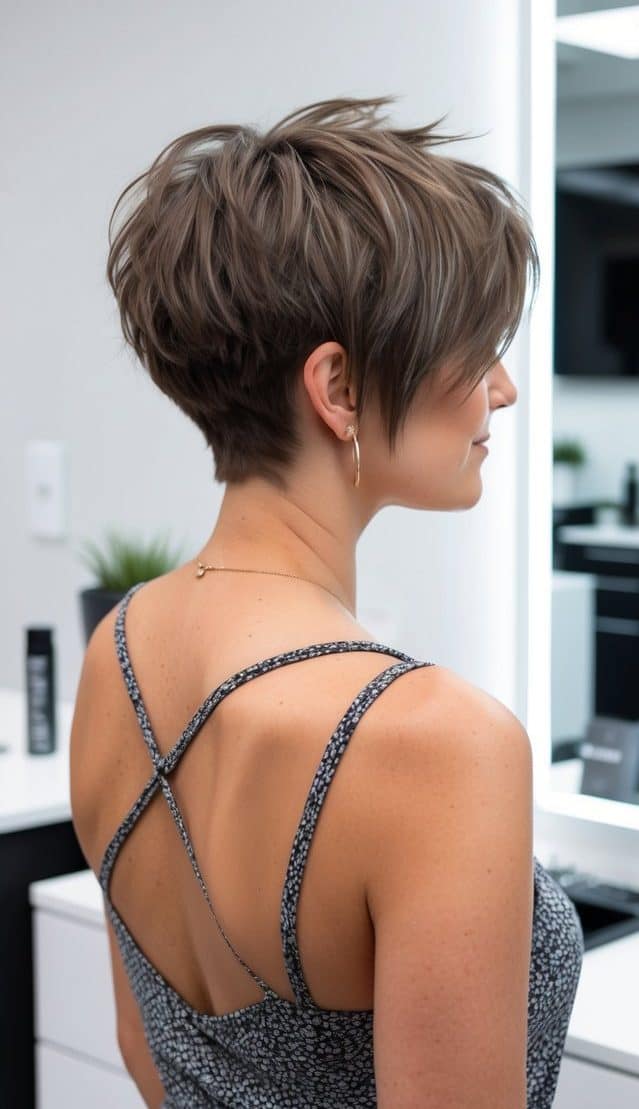
The messy pixie shag brings the layered, textured quality of the shag haircut into the short pixie length, creating a cut with heavy layering throughout, curtain or wispy bangs at the front, and a deliberately disheveled, rock-and-roll quality at the lengths. The shag’s signature layers create multiple zones of different length within the overall short cut, producing a complex, visually interesting silhouette that reads as genuinely artful rather than merely short. The messy quality is intentional — the cut is designed to look effortlessly undone, with the internal architecture of the layers doing the styling work so minimal product is needed.
Best for: Fine to medium hair that benefits from the volume created by heavy layering. Those who want a short cut with strong vintage or rock-and-roll references. Most face shapes, with curtain bangs softening the forehead.
Styling tip: Finger-comb through damp hair and allow to air dry for the most authentic messy shag quality — heat styling creates too much control and smoothness, working against the deliberate dishevelment that defines this cut.
5. Voluminous Pixie

The voluminous pixie deliberately maximizes height and fullness at the crown of the head, creating a short cut with a dramatic, architecturally ambitious silhouette. The volume is typically concentrated at the top — either swept upward into a high pompadour-style peak, or blown out and styled forward into a full, rounded crown — while the sides and back are kept shorter and closer to the head, creating the proportional contrast that makes the crown volume most impactful. This is the pixie for those who want their short cut to make a statement of bold, sculptural hair presence.
Best for: Fine to medium hair that benefits from volume-building techniques. Oval and oblong face shapes where the additional crown height is proportionally flattering. Those who want maximum visual impact from their short cut.
Styling tip: A strong-hold volumizing spray at the roots, followed by blow-drying with a round brush while lifting the crown sections, builds the structural height — finish with a light pomade at the very top to maintain the sculpted quality.
6. Asymmetrical Pixie
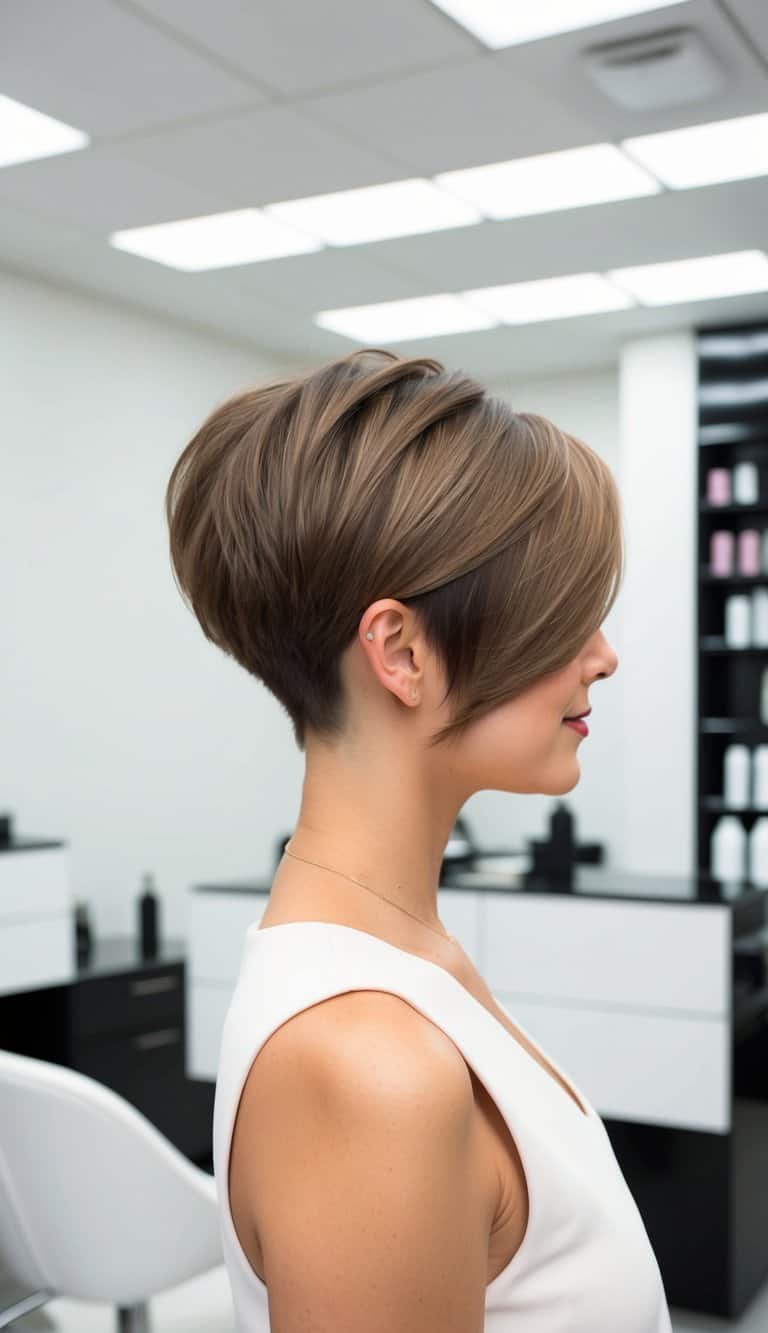
The asymmetrical pixie introduces deliberate imbalance into the short cut — one side of the hair is cut significantly shorter than the other, creating a length differential that’s immediately visible and intentionally dramatic. The asymmetry can be subtle (a slightly longer side sweep on one side) or extreme (nearly undercut on one side, with a long sweeping piece on the other), with the degree of drama entirely dependent on the individual’s preferences. The asymmetrical pixie is one of the most distinctly graphic and fashion-forward interpretations of the short cut, immediately readable as a deliberate artistic choice rather than a conventional haircut.
Best for: Most hair textures and face shapes — the asymmetry itself is so distinctive that it works across many profiles. Those with a strong fashion sense and comfort with an unconventional, eye-catching cut.
Styling tip: The asymmetrical quality should be emphasized in styling — directing the longer side over one eye or sweeping it dramatically to the side enhances the intentional imbalance that makes this cut most striking.
7. Classic Pixie
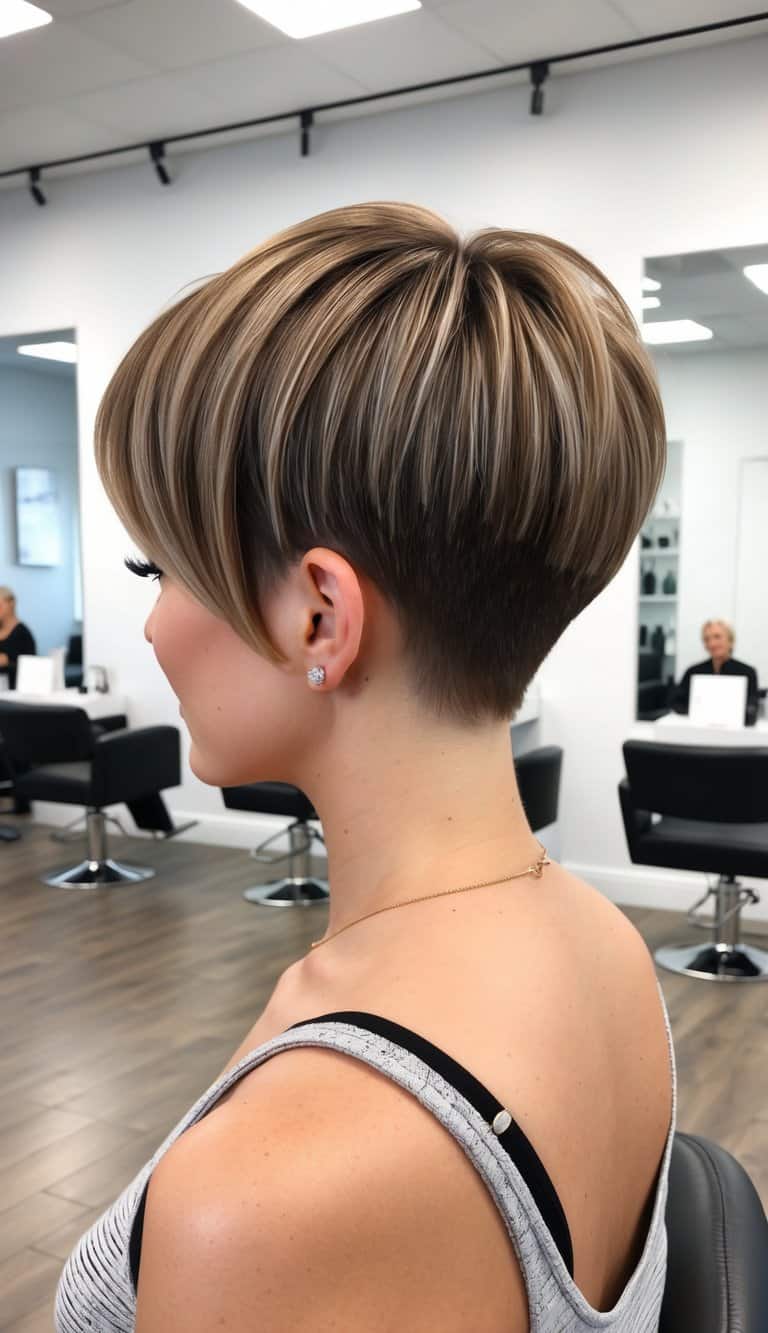
The classic pixie returns to the timeless form that defined the short cut when Audrey Hepburn and Jean Seberg brought it to mainstream attention in the late 1950s — short and close at the sides and back, with a slightly longer crown that can be swept to one side or styled forward into a delicate fringe. The classic pixie is the most elegant and refined interpretation of the short cut, free of the extreme texturing, dramatic asymmetry, or edgy additions that characterize other entries in the collection. Its simplicity is its strength: a perfectly executed classic pixie requires only exceptional cutting technique and a high-quality finish.
Best for: Most face shapes, particularly oval faces where the classic pixie’s balanced proportions are most complementary. All hair textures, with the appropriate finishing products adjusted for each. Those who want a short cut with enduring style rather than trend-specific edge.
Styling tip: A small amount of pomade or light wax applied to completely dry hair and combed through with a fine-tooth comb creates the polished, refined quality that defines the classic pixie at its best.
8. Pixie with Soft Curls
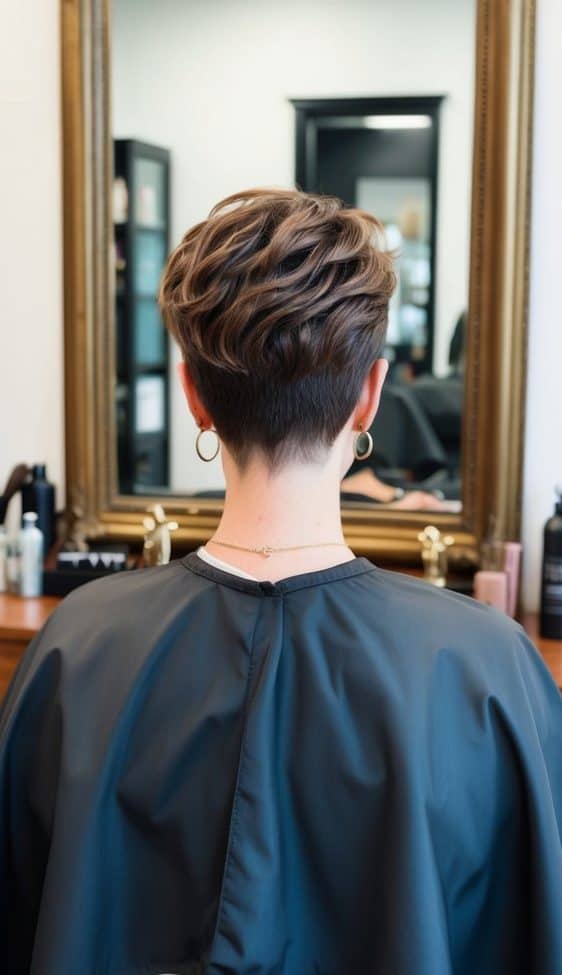
The pixie with soft curls transforms the short cut into something romantic and feminine — the soft curls create a halo of gentle movement around the face that reads as delicate and graceful rather than structured or edgy. Unlike the more defined curly pixie, the soft curl quality here is intentionally loose and wave-adjacent, creating a look that’s somewhere between a curl and a wave and that works beautifully on naturally wavy hair encouraged into fuller curls or straight hair that’s been softly permed or set with rollers. The softness of the curls at pixie length creates a particularly charming, vintage-romantic quality.
Best for: Naturally wavy or lightly curly hair. Round and heart face shapes where the softness of the curls around the face is most flattering. Those who want a short cut with a romantic, soft quality.
Styling tip: A lightweight curl mousse applied to damp hair, scrunched gently, and allowed to air dry creates the soft, romantic curl quality — or use a 1-inch curling iron on dry hair for a few minutes to create soft, face-framing waves on straight hair.
9. Tousled Pixie Cut
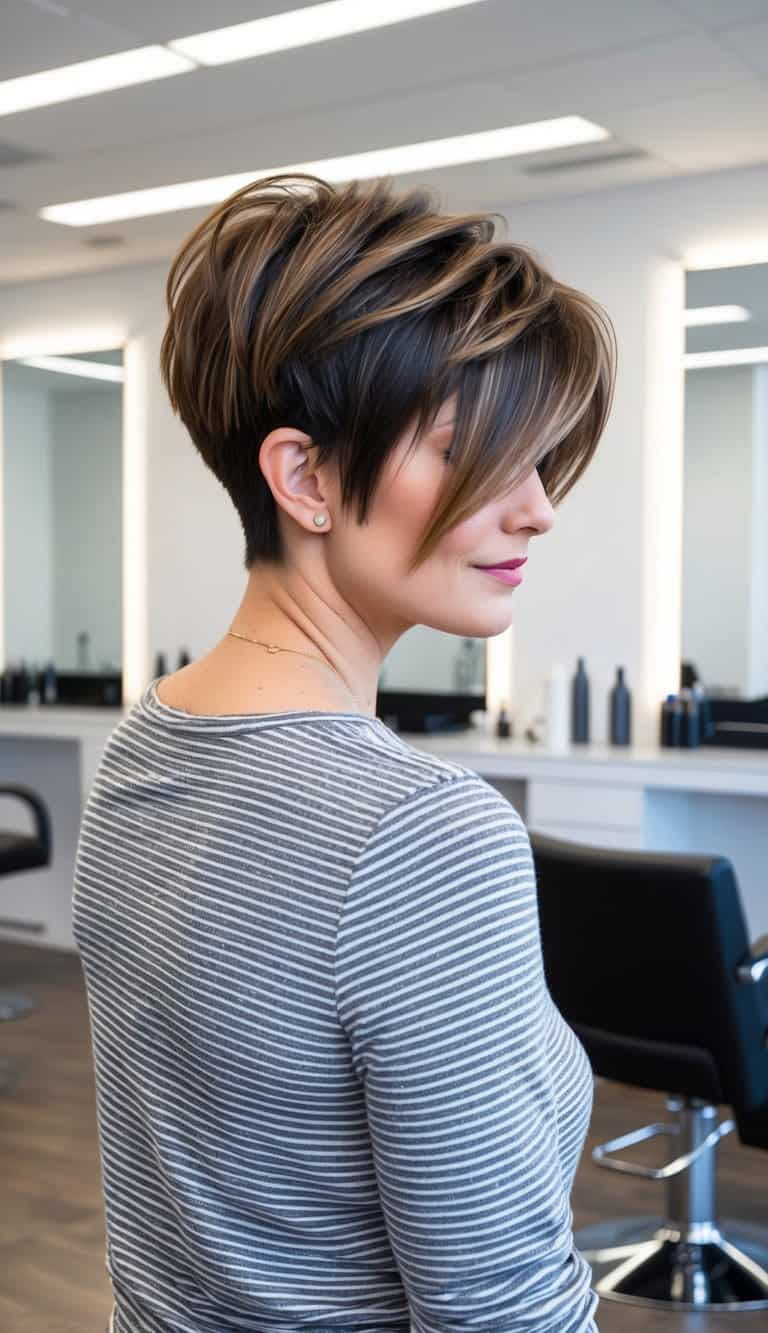
The tousled pixie cut achieves the artful, just-got-out-of-bed quality that many spend significant styling time attempting to recreate — the hair at the crown is deliberately ruffled, irregular, and multi-directional, creating a disheveled beauty that reads as effortless. The tousled quality works particularly well at pixie length because the shorter sections are naturally more resistant to lying flat, meaning a small amount of product and minimal styling creates the perfectly imperfect result. This is the short cut for those who prefer a relaxed, natural-looking style over a polished or structured one.
Best for: Medium to thick hair that naturally holds a tousled shape. Most face shapes. Those who want minimal daily styling with a consistently good-looking result.
Styling tip: Apply a salt spray or texturizing spray to damp hair, then scrunch and leave to dry naturally — the result should look as though the hair has simply fallen perfectly into place without any intentional styling effort.
10. Pixie with Side Undercut
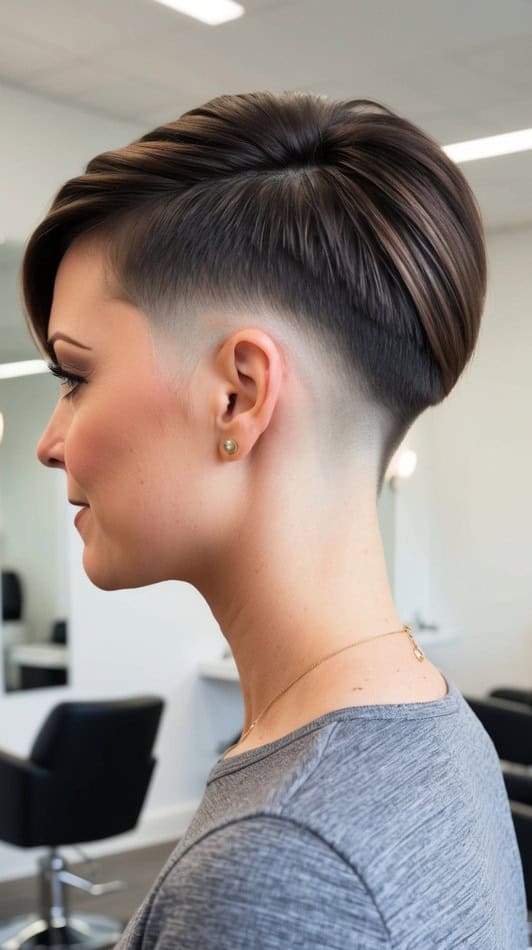
The pixie with side undercut adds an edgy, architectural element to the short cut — the hair on one or both sides is clipped to an extremely short, velvety length using clippers, creating a high-contrast difference between the short undercut sides and the longer, more styled top. The undercut can be concealed when the top hair is worn down over it or revealed by slicking the top hair back or to one side, making this a cut with significant styling versatility and a genuinely dual personality. The combination of undercut and pixie creates a cut that’s equally at home in a professional setting (concealed) or a more fashion-forward one (revealed).
Best for: Those who want an edgy, fashion-forward pixie with maximum versatility. Most face shapes. Those comfortable with the regular maintenance that close-clipped sides require (every 3–4 weeks).
Styling tip: Pomade or a strong-hold product on the top sections, smoothed or swept to one side, best reveals the undercut below — or a light texturizing spray left unstyled conceals it within a natural-looking tousled top.
11. Wispy Bangs Pixie
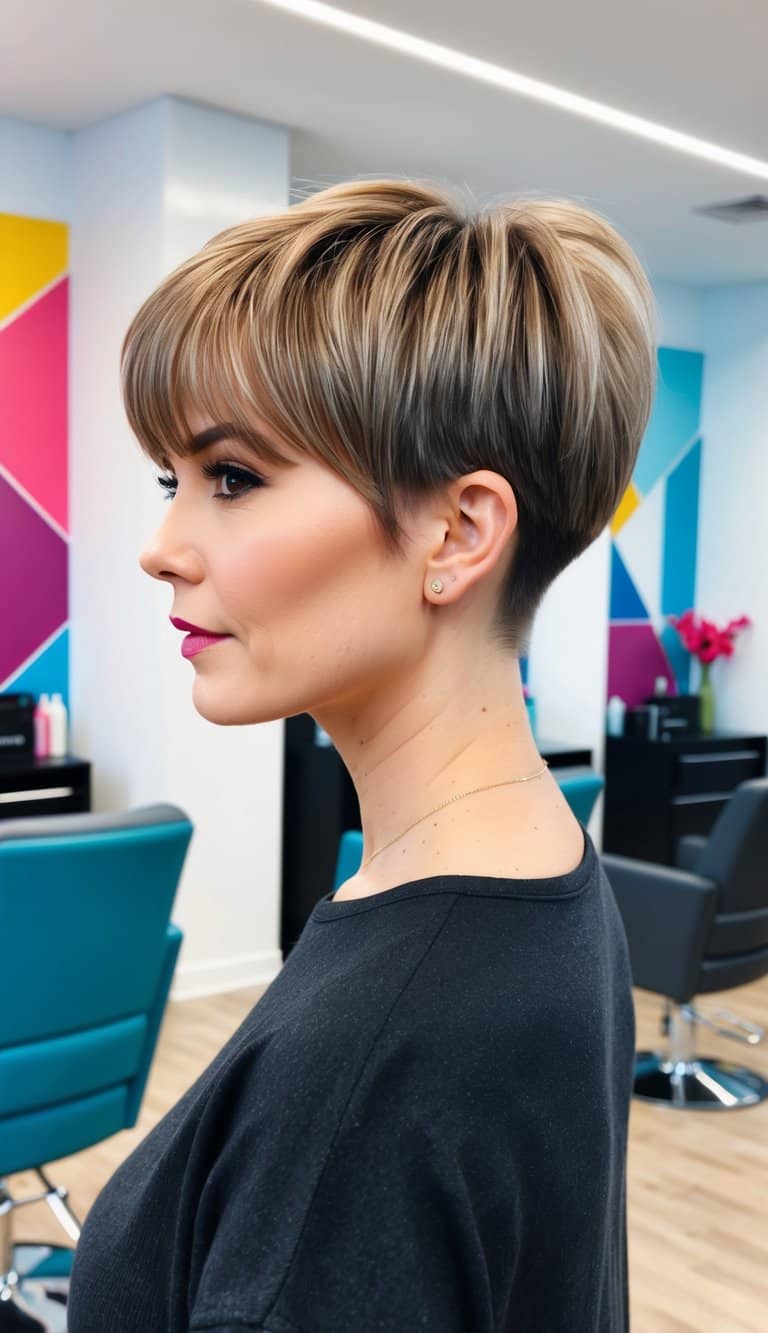
The wispy bangs pixie adds a delicate, feathery fringe across the forehead that immediately softens the sometimes austere effect of a very short cut — the wispiness of the bangs means they’re not a heavy, blunt fringe but rather a light, barely-there curtain of short hair that allows the forehead to show through in places. The pixie with wispy bangs is one of the most approachable and flattering short cut options for those who find conventional pixies too severe, as the wispy fringe bridges the gap between the face and the shortness of the cut. The wispy quality also makes the bangs extremely low-maintenance — they grow out gracefully rather than suddenly looking too long.
Best for: Fine hair where wispy bangs lay naturally flat and delicately. High foreheads that benefit from the softening coverage of a light fringe. Those who want a soft, feminine pixie with face-framing detail.
Styling tip: Point-cut the bangs with scissors held vertically to create the wispy, feathery ends — never cut straight across, which creates the blunt, heavy quality that’s the opposite of this look.
12. Short Pixie with Highlights
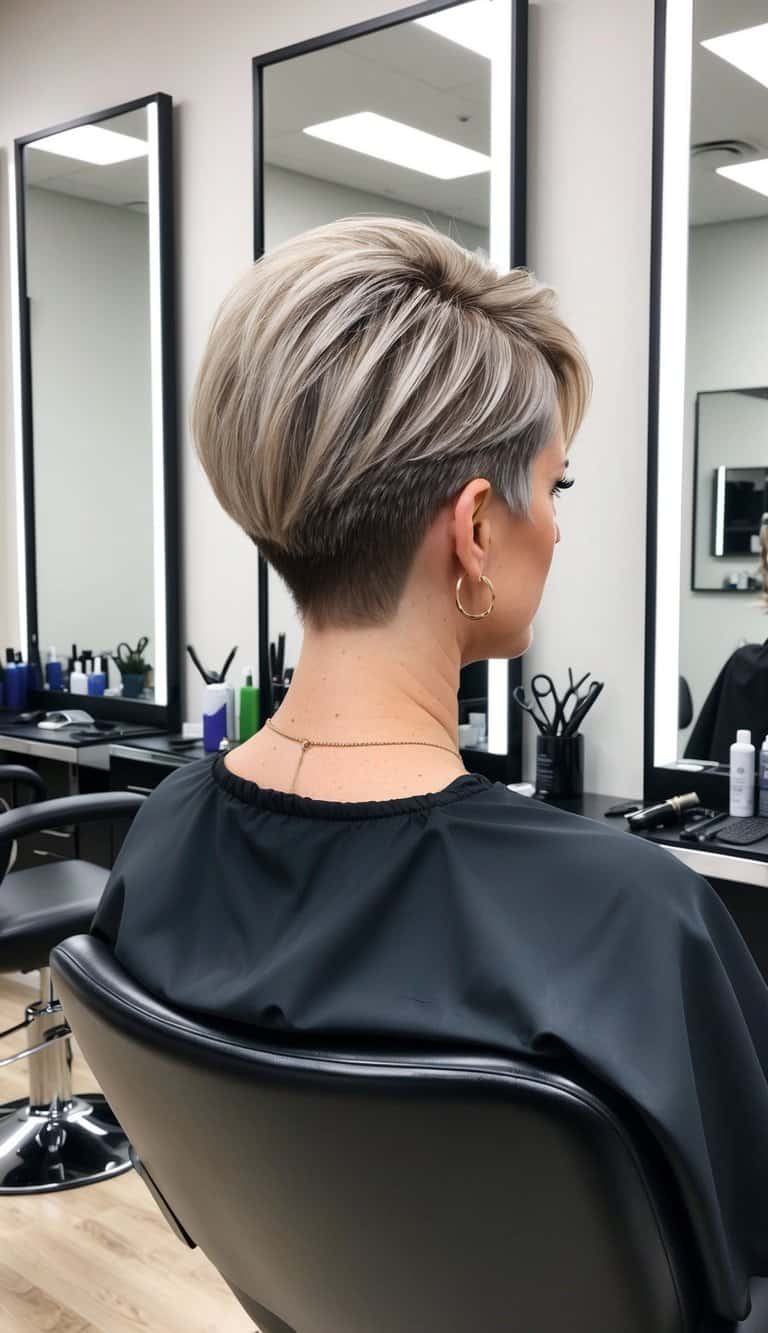
Highlights in a short pixie create a dimensional, light-catching quality that transforms what could be a flat, monochromatic short cut into something complex and visually interesting. At pixie length, highlights are even more visible and impactful than in longer hair — every highlighted strand is clearly defined and on display, creating a mosaic of color that shifts and catches the light with every movement of the head. The highlights can be subtle (a single shade lighter than the base) or dramatic (blonde sections in a dark brunette pixie), depending on the degree of contrast desired.
Best for: All base hair colors. Those who want to add visual interest and dimension to a short cut without changing the cut itself. Most face shapes and skin tones, with highlight tone customized accordingly.
Color tip: Balayage-style highlights applied freehand to the top and front sections of the pixie create the most natural-looking result — foil highlights in a short pixie can read as too uniform and obvious at this length.
13. Blunt Bangs Pixie
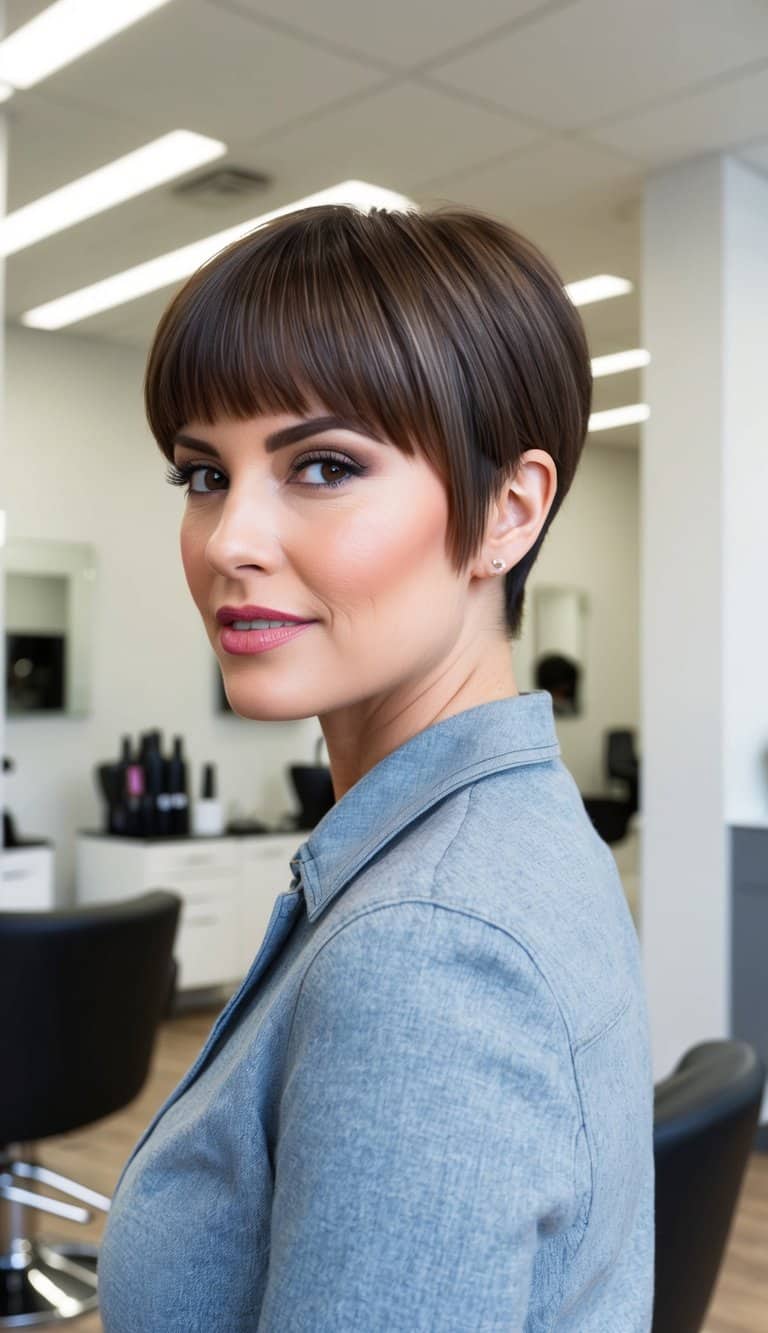
The blunt bangs pixie creates a bold, graphic quality — the heavy, straight-across fringe cut bluntly to mid-forehead creates a strong horizontal line that frames the eyes with unmistakable intention. Combined with the short length of the pixie sides and back, the blunt bang creates an overall geometric aesthetic that reads as genuinely artistic and fashion-forward. The blunt bang pixie is particularly associated with avant-garde and editorial hair aesthetics, having been a staple of fashion weeks and high-fashion imagery for decades. It’s the short cut for those who want their hair to make a clear, strong visual statement.
Best for: Heart and oval face shapes where a strong horizontal bang creates proportional balance. Fine hair that lies flat enough for the bang to sit straight and graphic. Those with strong, defined facial features that can hold their own against the bold framing of a heavy fringe.
Styling tip: Blow-dry the bangs downward with a small round brush or flat brush to keep them perfectly straight and even — any curl or deviation from the horizontal line reduces the graphic quality that defines this look.
14. Peek-a-Boo Highlights Pixie

Peek-a-boo highlights in a pixie are placed specifically underneath or within the interior of the cut, so they appear and disappear as the hair moves — the effect is one of hidden color that reveals itself in motion. In a pixie context, peek-a-boo highlights are typically placed at the nape or on the underside of the top sections, so that when the hair is brushed aside or the head is lowered, a flash of contrasting color (often a dramatically different tone from the surface color) becomes visible. This is one of the more playful and surprise-driven color techniques in the pixie world.
Best for: Those who want a color detail that’s not immediately obvious in everyday settings but visible in movement and in certain styling. Most base hair colors — the contrast between surface and hidden color is what creates the peek-a-boo effect. Those who want to add a playful element to their short cut.
Color tip: The greatest visual impact comes from placing the peek-a-boo highlights in a dramatically contrasting tone — a deep brunette with platinum underneath, or a dark red with golden peek-a-boo sections — rather than subtle adjacent tones.
15. Pixie with Tapered Neck
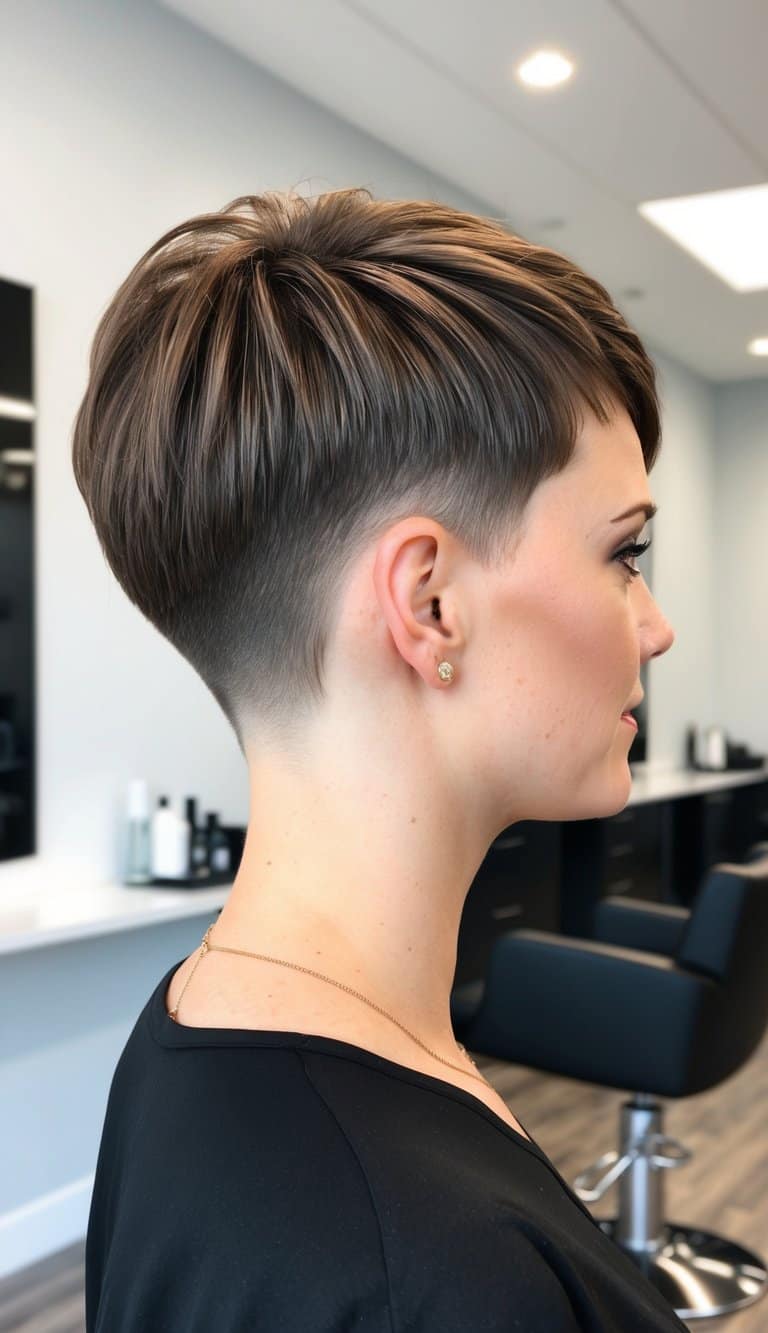
The pixie with tapered neck brings close attention to the nape area, clipping the hair at the very back of the neck to progressively shorter and shorter lengths as it approaches the hairline, creating a crisp, clean fade or taper that exposes the nape with exceptional precision. The tapered neck is as much about the skin as about the hair — the skin at the nape becomes a deliberate design element, the edge of the hairline clean and exactly defined. This technical detail transforms the pixie from a haircut into something closer to a precise grooming statement, adding a polish and exactness that more casual short cuts lack.
Best for: Those with clean, well-defined nape hairlines. Most face and head shapes. Those who appreciate precise, technically detailed cutting and the clean, polished result it produces.
Maintenance tip: A tapered neck requires more frequent maintenance than a standard pixie — the taper looks most intentional and clean within the first 2–3 weeks of cutting, making 4-week appointments rather than 6-week ones ideal for this style.
16. Jet Black Pixie
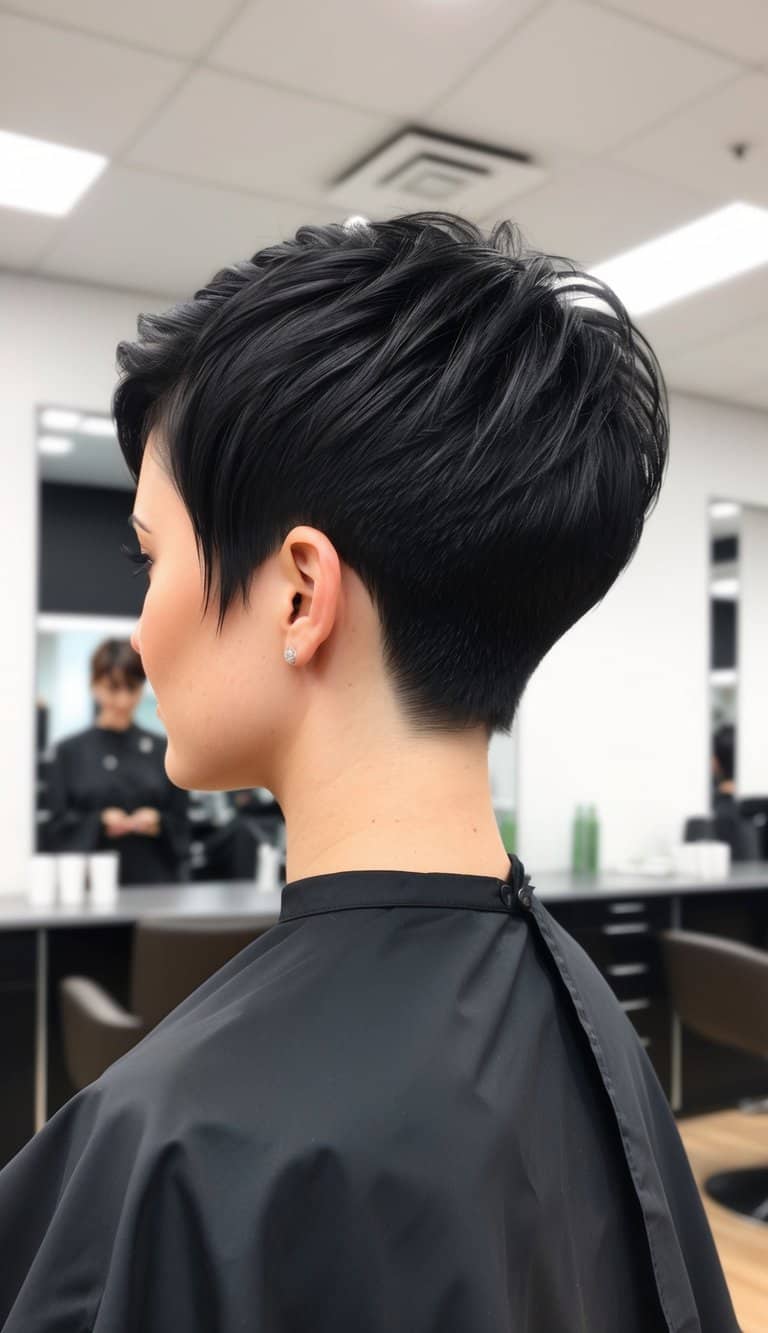
The jet black pixie uses the darkest, most saturated black hair color to create a dramatic, high-impact short cut that reads as bold and intensely graphic. At pixie length, jet black is even more striking than at longer lengths — the color’s high shine and depth are fully on display at every angle, without the distraction of movement or length. The jet black pixie has strong associations with punk, goth, and avant-garde aesthetics, but it’s equally wearable as a classic, sophisticated short cut in any context. The color itself makes the statement; the cut shape matters less than at other color shades.
Best for: Fair to medium skin tones where the contrast between pale skin and jet black hair creates a striking, high-impact look. Those with strong, defined features that can hold their own against such an assertive color. Those who want maximum color intensity in a short cut.
Color tip: Jet black fades significantly faster than most expect — use a black color-depositing conditioner weekly to maintain the depth and intensity of true jet black and prevent the fading to a washed-out dark brown that undermines the look.
17. Icy Blonde Pixie
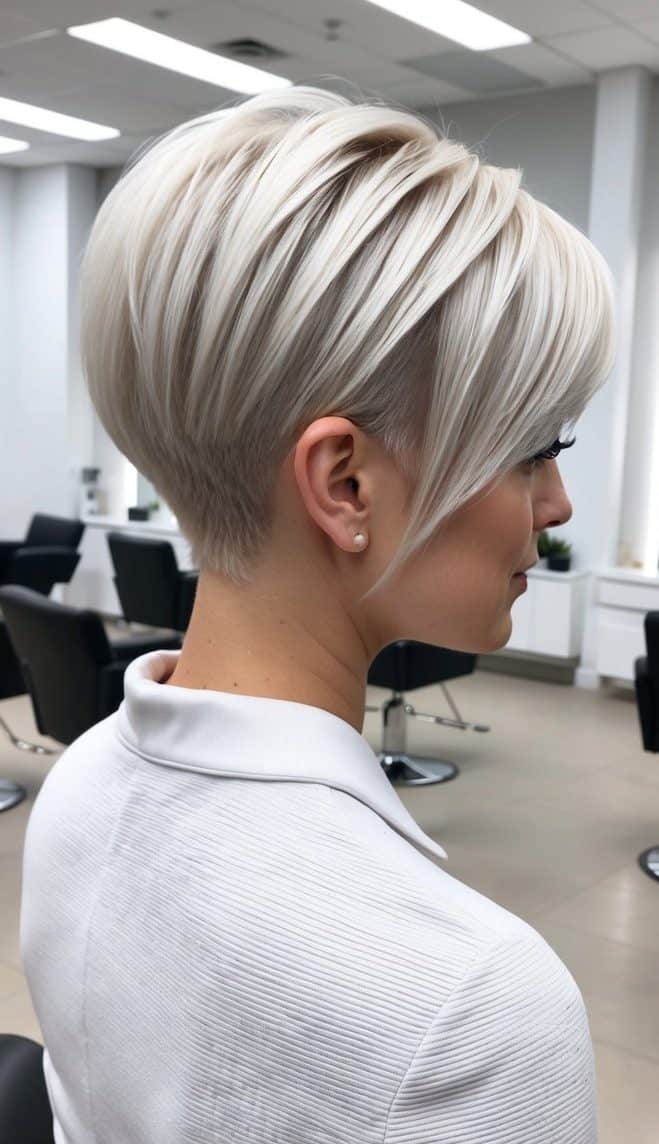
The icy blonde pixie achieves the palest, most platinum-cool blonde possible — the hair is lightened to the maximum possible level and then toned with a violet-based toner to eliminate any remaining warmth, producing a color that reads as almost white with the faintest cool, icy undertone. At pixie length, icy blonde creates a striking, almost otherworldly quality — the pale color against the scalp, the high shine of well-maintained platinum hair, and the precision of the short cut combine to create something genuinely extraordinary. This is one of the most maintenance-intensive looks in the collection but also one of the most visually arresting.
Best for: Very fair skin tones where the icy blonde reads as harmonious and ethereal rather than stark. Those prepared for the significant maintenance icy blonde requires. Most face shapes, with the coolness of the color adding a sculptural, refined quality to the short cut.
Maintenance tip: Purple shampoo twice weekly is non-negotiable for icy blonde maintenance — without it, the warmth returns within weeks and the icy quality is completely lost. Touch-up toning every 6–8 weeks maintains the specific cool tone.
18. Warm Auburn Pixie
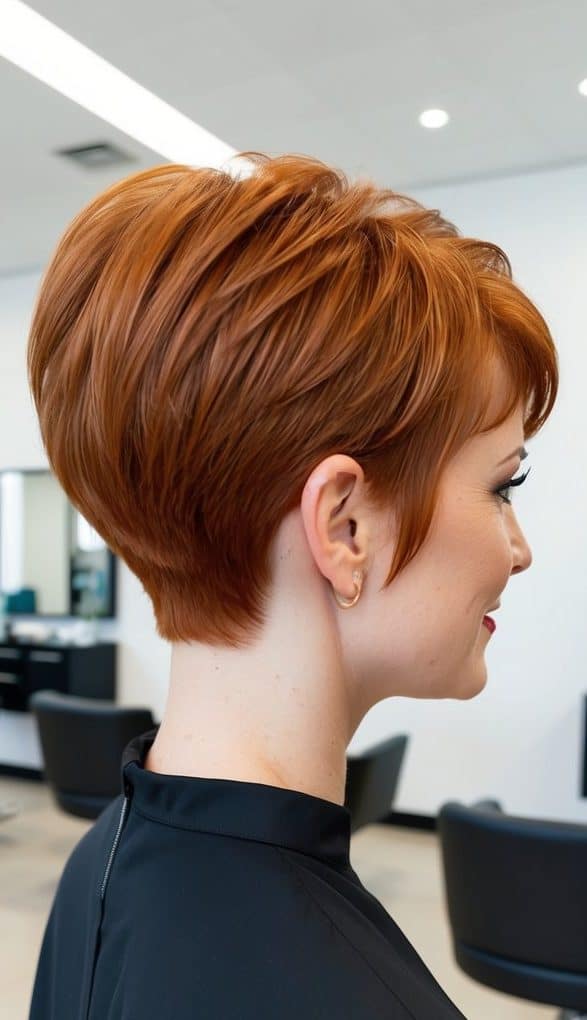
The warm auburn pixie brings rich, red-warm color to the short cut — auburn is the specific shade of reddish-brown that catches fire in sunlight, appearing as warm brown in shade and as glowing copper-red in direct light. At pixie length, the auburn’s light-reflecting quality is fully on display, the short cut ensuring the color is visible from every angle and in every light condition. The warm quality of the auburn flatters warm and golden skin tones particularly well, creating a harmonious color relationship between hair and skin that reads as naturally beautiful and perfectly complementary.
Best for: Warm and golden skin tones. Those with naturally warm brown or reddish hair who want to intensify and deepen their natural color. All face shapes — auburn’s warmth adds a universally flattering quality to the short cut.
Color tip: Auburn at pixie length benefits from a semi-permanent top coat (gloss) applied over the permanent base every 6–8 weeks — the gloss intensifies the red-warm quality and adds the high shine that makes auburn so beautiful at short lengths.
19. Textured and Tapered Pixie

The textured and tapered pixie combines two distinct technical elements — the interior texturing that creates movement and visual interest throughout the length, and the precise taper at the sides and nape that creates clean, precise architectural lines around the perimeter. The combination of organic, irregular texture within a structured, precise external form creates a particularly sophisticated tension that makes this cut read as simultaneously relaxed and polished. The texturing adds personality and movement; the tapering adds precision and elegance — together, they create a short cut of genuine technical complexity.
Best for: Most hair textures, with the texturing technique adjusted to work with each specific texture rather than against it. Most face shapes — the taper at the sides and nape cleanly defines the perimeter while the textured top provides volume. Those who want a short cut that combines casual, lived-in quality with precise, clean edges.
Styling tip: Finger-styling with a small amount of matte paste creates the most sophisticated result — the paste holds the texture in place while the matte finish lets the cut’s technical quality speak for itself without product shine competing.
20. Pixie with Textured Ends
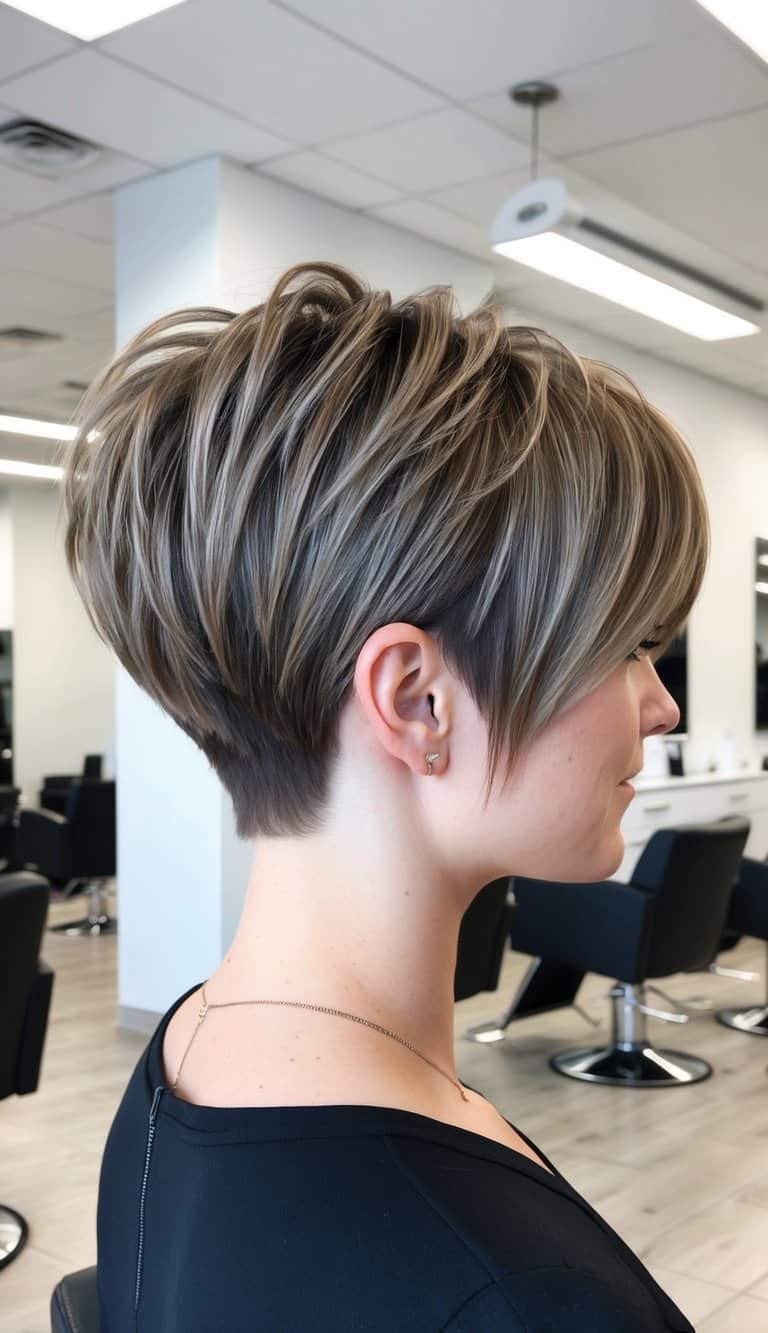
The pixie with textured ends concentrates the cutting technique specifically at the tips of the hair — the ends are point-cut, twist-cut, or razored to create a choppy, irregular quality at the perimeter of the cut while the body of the hair remains relatively smooth and full. At pixie length, textured ends create a particularly delicate, feathery quality at the hairline and perimeter, softening the overall look and giving the cut a less constructed, more organic appearance. This technique is one of the best for softening the transition between hair and skin at the edges of a short cut.
Best for: Fine to medium hair where textured ends add visual interest without reducing weight that the hair needs. Most face shapes. Those who want a soft, organic-feeling short cut with a delicate, feathery quality at the edges.
Styling tip: Work a very small amount of lightweight wax through the dry ends with fingertips, pulling the tips slightly to separate and define them — this enhances the textured end quality without adding product weight that would flatten fine hair.
21. Golden Blonde Pixie

The golden blonde pixie uses a warm, richly golden blonde — specifically the deep, honeyed warmth of golden rather than the pale, cool quality of platinum — to create a short cut that glows with sun-kissed warmth. At pixie length, golden blonde is particularly beautiful because the color’s warmth and radiance are visible from every angle and in every light condition, the short cut ensuring the color is never hidden under layers or length. The golden quality of this specific blonde makes it one of the most universally flattering options for a colored pixie, complementing warm, neutral, and even some cool skin tones more broadly than cooler blonde shades.
Best for: Warm and golden skin tones. Those who want warmth and luminosity in their blonde rather than the coolness of platinum. All face shapes — the warmth of golden blonde adds an approachable, radiant quality to the boldness of a short cut.
Color tip: Request a golden toner at level 8–9 for the richest, warmest golden quality — honey or golden amber formulas create the specific warm depth that distinguishes golden blonde from standard blonde.
22. Pixie with Lengthy Bangs
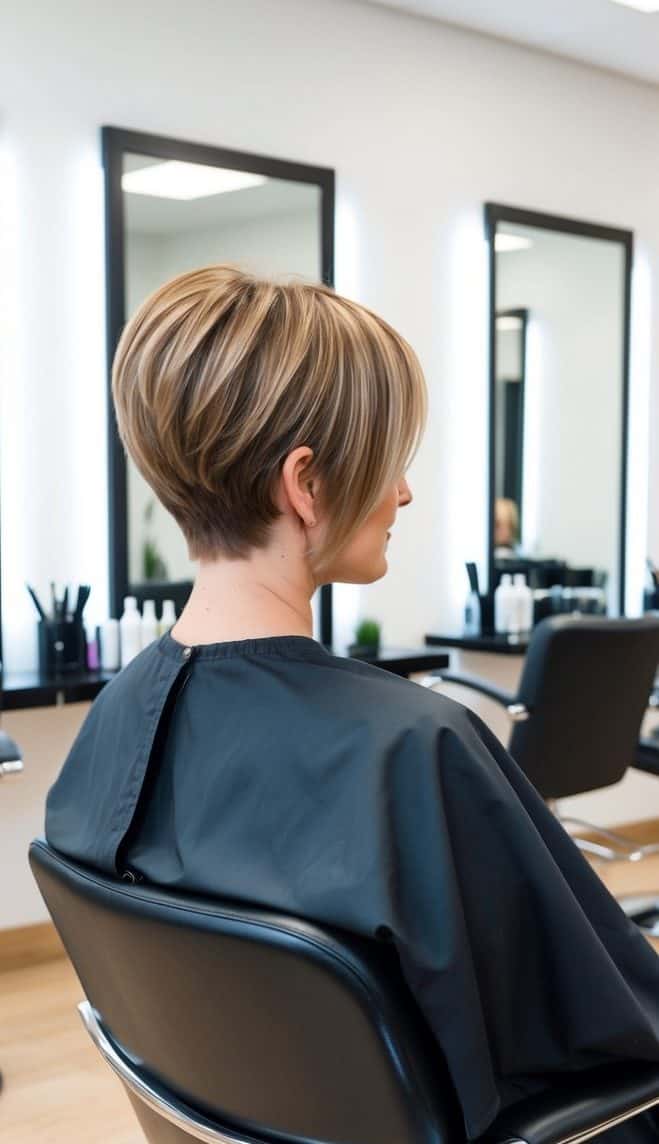
The pixie with lengthy bangs creates a deliberate contrast between the short cut everywhere else and the longer, sweeping bang that falls to or past the eyebrows — often to cheekbone level. The lengthy bang becomes the dominant styling element of the cut, capable of being swept dramatically to one side, styled straight and forward over the brow, or pushed back away from the face on days when the short-crop quality of the cut is preferred. The length of the bang relative to the shortness of everything else creates an interesting tension that makes this one of the more distinctive and versatile entries in the pixie family.
Best for: Most face shapes — the lengthy bang can be directed to frame or cover areas of the face depending on the wearer’s preference. Fine to medium hair where the bang has enough length to drape and move without flopping or clumping. Those who want maximum styling versatility in a short cut.
Styling tip: A small flat iron or medium-barrel curling iron on the lengthy bang section creates directional control and smooth movement — style the bang while it’s still warm and hold it in place for a moment to set the direction before releasing.
23. Tousled Pixie Bob
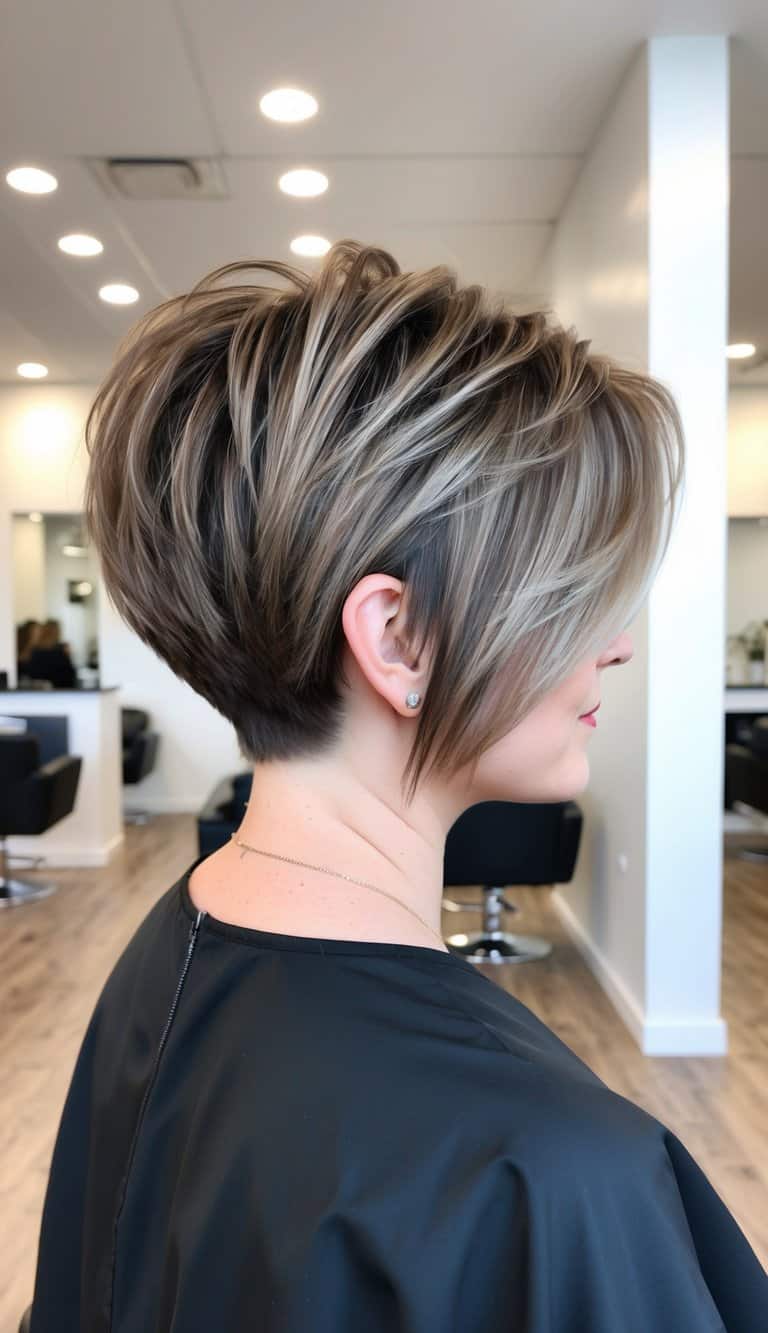
The tousled pixie bob closes the collection with one of the most wearable and universally appealing short cut interpretations — the pixie-bob length (between ear and jaw) combined with deliberate tousling throughout creates a look that’s casual, effortlessly stylish, and flattering across a very wide range of face shapes, hair textures, and personal styles. The tousled quality means the cut doesn’t require precise daily styling to look intentional — the deliberate informality of the tousle is the style itself, requiring minimal product and time to achieve a consistently excellent result. For those dipping their toes into the world of short cuts, the tousled pixie bob is one of the most encouraging starting points.
Best for: Most face shapes and hair textures. Those who want a short cut that requires minimal daily maintenance. Those transitioning from longer hair who want to explore shortness without committing to a very close crop.
Styling tip: Wash, apply a dime-sized amount of lightweight texturizing cream, scrunch, and air dry for the most authentic tousled quality — or apply the cream to dry hair and rake through with fingers for an instant refresh on non-wash days.
How to Choose Your Pixie Cut
- Consider your face shape: Round faces benefit from pixies with height at the crown and close sides. Oval faces suit almost any pixie variation. Heart faces look beautiful with soft, wispy bangs. Square faces suit layered, textured styles that soften angular jawlines.
- Know your hair texture: Fine hair benefits from close-cropped, layered pixies that maximize volume through proportion. Thick hair suits textured, razored styles that reduce bulk. Wavy and curly hair creates natural volume and texture that works beautifully in curly and tousled pixie interpretations.
- Think about maintenance commitment: Classic and tapered pixies require more frequent trims (4–5 weeks) to maintain their precise shape. Textured, tousled, and messy shag styles grow out more gracefully between appointments (6–8 weeks).
- Consider your lifestyle: Pixie cuts are exceptionally practical for active lifestyles — quick to wash, quick to dry, and easy to style even under time pressure. The high-maintenance versions (jet black, icy blonde, undercut) require color upkeep that longer styles absorb more forgivingly.
Frequently Asked Questions
Will a pixie cut suit my face shape?
The idea that pixie cuts only suit certain face shapes is largely a myth perpetuated by overly cautious styling advice — the reality is that with the right specific variation, a pixie cut can be designed to flatter every face shape. The key is working with a skilled stylist to customize the specific elements of the cut (bang length and density, crown volume, side length, taper or no taper) to complement individual facial proportions rather than treating the pixie as a single, fixed style.
How long does a pixie cut take to grow out?
Growing a pixie to a short bob takes approximately 6–12 months, depending on individual growth rate (typically 1/2 inch per month) and the starting length of the pixie. The notoriously awkward in-between phase (approximately month 3–6) can be managed with strategic trims that keep the neck and sides clean while preserving the top length, and with accessories like headbands and clips that manage the in-between lengths attractively.
How often should I trim my pixie cut?
Most pixie cuts require trimming every 4–6 weeks to maintain their intended shape. Precise, structured pixies (classic, tapered neck, blunt bangs) lose their shape quickly and need the shorter end of that range. Textured, tousled, and organic-looking pixies are more forgiving and can stretch toward the 6–8 week mark before the shape becomes unclear.
Final Thoughts
The pixie cut’s enduring appeal — across decades, across aesthetics, across hair textures and face shapes — lies in its fundamental honesty: it shows everything, hides nothing, and asks the wearer to be fully present in their own appearance. That exposure can feel daunting before the cut, but almost universally liberating after it. The 23 ideas in this collection demonstrate that within that basic commitment to shortness, the range of creative expression is extraordinary.
Whether the goal is the classic elegance of a refined crop, the rock-and-roll energy of a messy pixie shag, the romantic softness of a curly pixie with bangs, or the bold drama of an icy blonde or jet black statement, there is a pixie cut here for every vision, every face, and every lifestyle. The cut that seemed daunting in the imagination often becomes the one that’s hardest to give up once worn.


